Provence Guide: Luberon Villages, Lavender & Markets

There is a particular quality of light in Provence that painters have spent two centuries trying to put on canvas. It is soft in the morning, almost white at midday, and by late afternoon takes on the warm, low gold that turns every village wall the colour of butter and every cypress into a long, slim shadow. Cézanne pursued it from his studio above Aix-en-Provence; Van Gogh chased it through the wheat fields of Saint-Rémy and the cafés of Arles; and Peter Mayle, arriving in Ménerbes in the late 1980s, produced a destination-defining memoir.

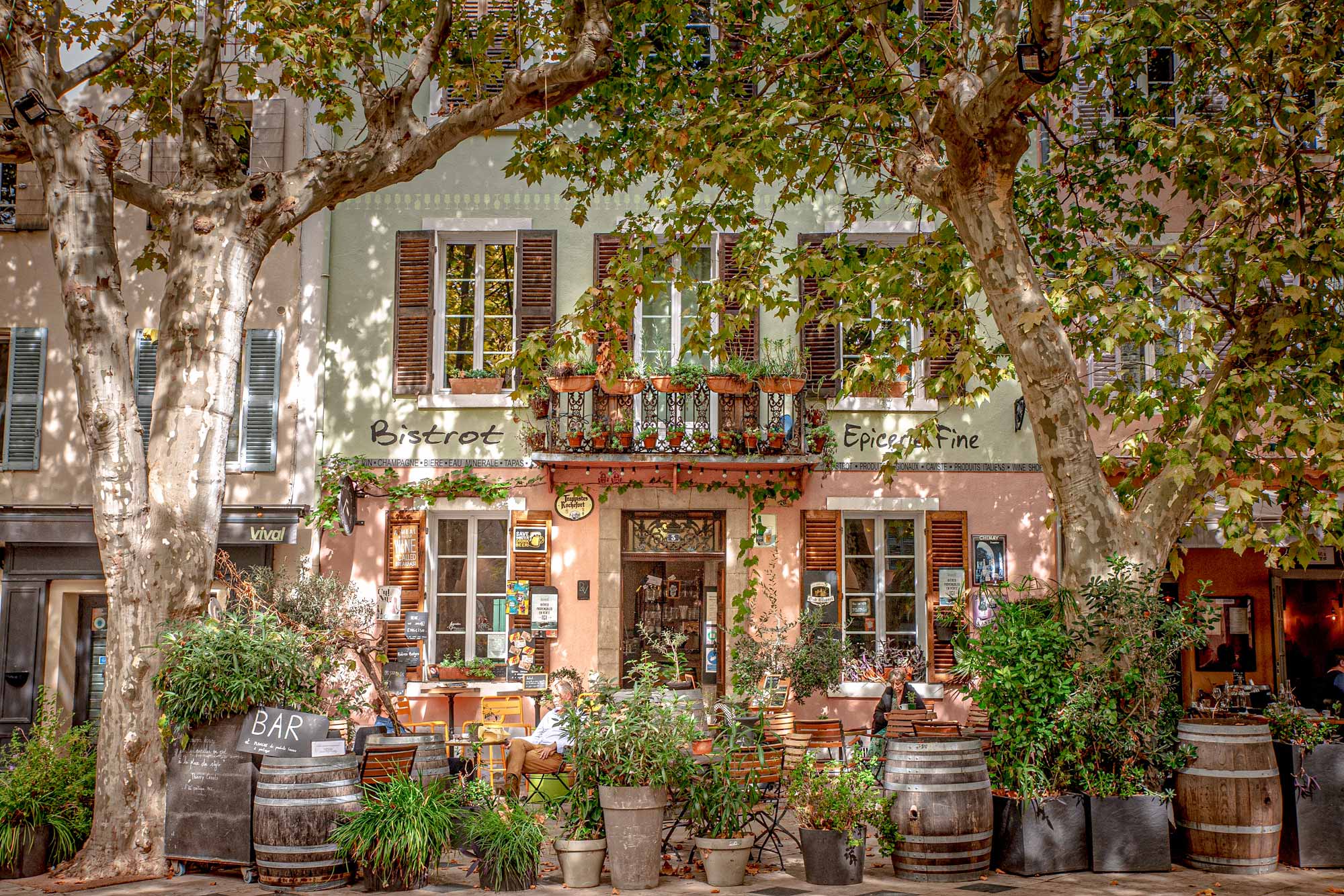
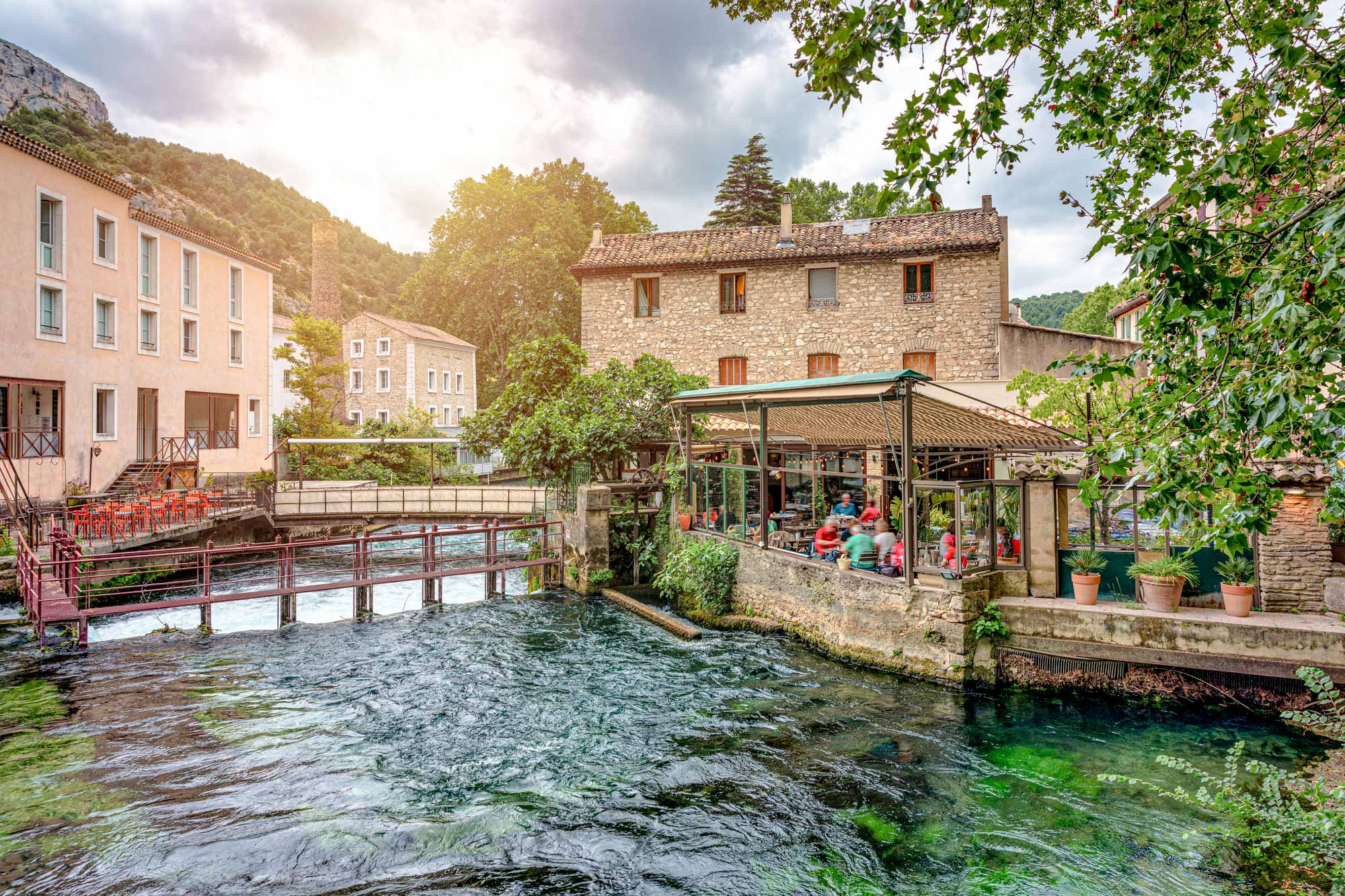
Provence certainly feels like the kind of place you want to explore slowly. The day starts simply; breakfast with a view while lunches tend to be more of a longer affair. Wherever you go in Provence, you’ll encounter good French food, accompanied by a chilled bottle of rosé. Afternoons might be spent in the cool of a vaulted abbey, or a slow swim in the green water of a river. Evenings build gently, an aperitif at the kitchen door, dinner on the terrace, the lavender giving up its scent to the cooling air.
A LANDSCAPE OF LAVENDER, STONE AND CYPRESS

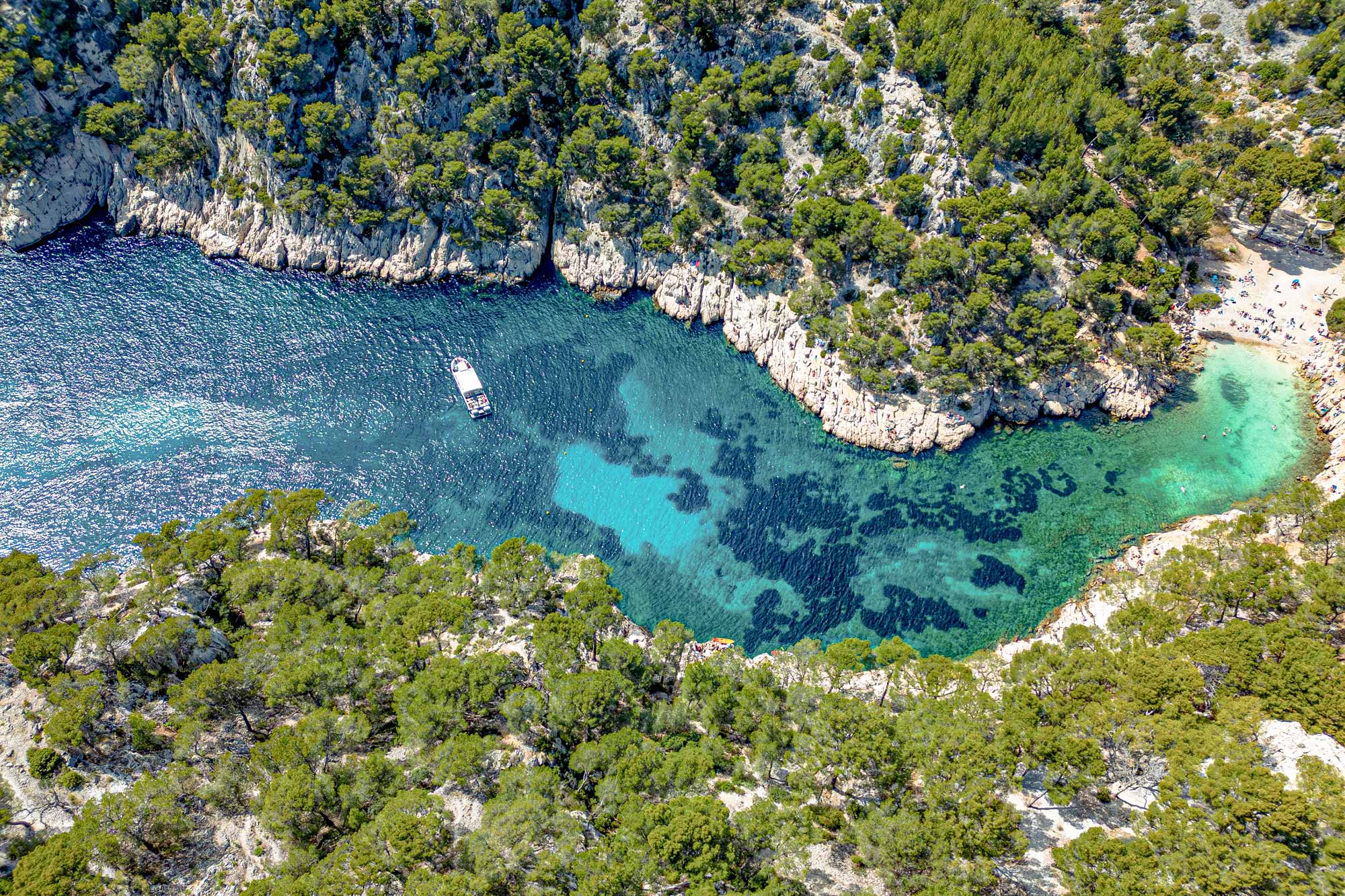
To the west of Provence, the wide, watery flatness of the Camargue gives way to the limestone teeth of Les Alpilles, the small, jagged range that runs east from Saint-Rémy-de-Provence. North of that, the country lifts into the Luberon, a long, wooded massif of ochre and pale stone, declared a Parc Naturel Régional in 1977 and now a protected biosphere stretching some 75 kilometres from Cavaillon eastward toward Forcalquier. East again, the land rises into the high plateaux of Valensole and Sault, then breaks apart into the deep blue-green chasm of the Gorges du Verdon. To the south, vineyards run down to the sea around Bandol and Cassis.

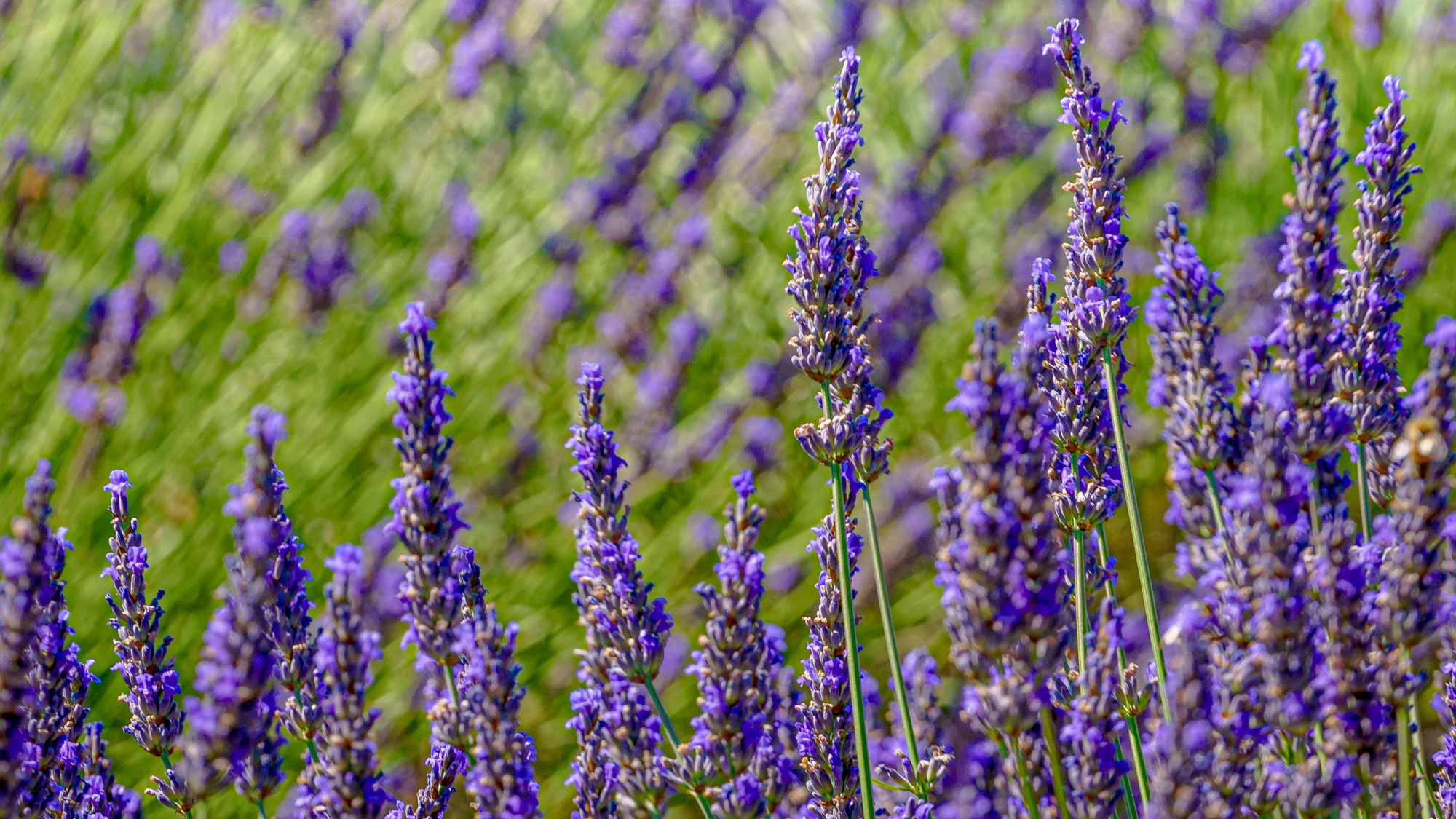
Olive groves run in silver-green rows; vines turn the lower slopes corduroy; cypresses stand like exclamation marks against the sky; and from mid-June to mid-August the lavender fields take their turn. On the lower Valensole plateau the bloom begins in the second half of June and is generally harvested around 15th July; up at Sault, where the altitude is higher and the air cooler, the flower opens later and lingers into the middle of August. The Cistercian Abbaye de Sénanque, founded in 1148 in a fold of the Luberon below Gordes, frames its lavender beds against 12th-century stone for a few short weeks each summer, and is among the most photographed sights in France. It is also, it should be said, a working monastery, best approached quietly, and early.

THE HILLTOP VILLAGES OF THE LUBERON

At the heart of any Provençal week is a slow circuit of the Luberon villages, a half-dozen of which sit close enough together to be linked by a morning’s drive and an afternoon’s wander. Gordes is the most photographed: a tall, tiered village of pale limestone houses that seem to grow directly out of the cliff beneath them, with art galleries, small boutiques and one of the most spectacular approach views in southern France. A few kilometres east, Roussillon is something else entirely, a village built from the red, yellow and orange ochre of the cliffs it stands on, and a marked path through the old ochre quarries lets you walk among the colours themselves.

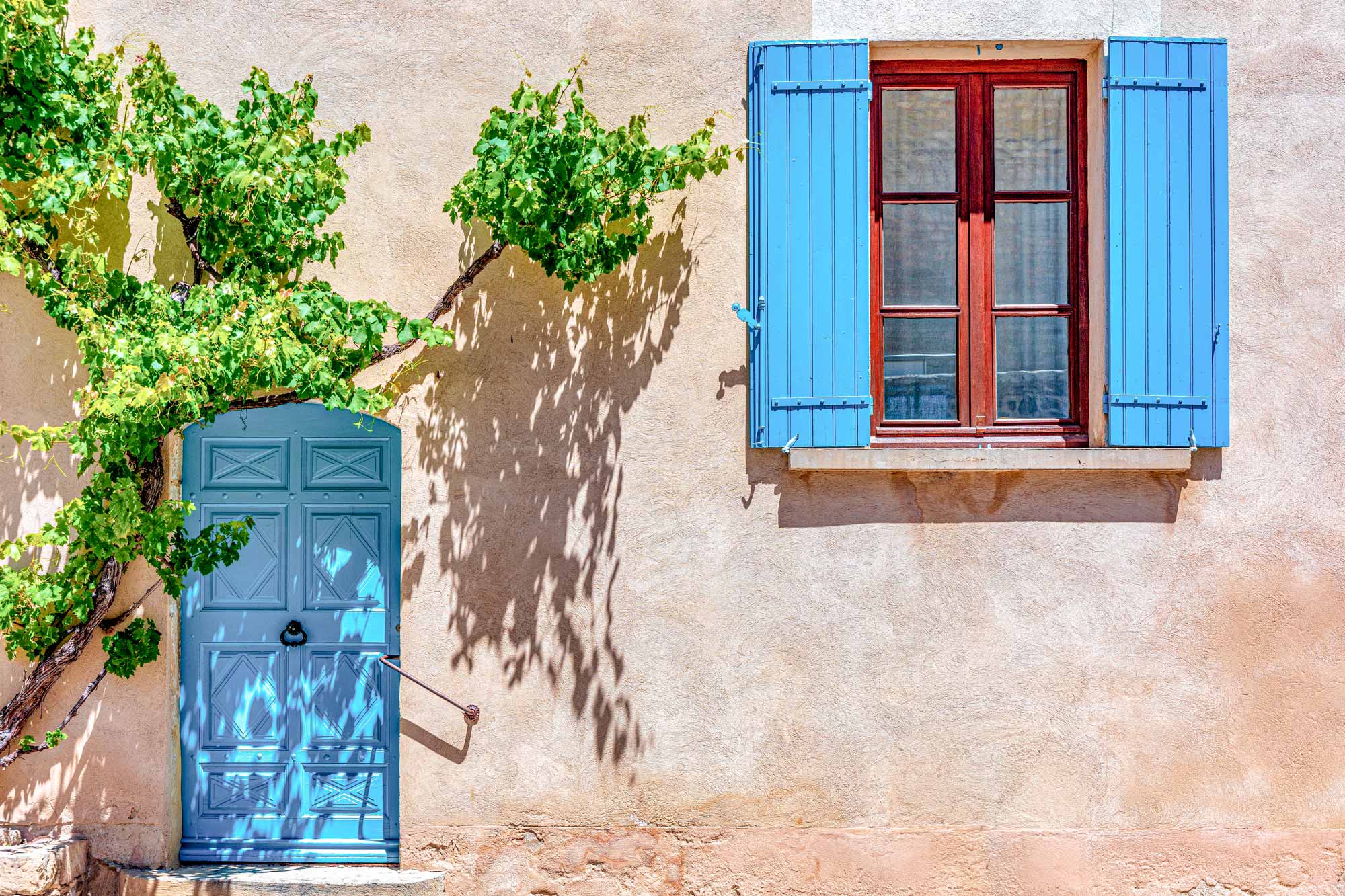
A little further south, three villages sit in a near-perfect line along the Luberon’s north flank. Ménerbes, classed among Les Plus Beaux Villages de France, and the village that Peter Mayle made famous in A Year in Provence in 1989, is the most discreet of the three, a long, narrow ridge of honey-coloured houses with views in every direction. Bonnieux tumbles down a steep hillside in tiers, crowned by a 12th-century church reached by a long flight of stone steps and rewarding the climb with one of the great Luberon panoramas. And Lacoste, perched on the opposite slope and overlooked by the ruined château of the Marquis de Sade, has a slightly quieter atmosphere, and feels, by night, almost frozen in time.

Further afield, Lourmarin on the southern flank of the massif is the most sociable of the Luberon villages, a leafy, café-lined place with a Renaissance château, a Friday market that draws half the region, and, in summer, an organic evening market that runs until well after sunset. Albert Camus is buried in its small cemetery, and the village still wears its literary associations well.

THE RHYTHM OF THE WEEKLY MARKETS

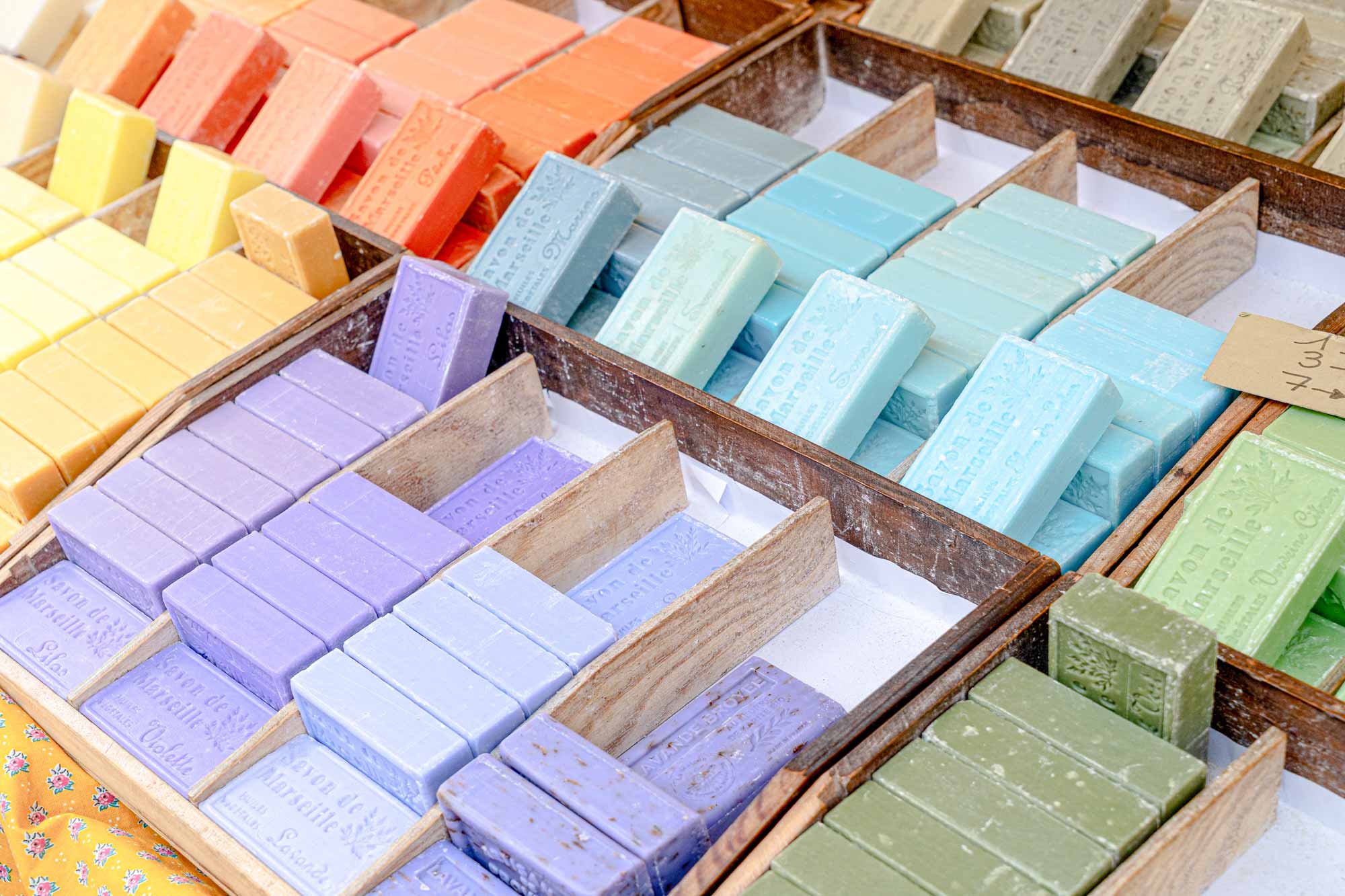
No part of life in Provence runs deeper than its markets. Each village has its day, presenting a local showcase of local life from sheafs of fresh baguettes, arrays of olives to mounds of ripe apricots, local cured meats and cheeses.

Tuesday morning belongs to Apt, whose large weekly market spills out across the old town and where the candied fruits, for which Apt has been famous since the Middle Ages, are not to be missed. Thursday is for L’Isle-sur-la-Sorgue, a small canal-laced town often called the Venice of Provence, and the largest centre for antiques in France outside Paris. Its Thursday morning market combines food, flowers and brocante; on Sundays the whole place expands again, with several hundred dealers spreading across the squares, the bridges and the riverbanks. Friday morning is Lourmarin, generally regarded as the most beautiful market in the southern Luberon. And on Saturday morning, the long sprawling market in Arles, stretching for more than a kilometre along the Boulevard des Lices, brings in Camargue rice, bull-meat sausage, olive oil from the Vallée des Baux and cheeses from the high plateaux to the north.

A Villa Collective concierge will, on request, map the week’s markets to your week in Provence, and arrange a private guided visit with a local cook to turn the day’s shopping into lunch back at the villa.

THE GORGES DU VERDON AND THE WILDER COUNTRY

East of the Luberon, the landscape changes character. The Verdon river has spent millions of years cutting through the limestone of Haute-Provence to carve out the Gorges du Verdon, a canyon some 25 kilometres long, with cliffs rising as high as 700 metres above an extraordinarily green river. It is the deepest canyon in France and one of the largest in Europe, and the famous Route des Crêtes that traces its rim is among the most dramatic drives in the country. The water itself is a mineral turquoise; the lower reaches widen into the long, calm lake of Sainte-Croix, where you can hire a small electric boat and paddle into the mouth of the gorge for an afternoon.

South and west, the country flattens into the Camargue, a vast delta of salt flats, lagoons and reed-beds where white horses run half-wild, black bulls graze and pink flamingos gather in their thousands. It is a different Provence entirely, and a day spent here, riding a Camargue horse along a beach, or watching the birds at the Parc Ornithologique du Pont de Gau, makes a memorable counterpoint to a week in the hills. Closer to home, the bone-white ridges of Les Alpilles run east from Saint-Rémy-de-Provence past the dramatic rocky outcrop of Les Baux-de-Provence, and offer some of the loveliest walking in the region.

PROVENCE’S CULINARY HEART

Olive oil, tomato, garlic, basil, thyme, rosemary, the small black olives of Nyons, the green ones of Lucques, the anchovy from the coast are the backbone to Provençal cooking. Its great dishes are simple ones. Ratatouille, the slow-cooked stew of aubergine, courgette, pepper, onion and tomato; tapenade, a salty paste of black olives, capers, anchovy and olive oil spread on toast with the aperitif; daube provençale, the great winter dish of beef marinated overnight in red wine and slow-braised the next day with orange peel and herbs; and on the coast, bouillabaisse, the Marseillaise fisherman’s stew of rascasse, conger and red mullet, served in two courses, the broth first, the fish second, both with rouille and toasted bread.

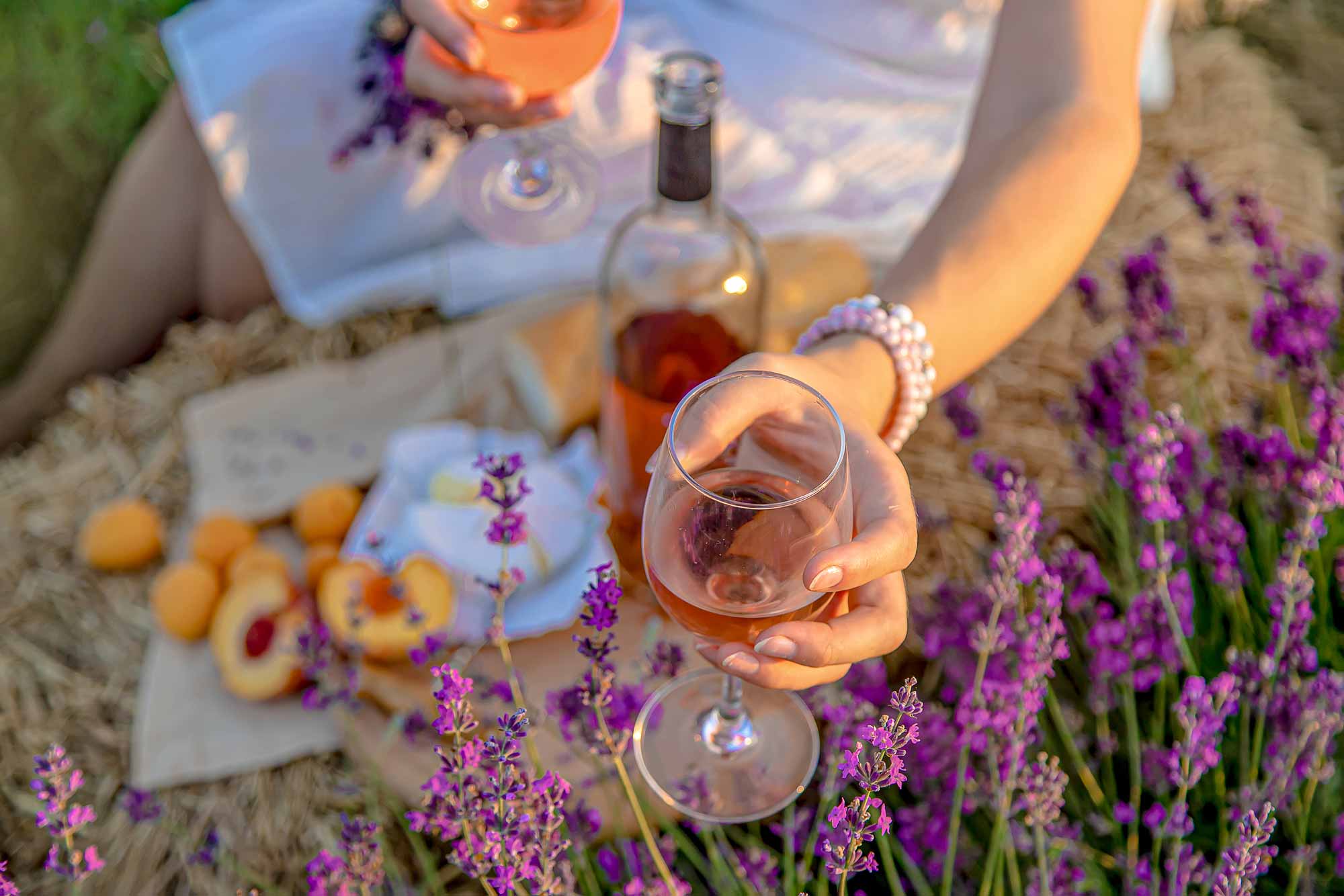
The wines, by long tradition, are mostly drunk young and cold. Côtes de Provence is the region’s largest appellation and produces the pale, dry rosé, its colour now exported around the world, that has become almost synonymous with summer. South of Toulon, the small and serious appellation of Bandol makes a deeper, more structured style: rosés with real weight, and reds based on the Mourvèdre grape that are among the longest-lived in France. A Bandol rouge with a daube, a chilled glass of Côtes de Provence with a plate of tapenade on a hot afternoon, these are small Provençal rituals worth seeking out.

CAPTURING THE LIGHT

Few landscapes have been so generously rendered. Paul Cézanne was born in Aix-en-Provence in 1839 and spent most of his life painting the country around it, the limestone bulk of Mont Sainte-Victoire, the rooftops of his home town, the apples and bottles on his studio table. His preserved atelier on the Chemin des Lauves, north of Aix, remains exactly as he left it, and the marked Route Cézanne in the hills behind the city walks you past the very fields and farmhouses he painted.

Vincent van Gogh arrived in Arles in 1888 and produced, in just over a year, more than 200 paintings, the sunflowers, the café terrace at night, the yellow house, the Langlois Bridge. After his crisis at the end of that year he checked himself into the asylum at Saint-Paul-de-Mausole, the old monastery just outside Saint-Rémy-de-Provence, where he spent the next twelve months and painted, among much else, The Starry Night from the view through his bedroom window. The asylum is open to visitors today; the cypresses he painted are still standing.

And in 1987, an English advertising man named Peter Mayle bought a stone farmhouse near Ménerbes and began writing about the year that followed. A Year in Provence, published in 1989, has since sold more than six million copies in forty languages and quietly invented a whole genre of dream-of-the-south memoir.

WHEN TO VISIT

Provence has a long season, but a clear sweet spot. May is glorious, the country is green from the spring rains, the wisteria is out, the markets are full and the heat is still gentle. June is the beginning of the lavender, with the Luberon and Valensole plateaux turning purple from the middle of the month; by early July the bloom is at its peak, and by the time it begins to fade around Valensole in mid-July it is just opening at the higher altitude of Sault, where it holds until mid-August. September is the other great month: the heat softens, the vendange begins in the vineyards, the autumn light comes in, and the villages quieten down again. October is the cèpe and truffle season in the hills, and a wonderful time for a slower, longer-table week.

July and August are the busiest weeks, with the lavender pulling in day-visitors and the coast filling up; an inland villa in the Luberon or Les Alpilles, with its own pool and a shaded terrace, is the most comfortable way to be here at that time. November to March is quiet and atmospheric, the truffle markets in Richerenches and Carpentras run from mid-November through to March.

GETTING HERE

Provence is unusually well-connected. The two main airports are Marseille Provence (MRS), closest to the Luberon, Les Alpilles and the Camargue, and Nice Côte d’Azur (NCE) for the eastern reaches and an easy onward drive to the Côte d’Azur. From the UK and northern Europe, the simpler option for many guests is the train: the TGV from Paris reaches Avignon in under three hours, and the Eurostar now runs direct from London to Avignon and Marseille at peak season. The Avignon TGV station sits a few minutes from the heart of the Luberon and is, for most of our guests, the most civilised way to arrive.

Once here, a car is essential, the villages are not a public transport proposition, and half the pleasure of Provence is the back-road drive between them. Distances are short: most of the Luberon’s key villages sit within a thirty-minute radius of one another, and the coast is rarely more than an hour and a half away. Travellers wanting to extend the trip often pair Provence with the Côte d’Azur to the east, or with the slower-paced Atlantic country of Aquitaine to the west.

PROVENCE WITH VILLA COLLECTIVE

Ours are chosen with Provence in mind: long, low mas of pale stone among the olive groves and vines of the Alpilles; hilltop places in the Luberon with the lavender running toward Mont Ventoux; converted bastides with shaded courtyards and pools laid out under the plane trees. Each comes with a Villa Collective team who know the region intimately. They can book the best table in Bonnieux, arrange a tasting at a Bandol estate, time a morning at Sénanque for the bloom, or see that the right baker calls at the kitchen door by seven. To begin, explore our collection of villas in Provence.

EXPLORE THE JOURNAL

DISCOVER MORE

A villa for every occasion Finding the perfect villa that suits a large group is the first step in making sure your celebration sings. We can match you with the ideal property for your party, plan all the big and little details ensuring your occasion rises far beyond expectations. Read our recommendations for big gatherings.
5 Reasons to Book Your 2027 Villa Holiday Now 2027 bookings with rates guaranteed at 2026 levels. Five reasons to plan your villa holiday early — from peak-date availability to the finest homes across the Mediterranean and beyond.