Paxos: slow island living in the Ionian | Villa Collective

Peaceful Paxos paints a pretty picture for those looking for an authentic Greek island getaway.

We explore Paxos’s unhurried charm and easy rhythm, defined by slow mornings, daily sea swims, gentle coastal walks and bobbing about on boats, underpinned by a leisurely sense of freedom. Alongside centuries-old churches, a world-famous music festival and intriguing cultural celebrations, Paxos is a small island that’s big on charm. 

Ionian charmer

Paxos is found in the crystalline waters of the Ionian Sea, close to Greece’s mainland and located below Corfu. A low-key island that’s less developed than its neighbours, peaceful Paxos is shaped by sand and pebbly beaches, undulating olive groves, characterful harbours and a slow-living way of life that’s agreeably irresistible.

An island of stories

Entrenched in Greek mythology, Paxos plays its part in Greece’s great stories. Legend has it that Poseidon, the Greek god of the sea, threw his trident into southern Corfu, breaking off a part that would become Paxos, an idyllic retreat for his wife, Amphitrite. The trident was lost at sea, and became an island emblem and potent symbol of Paxos as an understated haven and beauty spot. 

Deeply entwined with literature, seafaring families and the history of trade, Paxos is referenced in the epic, storytelling poems of Homer’s Odyssey, which speak of a Greek-speaking population originating from Epirus. Later, the island was put on the historical map by Phoenician traders who passed through the Ionian via bountiful Kefalonia. 

The Italian influence

What really left its mark on Paxos was the legacy of the Venetians, who ruled for several centuries. Wealthy maritime merchants built their family homes on Paxos, sensing its potential for escape and respite. Today the subtlety of Italian grandeur is seen in the elegant old houses built of stone; terracotta roofs and shaded courtyards; estates defined by rural agriculture and olive groves; and the rituals associated with good food and wine.

Paxos on screen

With our modern-day culture heavily influenced by what we see on our screens, it’s no surprise that viewers were intrigued by Paxos when it played a starring role in the Netflix drama, Maestro in Blue. The heady, drama-fuelled show painted Paxos in a beautiful light (minus the on-screen murders and corruption), and Paxos joined the trend of set-jetting, where fans travel to the see locations of their favourite television show. In this case, visitors flocked to experience the exquisite landscapes of Paxos: dramatic limestone cliffs, the picturesque harbour town of Gaios and the island’s irresistibly turquoise sea.

Where to explore:

Gaios

Most likely to be your entry point onto Paxos, the port town of Gaios greets you with just the right amount of bustle, welcoming you with its authentic atmosphere and attractive harbour. By day, Gaios is ideal for wandering its artisan shops and boutiques, interspersed with pauses for coffees and cool drinks. As the sun sets and the harbour lights are reflected on the glittering Ionian Sea, Gaios comes alive in its family-run tavernas and laid-back bars.

Loggos

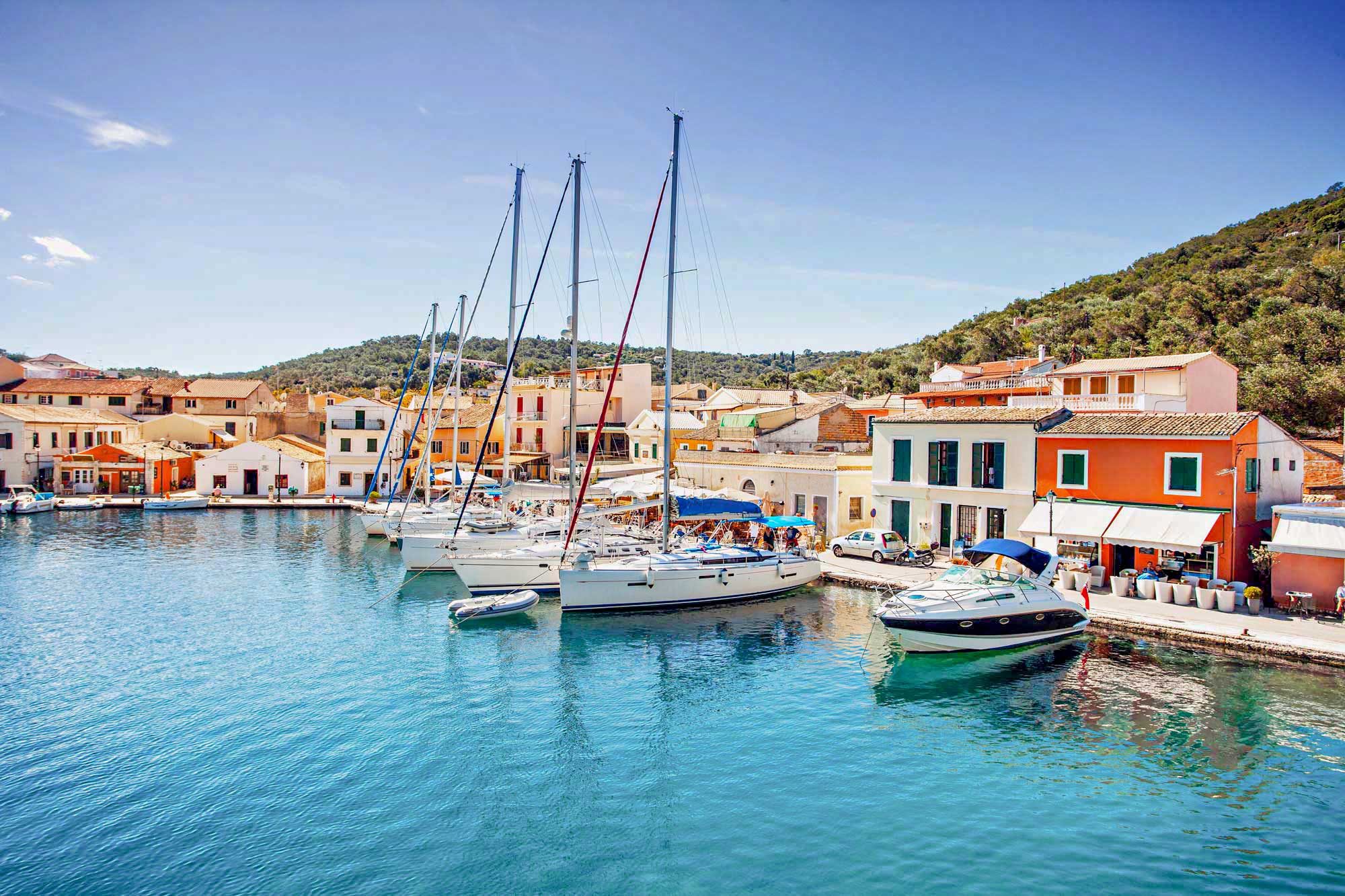
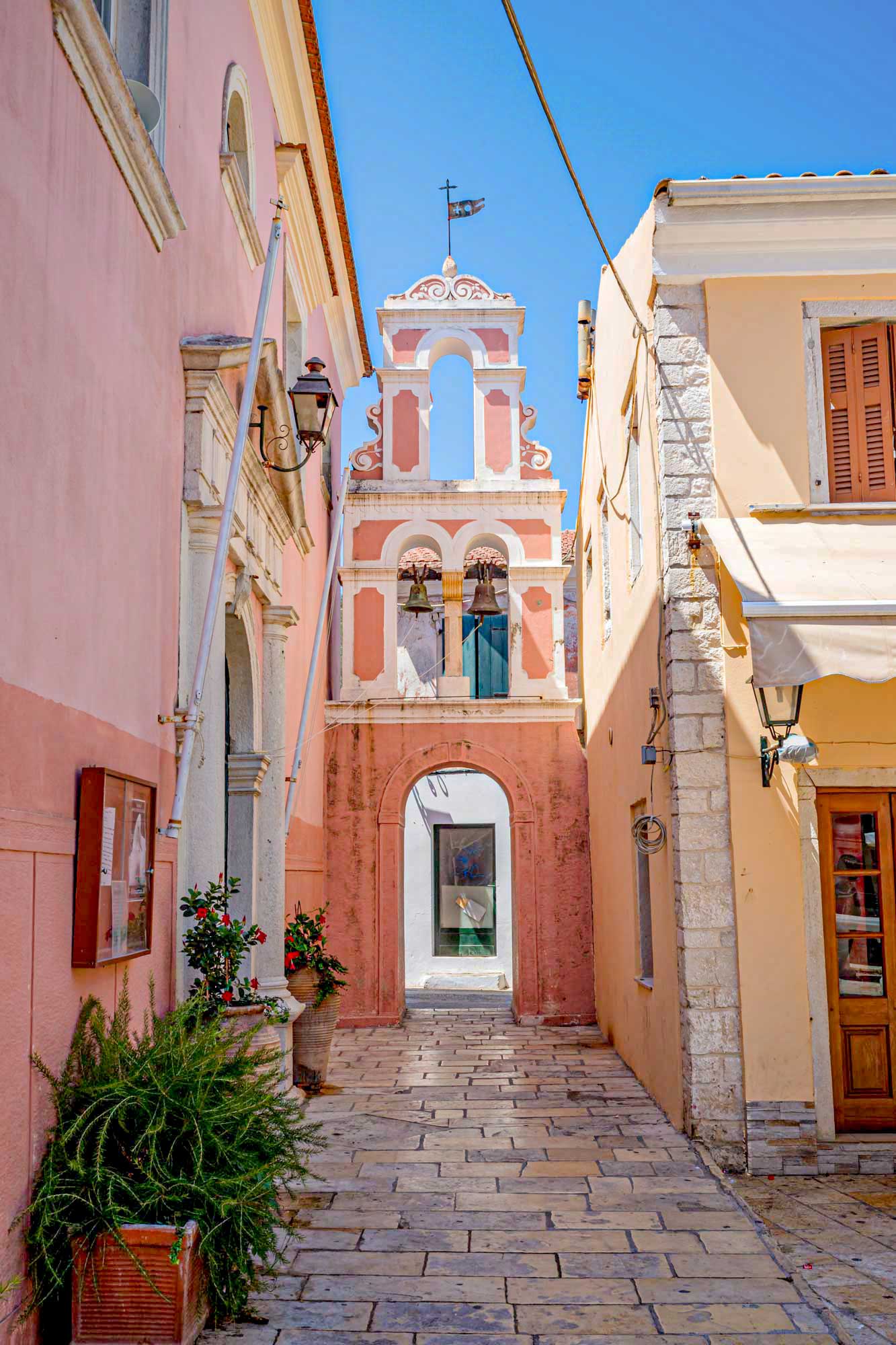
The prettiest little harbour town on Paxos’s east coast, Loggos is painted in pastel hues, with winding cobbled streets that lead down to a tranquil harbour scene. Cafes and restaurants line the quay, making it a lovely spot for a coffee or a slow lunch, watching the boats bob in the bay. There are pebble beaches in walking distance, shaded by olive trees and shelving into crystal-clear waters. With good restaurants and some simple but stylish aperitif spots, you could easily while away a whole day in Loggos.

Lakka 

Found on Paxos’s north coast, the village of Lakka is located in a sheltered, horseshoe-shaped bay with a smattering of white-washed houses, enclosed by scented pine trees dotted along low-slung hills. Ringed by iridescent-blue waters, the pace of life is beautifully slow, accompanied by the steady chirrup of cicadas. It’s a tranquil place to swim or sunbathe on its picturesque beaches, wander coastal pathways or relax in a cafe or restaurant for a laid-back lunch.

Mongonissi 

The beautiful olive tree-clad peninsula of Mongonissi lies south of Gaios, its shallow lagoon joined to Paxos by a narrow causeway. A gorgeously natural spot, Mongonissi beach has shallow, shelving waters and a mix of pebble and sand, making it ideal for families with young children. Its calm waters are also perfect for paddleboarding or mooring small boats; and the ease of beachside tavernas make it a great place to settle for the day.

Paxos’s beautiful beaches

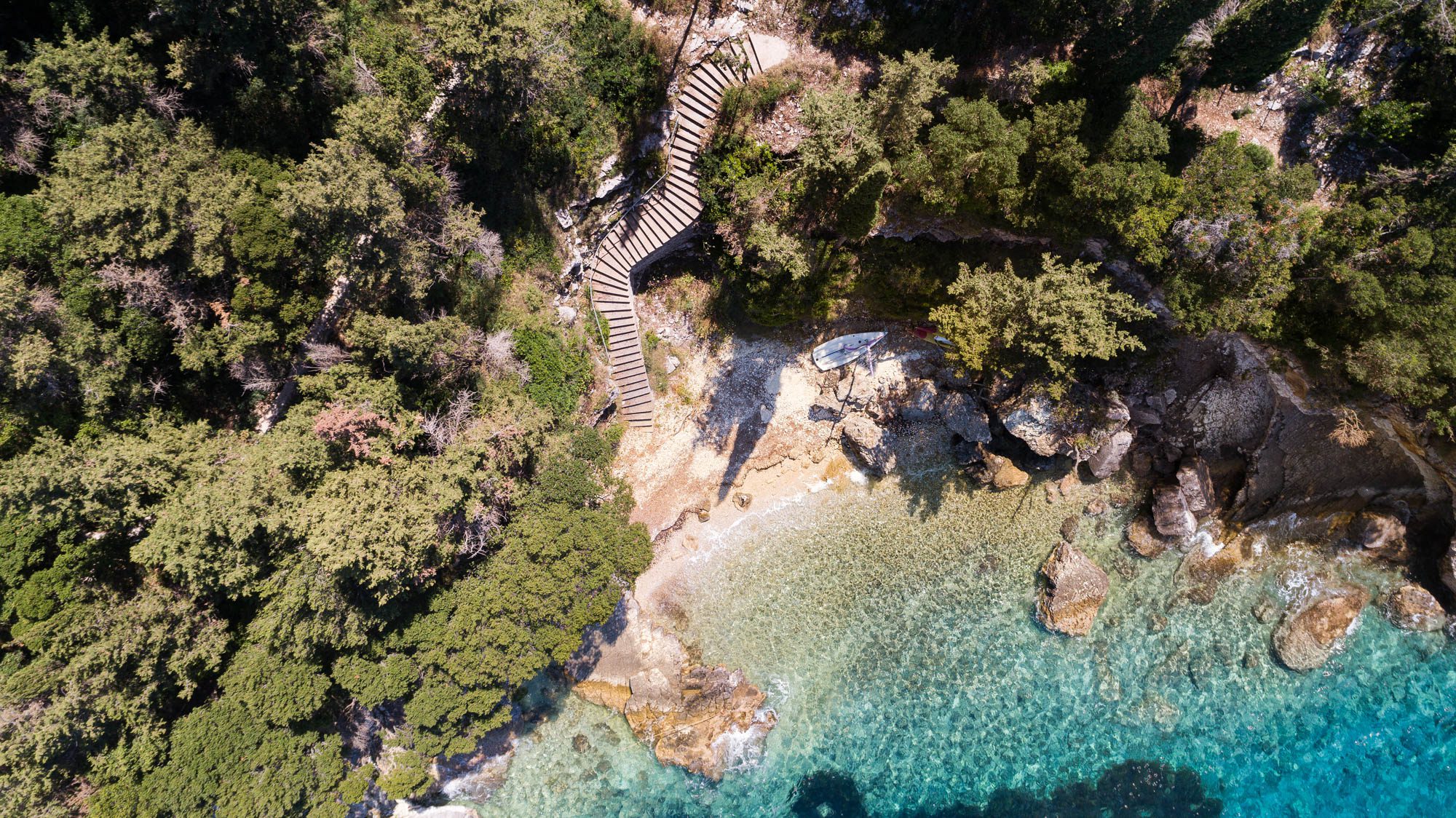
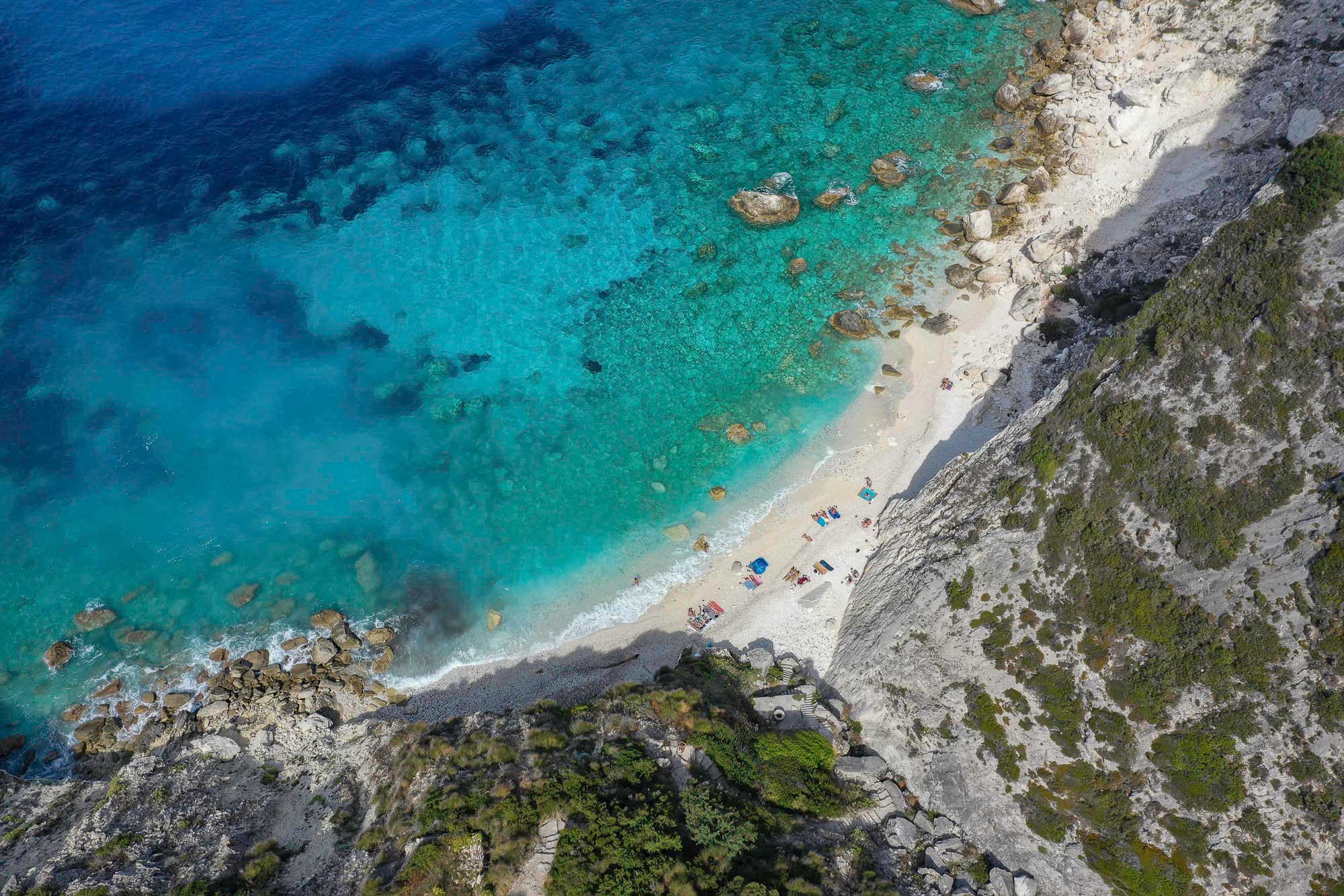
Paxos is blessed with around 25 beaches, from the hidden cove to the stunning sweep of pebble or sand, all lapped by the glassy, azure-blue water that the island is known for. Some are easy to access, others require a short walk and a few secret coves are only navigable by boat. Paxos is also home to some fabulous beach bars which are often worth planning a day, enjoying easy-access cocktails, watersports and comfortable loungers as your perfect seaside base from morning all the way through to sunset.

Depending on what you’re looking for, on Paxos you can find beaches that have the full raft of experiences from traditional beachside tavernas, cocktail bars and watersport centres, to those bays that you’ll be all alone on. Anti-Paxos is also within reach by water taxi from Gaios or by those with a boat, adding a little adventure to the mix; the reward being pale, powder-soft sands. 

For more information, read our in-depth guide to Paxos’s beaches.

A day at sea

Surrounded by a coastline of secret bays and translucent water, it’s no surprise that taking a boat out for a day’s exploring forms a natural part of time spent on the island. We can plan a boat day for you – we offer a range of ribs and day boats for hire, each with an experienced captain.

To get to know the island, consider a full-day, whole-island circuit, stopping at beaches, caves, coves and harbours. Sailing around Paxos’s rugged west coast by boat reveals sheer limestone cliffs, mysterious sea caves and turquoise waters that call to dive right in. The adventurous might like to snorkel among rock formations, leap from cliffs and explore secluded beaches accessible only by boat. 

Paxo’s little sister, Anti-Paxos, is also easily accessible by boat for a day, taking under 20-minutes to arrive on its famously white-sand shores. Here, you’ll also find a smattering of beach bars and restaurants to refuel in style.

Life on land

The island of Paxos provides an unhurried canvas for slow exploration. Wander the charming harbour villages of Gaios, Loggos and Lakka for low-key artisan shopping, lingering coffees and sea views. For those feeling active, follow the cliff-hugging path that links all three villages, starting in Gaiso and finishing in Loggos.

In between, discover coastal walks that reveal shady olive groves, peaceful chapels, incredible sea panoramas and quiet bays for refreshing dips. Rocky coves and offshore caves are excellent for snorkelling the underwater formations, with the intense clarity of the turquoise water illuminating shoals of colourful fish, starfish or perhaps an octopus. 

Swimming at any time of day is always a pleasure on Paxos, but we recommend taking the plunge first thing for the ultimate wake-up in cool, clear, refreshing waters. Equally, at sunset, as the sun dips towards the horizon, is a beautiful time to make the most of Paxos’ sublime, calm and safe waters, always irresistibly warm.

Day trips to Corfu, Albania and the mainland

Corfu is easily discoverable on a day trip from Paxos. We can arrange private boat transfers, or ferries also run with frequency to Corfu. We’d recommend a visit to Corfu Town on a guided tour with an expert local guide, exploring its fascinating layers of history and architecture through Venetian fortresses, British mansions and French esplanades, either by foot or e-bike. 

From Paxos, it’s also easy to visit Albania, just a short ferry or private boat transfer from the island to Sarandë, on mainland Albania. From there, discover the UNESCO World Heritage site of Butrint. Wander ancient Greek, Roman and Venetian ruins, marvelling at the weight of thousands of years of history at well-preserved amphitheatres, intricate mosaics and chunky city gates.

Just a short hop by boat or ferry takes you to mainland Greece and to Syvota, a picturesque former fishing village in Epirus, northwestern Greece. Laid-back and full of charm, Syvota has stunning fjord-like coves, beachside tavernas and pine-fringed beaches to explore.

Island culture

Paxos lives and breathes Ionian culture, seen in everyday rituals, culinary delights and a breezy sense of carefree charm that pervades the island.

Seasonal festivals are where culture and traditions come together in praise of Paxos. At the Neroladia Festival, held in Gaios in July, water and oil are celebrated with free bread, olives, tomatoes, feta and wine shared alongside traditional music and communal dancing. 

The Paxos International Music Festival that runs from June to September and is held near Loggos, brings classical and contemporary performances to historic settings, extending to art lectures and cultural walks. 

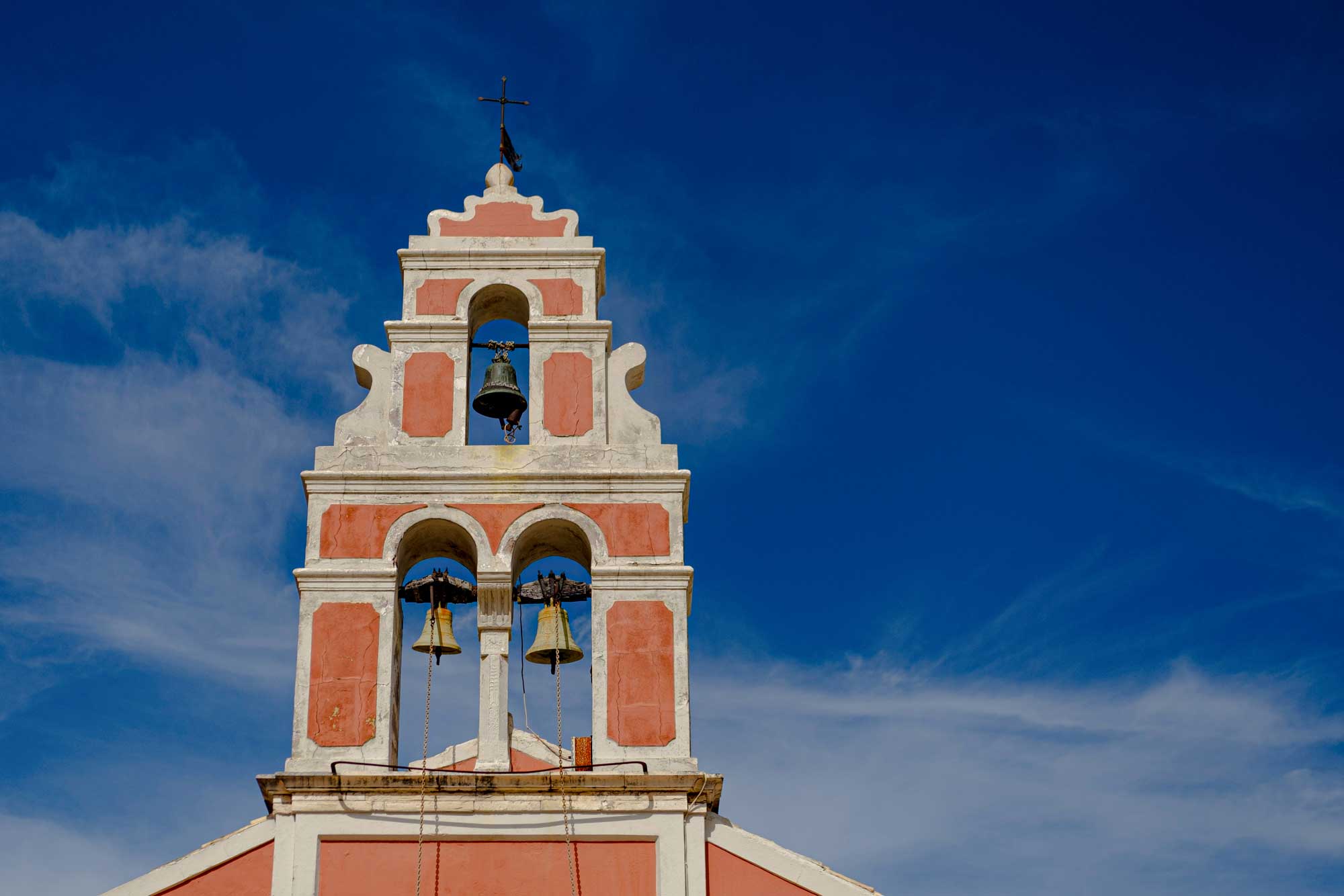
The Feast of the Virgin Mary on Panayia Island, held on August 15th is a religious festival with a candlelit vigil where locals and visitors row to the 15th century monastery and share “kantareli” soup and local wine, while preserving centuries of island heritage.

As aficionados of authentic Paxos and experts of all-things-Ionian, we return frequently to the island, gathering intel and checking in on the villas in our portfolio. This decades-long, first-hand experience in the region means we know the very best of the best – get in touch to find out more. 

EXPLORE THE JOURNAL

DISCOVER MORE

The Cooksons in Corfu Nick Cookson didn't just fall in love with Corfu — he grew up there. Discover how three generations of island life shaped the ethos behind Villa Collective.
Your 2027 Villa Holiday, Month by Month From the luminous warmth of the Kenyan coast in January to the last golden weeks of a Moroccan autumn, our Villa Collective calendar stays full all year.