Athens Riviera Guide: Vouliagmeni to Cape Sounion

Running south from the port of Piraeus, the city loosens into a long, pine-fringed coastline that Athenians have called the Riviera for close to a century: a shore that slips through Glyfada, Voula, Vouliagmeni and Varkiza before it thins to a headland and the white columns of Cape Sounion. On one side of the coast road, the Saronic Gulf; on the other, the Hymettus foothills and, always, the city behind. Nowhere else in Greece can you swim in clear water at midday, walk beneath a 5th-century temple at sunset, and gaze at the floodlit Acropolis before nightfall.

Riviera days come in a variety of forms, reflecting its natural seaside location and its proximity to culture, both ancient and modern. Mornings are for the water, a long swim off Astir, a slow float in the mineral lake at Vouliagmeni, or watching the yachts come and go from the marina. Afternoons can go two ways: inland to the antiquities and the museums, or further down the coast toward Sounion and the islands of the Saronic Gulf. Evenings are for long, slow dinners, whether that means grilled fish on a Glyfada terrace or a marina restaurant with the superyachts lit up alongside. There is room here for families and couples, for culture-seekers and sun-seekers and for those who like a little city with their shore.
VOULIAGMENI AND THE THERMAL LAKE

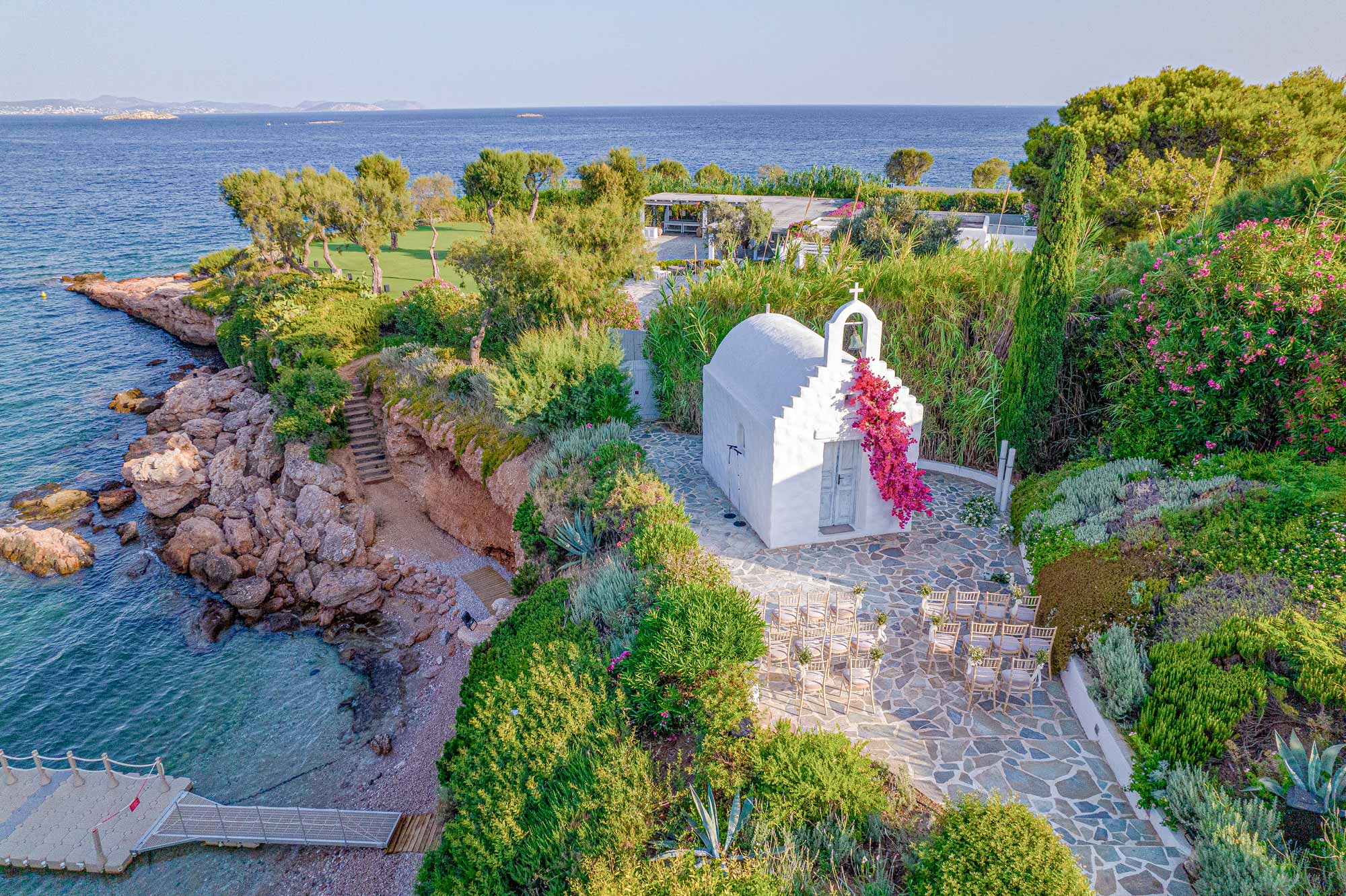
Vouliagmeni is a pine-covered peninsula of coves and headlands about 20 kilometres from Athens’ centre. Its name means the sunken place, and the water is the point of it: sheltered bays of exceptional clarity, a headland of villas set among the umbrella pines. This is where Athenians with a choice have long chosen to live, and where much of the Riviera’s hushed luxury has concentrated.

The peninsula’s most beloved feature is Lake Vouliagmeni, a brackish thermal lake tucked against a limestone cliff, half open to the sea and half sunken into the rock. Fed by underground springs, its mineral-rich water stays near a constant 24 degrees year-round, and small fish in the shallows will nibble at your feet if you let them. Long valued for its therapeutic properties, the lake was reimagined in 2025 in partnership with the Athenian fashion house Zeus and Dione, with designed loungers and a restaurant that have made a swim here one of the coast’s defining rituals.

ASTIR, ASTERIA AND THE GLAMOROUS MARINAS

If the Riviera has a single centre of gravity, it is the Astir peninsula at Vouliagmeni. Astir Beach is a sheltered crescent of pale sand with a members’ lounge, a hip bar, boutiques and, remarkably, the ruins of an ancient temple to Apollo Zoster sitting on the shore among the sunbeds. Behind it, the wooded headland is given over to the Four Seasons Astir Palace. Astir Marina keeps its berths for superyachts and lines its quay with the names you would expect: Louis Vuitton, Dior, Loro Piana, Bottega Veneta. Down the coast at Glyfada, Asteria is the livelier counterpart, a beachfront of clubs, cafes and waterfront restaurants where a lively crowd gathers in season. Further north, Flisvos Marina at Palaio Faliro is the megayacht harbour proper, a broad promenade of restaurants and moored giants.

CAPE SOUNION AND THE TEMPLE OF POSEIDON

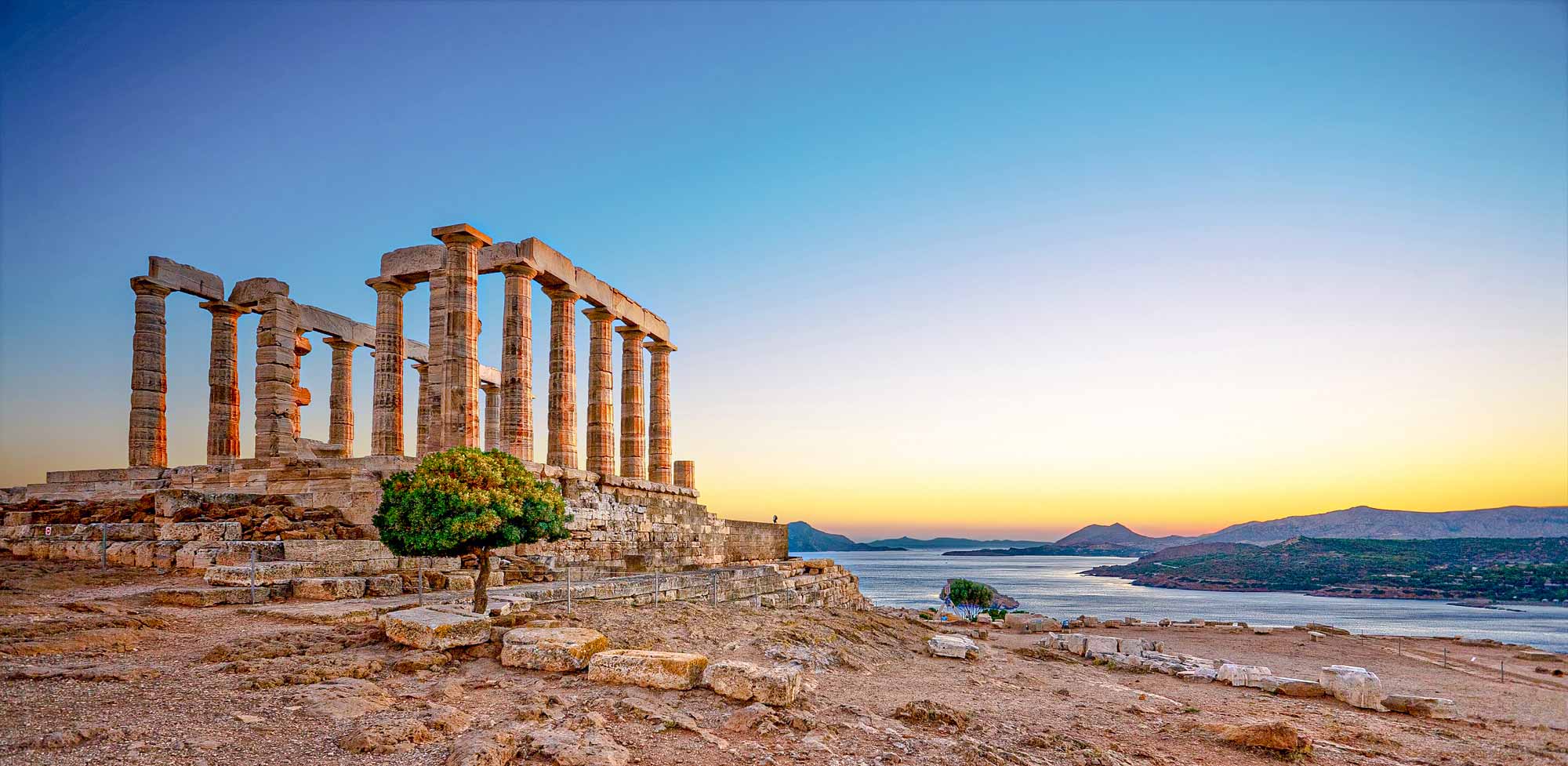
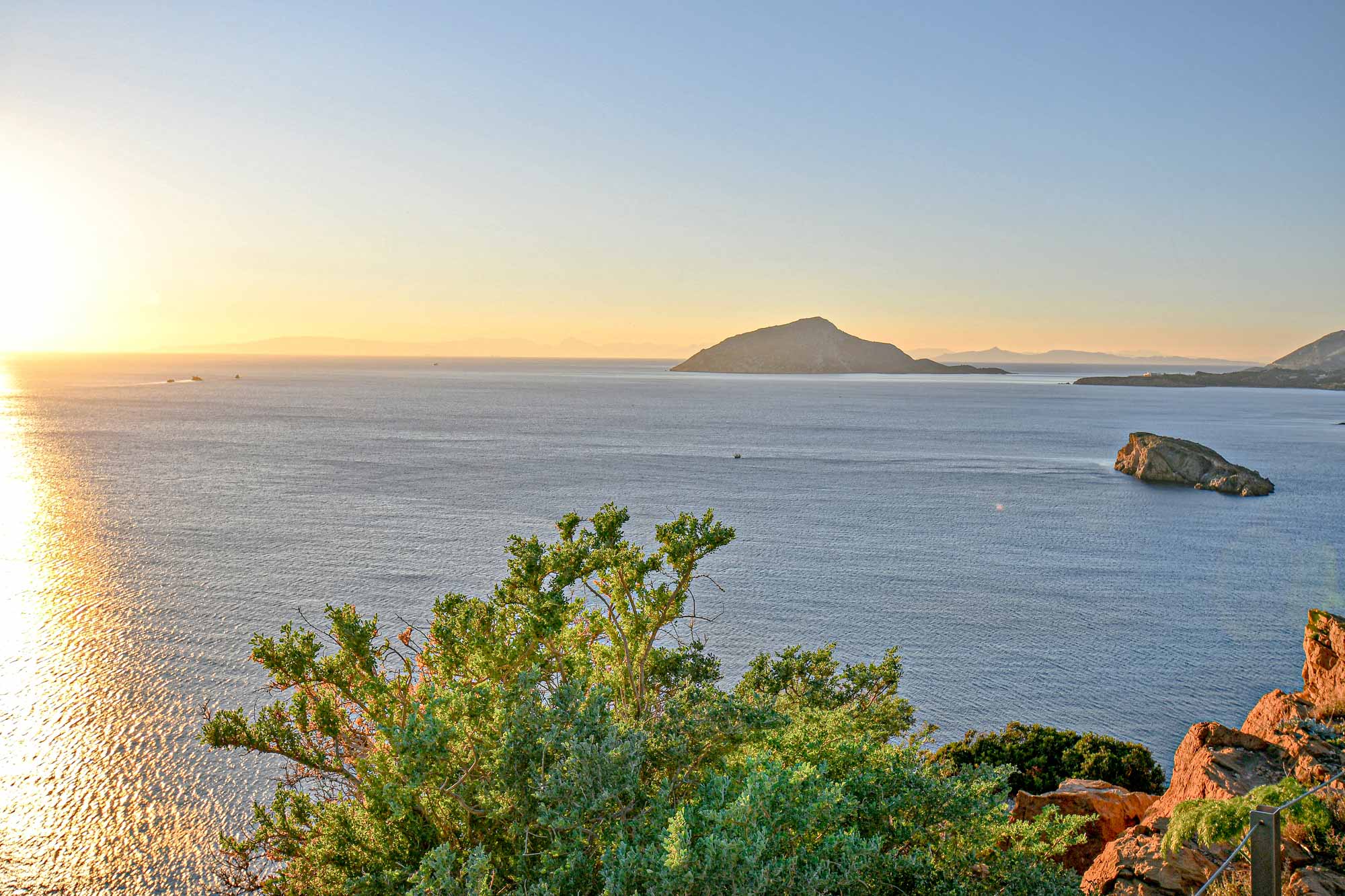
Cape Sounion, the southernmost tip of Attica, is where the Temple of Poseidon stands on a bluff high above the sea. Built in the 5th century BC of gleaming local marble, its Doric columns have watched over this stretch of the Aegean for 2,500 years, a landmark for sailors returning to Athens and, in myth, the headland from which King Aegeus is said to have thrown himself into the sea that still bears his name. Look out for graffiti cut into the marble and the name of Lord Byron, carved on one of the columns during his travels.

The drive from Vouliagmeni takes around an hour along a road that hugs the water almost the whole way, and the reward is the sunset. As the sun drops behind the Peloponnese, the columns turn from white to gold to rose – one of the great sunsets of the Mediterranean.

GLYFADA AND THE COASTAL SUBURBS

Glyfada is the Riviera’s beating heart, the largest and most sociable of the coastal suburbs and the place most locals mean when they talk about a night out by the sea. Its centre is a grid of pedestrian streets given over to shopping: Greek and international fashion, cafes on every corner, and the easy, well-dressed bustle of a place that lives outdoors for much of the year. Eating is a serious business here. Mylos brings the polish of its Santorini original to a Glyfada terrace; Mercato turns out confident Italian plates above the water; and along the shore the beach clubs and seafood tavernas of Voula and Kavouri carry the Riviera table south toward Vouliagmeni.

THE ACROPOLIS FOR THE AFTERNOON

The Riviera’s quiet trump card is the city behind it. Vouliagmeni sits only about 20 kilometres from the centre of Athens, putting the full weight of the ancient city within easy reach of a coastal base. You can spend the morning in the sea and the afternoon on the Acropolis, in the Plaka lanes below it, or in the cool galleries of the Acropolis Museum and the National Archaeological Museum, then be back on a Riviera terrace for dinner.

For those who would rather leave the car behind, the coastal tram runs along the shore from Glyfada and Voula up through Faliro toward the centre, a slow and scenic way into town. This proximity sets the Athens Riviera apart from every island: a beach holiday and a great world capital, folded into the same trip, with none of the ferries or flights that separate the two everywhere else in Greece.

DAYS ON THE WATER AND THE SARONIC ISLANDS

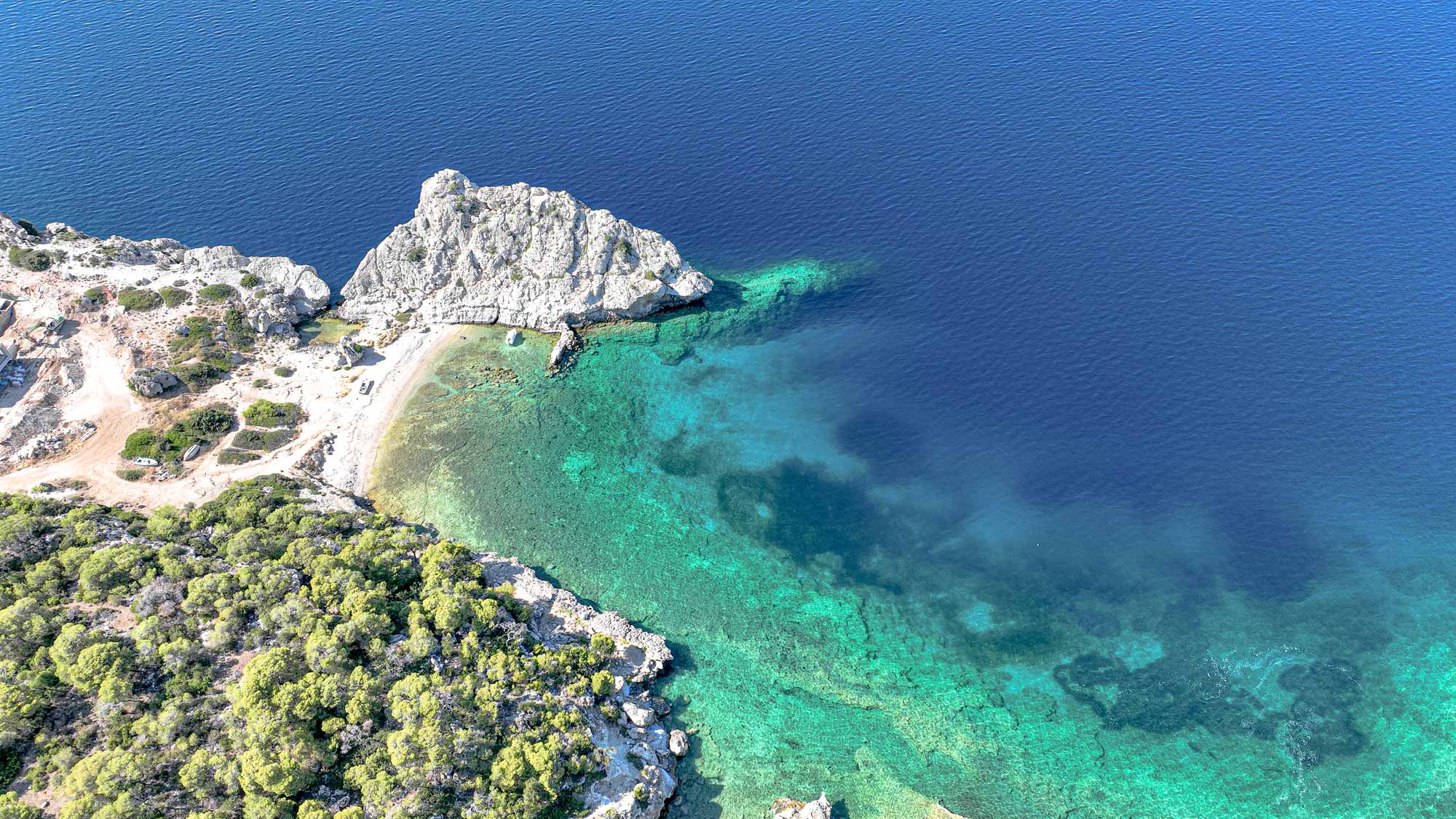
For all its temples and marinas, the Riviera is best enjoyed from the water. A day on a boat out of Vouliagmeni or Glyfada opens up a coastline of hidden coves, the rocky swimming spots of Limanakia, and the long line of the Attic shore seen the way it was meant to be seen, from the sea. Skippers here know where to drop anchor for a lunchtime swim and which bays stay secluded.

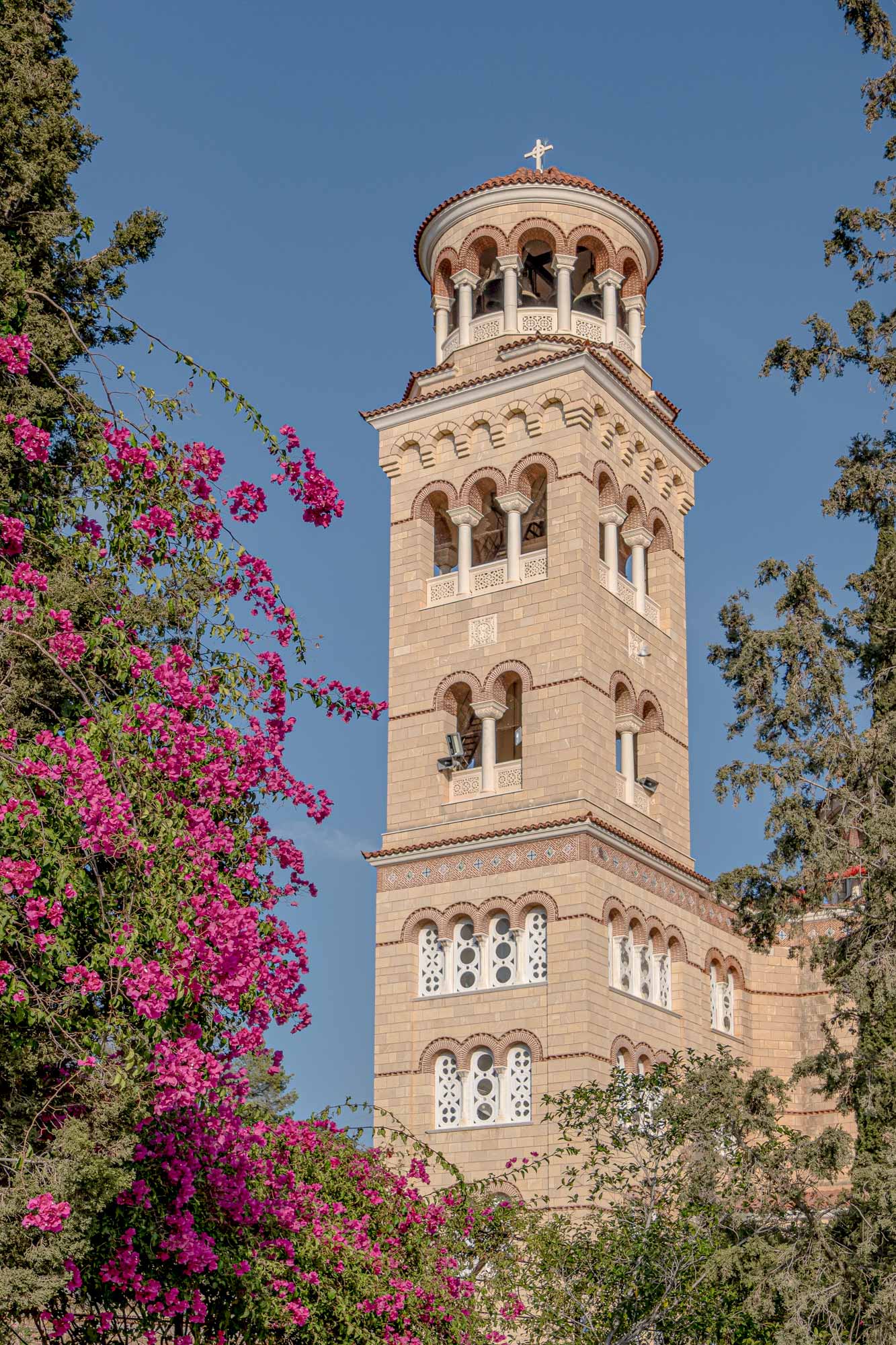
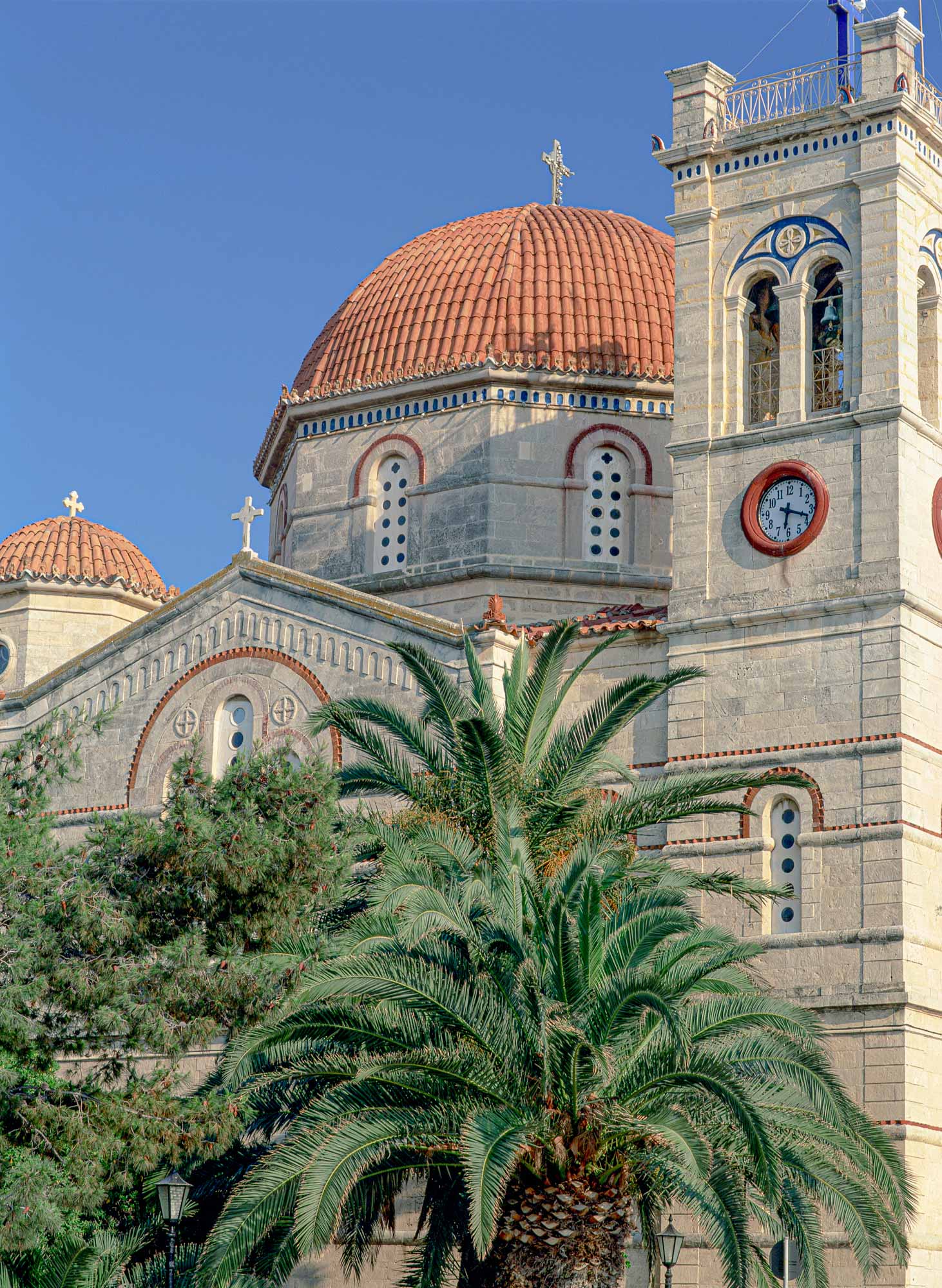
Reach a little further and the islands of the Saronic Gulf come within a day’s sail. Aegina, the closest, is famous for its pistachios and the beautifully preserved Temple of Aphaia on its wooded heights; Poros lies just off the Peloponnese with its clock tower and pine slopes; and Hydra, car-free and cut from grey stone, remains one of the most elegant harbours in Greece. A chartered yacht from the Vouliagmeni marina turns any of them into a leisurely day out and back, the Riviera’s own private archipelago.

WHEN TO VISIT

The Athens Riviera has one of Greece’s longest seasons. The sea is warm and swimmable from late May well into October, and the coast’s beach clubs and marina restaurants run at full tilt across those months. July and August bring the heat and the crowds, tempered by the afternoon sea breeze that makes the Riviera markedly cooler than the city inland. June and September are the sweet spot: hot, settled weather, a sea that still holds its warmth, and the antiquities visited in far greater comfort than at the height of summer. Spring and autumn are mild and green, ideal for pairing the coast with the city’s museums and archaeological sites, and even in winter the Riviera keeps a gentle rhythm, with cafes and restaurants busy on bright Sunday afternoons by the sea.

GETTING HERE

The Athens Riviera is the easiest coast in Greece to reach, simply because it needs no ferry at all. Athens International Airport, Eleftherios Venizelos, lies only about 22 kilometres inland, a roughly 25-30 minute drive to Vouliagmeni that skirts the edge of the city and drops down to the sea. Direct flights arrive from across Europe and beyond, and you can reach a coastal villa within an hour of landing, with bags barely unpacked before the first swim.

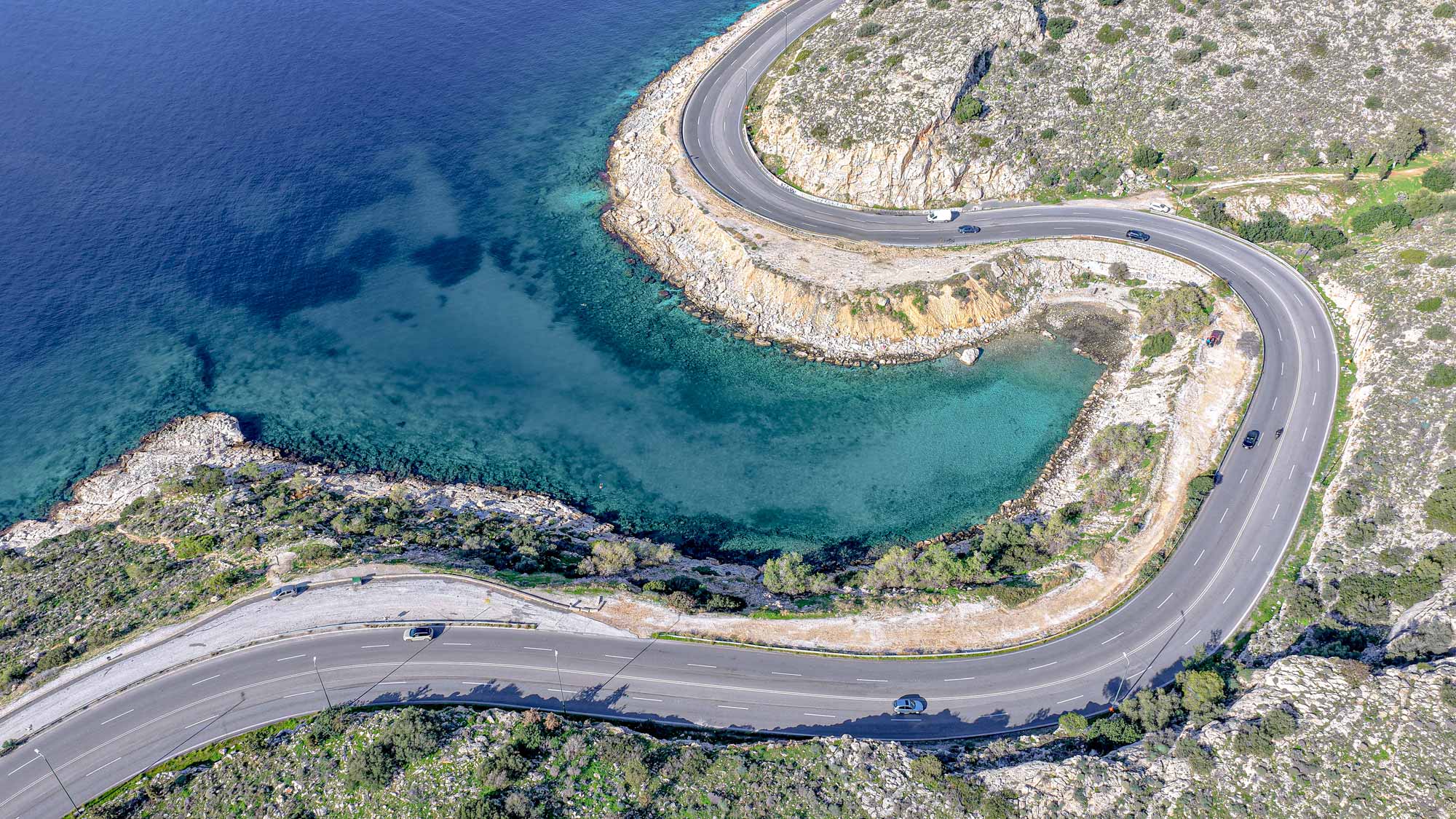
Once you are on the coast, everything runs along a single artery: Poseidonos Avenue, the seafront road that threads the whole Riviera together. Glyfada sits about fifteen minutes from Vouliagmeni, the centre of Athens around 25-40 minutes north depending on traffic, and Cape Sounion roughly an hour to the south along the water. A car is worth having for the Sounion run and for exploring at your own pace, though the coastal tram and a short taxi will cover most day-to-day travel between the suburbs and the city.

ATHENS RIVIERA WITH VILLA COLLECTIVE

The Athens Riviera is a coast where you can swim in a thermal lake, have lunch on the beach, stand beneath the Temple of Poseidon as the light goes down, and still reach the Acropolis within half an hour. If this sounds like the perfect set-up for your villa holiday, talk to us about our collection in the Athens Riviera and beyond. Our villas also come with a team that knows the area, from booking the right table on the Astir waterfront to chartering a private yacht from Vouliagmeni Marina for a day among the Saronic islands, or taking a guided walk through the Acropolis before the gates open.

EXPLORE THE JOURNAL

DISCOVER MORE

The taste of Greece Greek cuisine is rooted in hospitality, community and centuries of tradition. From simple taverna dishes and olive oil-rich cooking to contemporary island restaurants and a thriving wine culture, our guide explores the flavours, rituals and ingredients that shape Greece’s distinctive food scene.
Greece: on page and screen The wild beauty of Greece has appeared in countless works of film and fiction. We’ve pulled together some of its most iconic roles.