Côte d'Azur Guide: Saint-Tropez, Nice & the Riviera

The Côte d’Azur is so called for good reason – a particular shade of blue exists only along this coast. The painters knew it first, Matisse and Bonnard chasing it down to Nice and Cagnes, Picasso following it as far as Antibes and Mougins, Chagall settling into the hills behind Saint-Paul, and they all agreed on its peculiar quality: brighter than the Atlantic, softer than the Aegean, somehow held in suspension between sea and sky. The English aristocracy first gave the coast its winter season in the 1830s, the Russian grand dukes brought the spring, and the Americans of the 1920s made it their summer. Today’s Côte d’Azur still does what it has always done best: turning warmth, water, and its cuisine into something that feels almost like art.

The Côte d’Azur is strung along the French Riviera: Saint-Tropez at one end, Menton at the other, with Cannes, Antibes, Nice and Monaco in between, and the medieval villages of the hinterland presiding from above.

THE LANDSCAPE OF THE RIVIERA

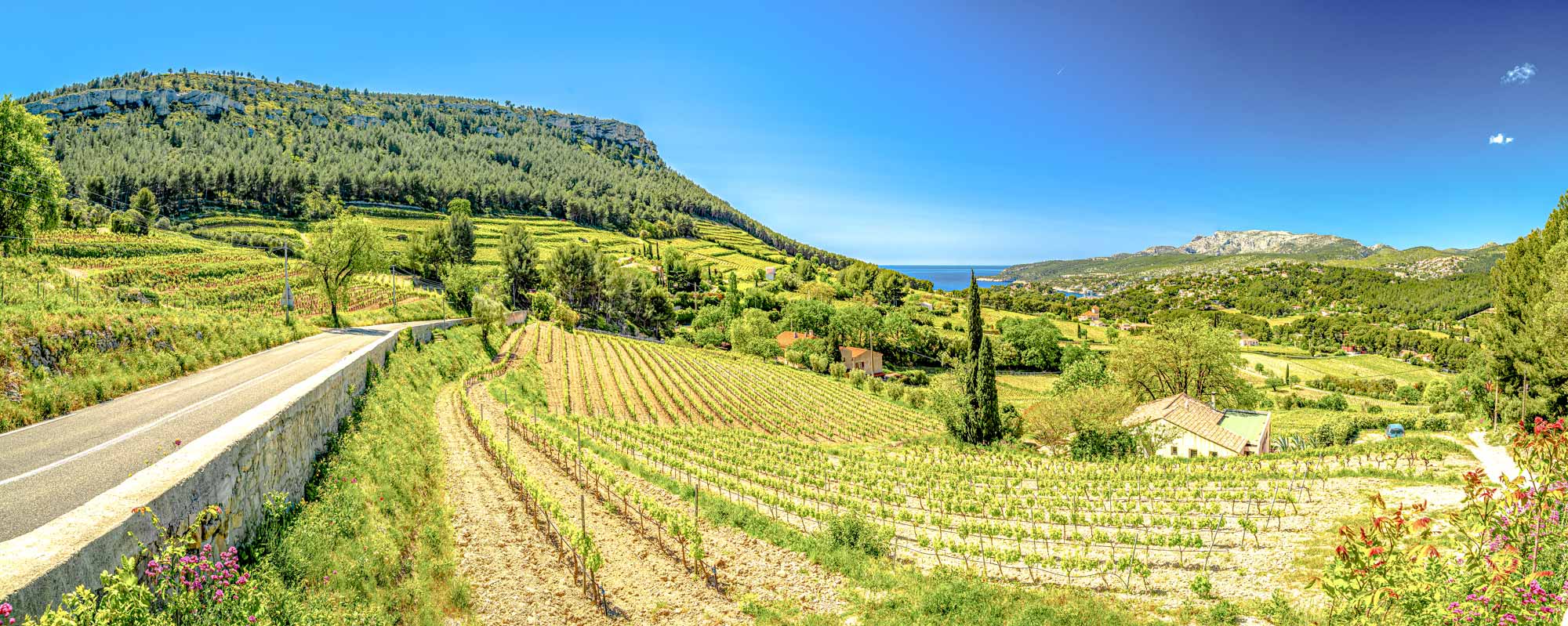
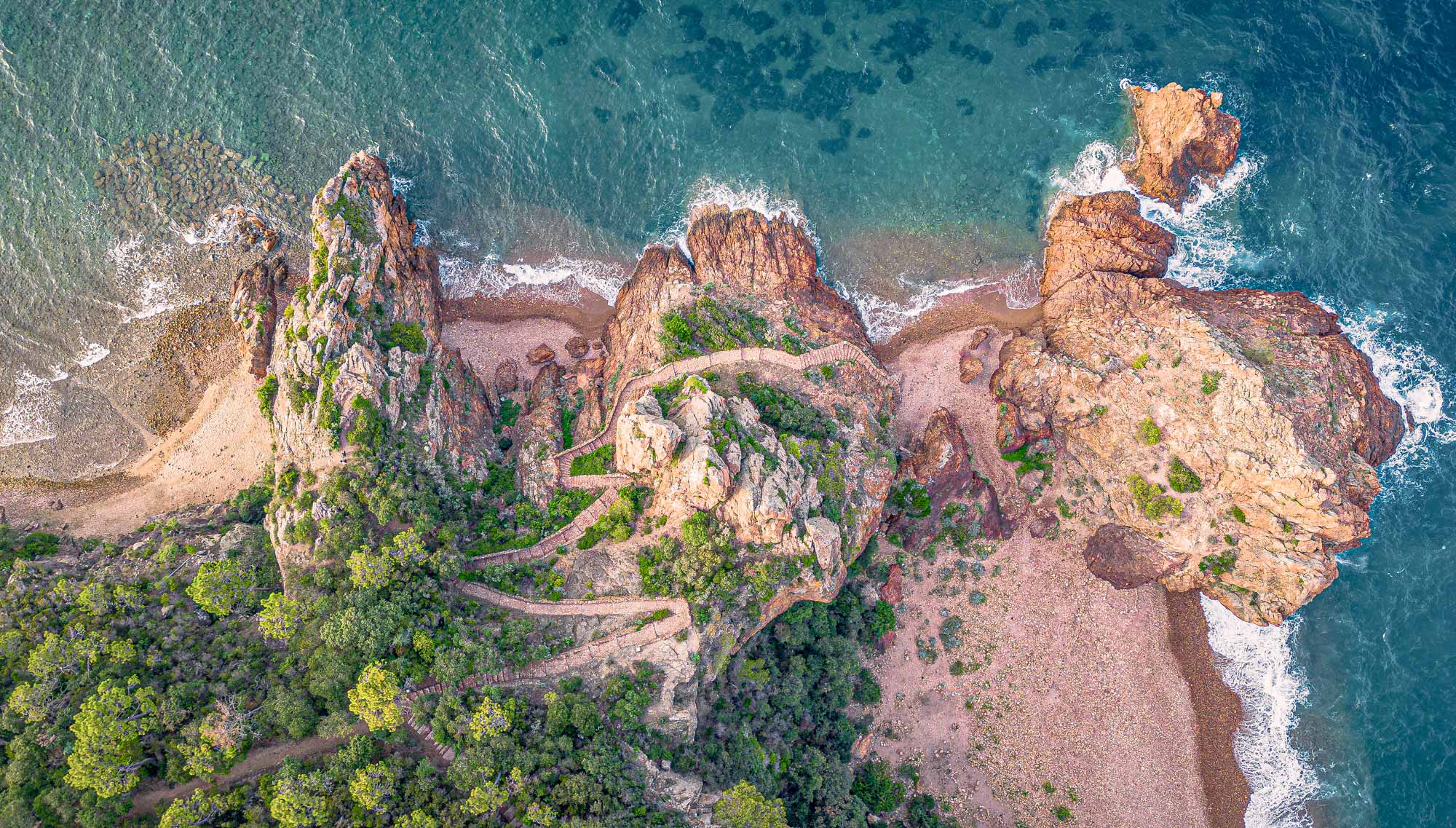
The Côte d’Azur stretches roughly 150 kilometres along the south-eastern corner of France, from the red porphyry cliffs of the Esterel above Saint-Raphaël to the Italian border just past Menton. It is held in place by two great natural buttresses: the wooded hills of the Massif des Maures behind Saint-Tropez at one end, and the foothills of the Maritime Alps tumbling almost straight into the sea at the other. Between them lies a coast of pine-shaded headlands, perched medieval villages, palm-lined promenades and small natural harbours that have changed surprisingly little despite the century-long parade of yachts.

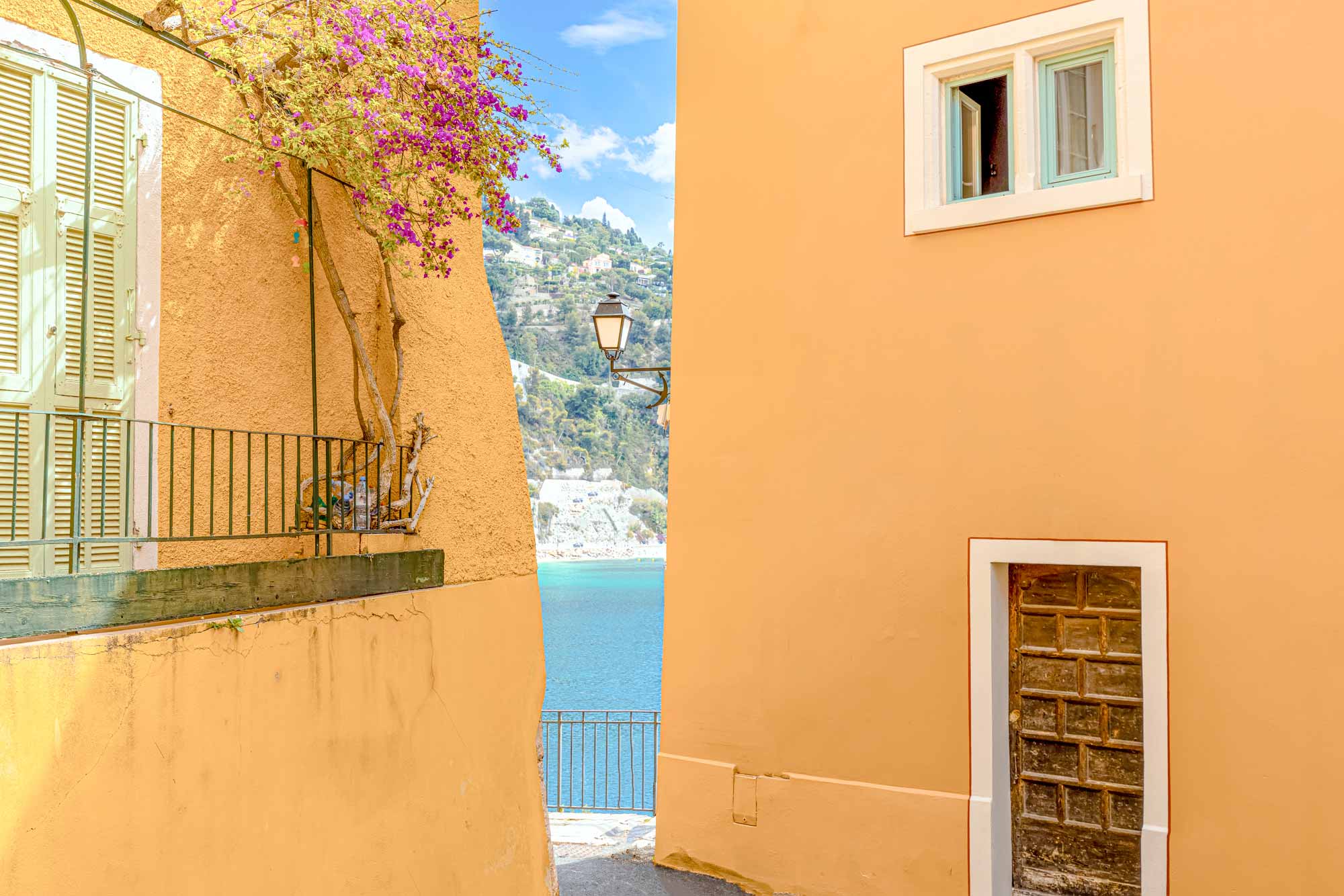
The light here is the famous Mediterranean glow that drew the painters, and it is what gives the coast its name. The novelist Stéphen Liégeard coined the phrase Côte d’Azur in 1887, in a book of the same name, and it stuck because nothing else quite described the colour of the sea on a clear morning in May. The light has a way of flattering everything: the ochre walls of the old towns, the umbrella pines along the coast roads, the pale linen of a long lunch table.

SAINT-TROPEZ AND THE PAMPELONNE SHORE

At the western end of the coast, Saint-Tropez is a small fishing port wrapped around a beautiful harbour. Brigitte Bardot and Roger Vadim arrived here in 1956 to film And God Created Woman, and the village was never quite the same; but step away from the quayside in mid-morning, walk up into the old town behind the citadel, and the original Saint-Tropez is still there: pastel houses, narrow lanes, the soft clack of pétanque under the plane trees of the Place des Lices. The ritual of the place is still the same as it has been since the 1950s: a coffee at Sénéquier, the famously red-awninged café on the port, watching the yachts come in and the world drift by in sunglasses and linen.

A short drive south, the long white crescent of Pampelonne beach unrolls for five kilometres along the commune of Ramatuelle. This is the shore that built the Saint-Tropez legend. La Voile Rouge, founded in 1963 by Paul Tomaselli, was the original beach club where topless sunbathing first took off and where the excesses of the 60s and 70s took hold, and although it closed its doors in 2012, its successors along the same sand keep the rhythm alive. Today Pampelonne is a more regulated and gentler place than it once was, the beach clubs spaced more carefully along the dunes, but the choreography of a long, slow lunch under a striped parasol, with the sea at your feet and a bottle of cold rosé on the table, has not much changed in sixty years.

BEYOND SAINT-TROPEZ: NICE, CANNES, ANTIBES

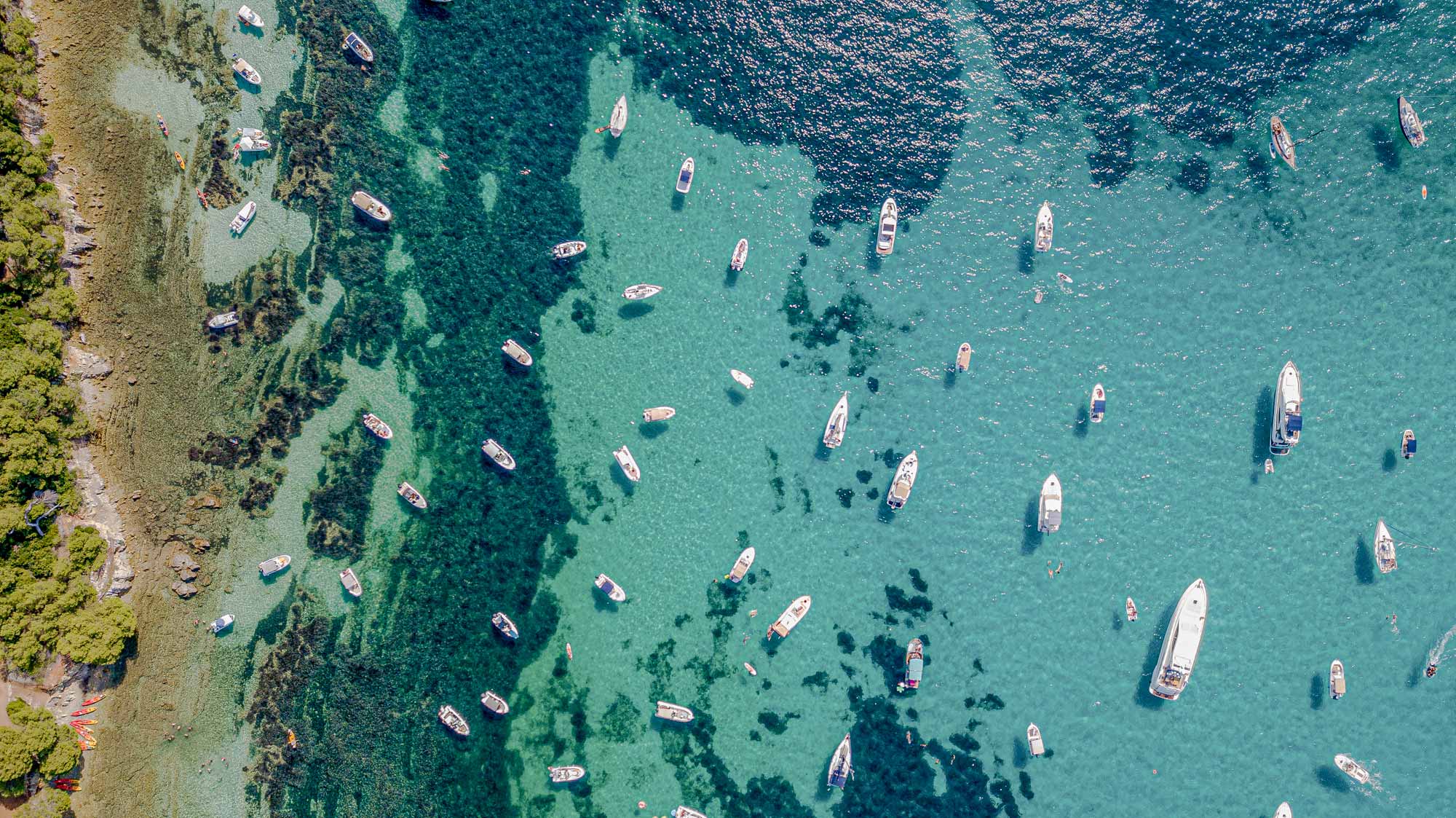
Move east along the coast and the Riviera reveals its older, more architectural self. Cannes is best known for its film festival each May, but the town itself, laid out along the curve of La Croisette, with the old quarter of Le Suquet rising behind, is a graceful 19th-century resort with one of the best food markets on the coast at the Marché Forville and a string of grand hotels along the seafront. From the Quai Laubeuf, small ferries run year-round to the Îles de Lérins, the two small islands lying just offshore. The farther of the two, Saint-Honorat, has belonged to the same Cistercian monastic community since 410, and the thirty monks who live there today still tend eight hectares of vineyard and welcome visitors to the abbey church. A morning on Saint-Honorat, a quiet walk through pine and eucalyptus, a glass of the monks’ wine, lunch on the terrace of the island restaurant, is one of the gentler ways to spend a day on the Riviera.

Further east, Antibes is the coast’s great working harbour, with the old walled town behind it tumbling down to a perfect Provençal market square. The Château Grimaldi on the ramparts was loaned to Picasso as a studio in 1946; he repaid the gift with the body of work that became the Musée Picasso, one of the finest small museums on the coast. Just south of the town, Cap d’Antibes is a wooded peninsula of villas, pines and discreet swimming coves, Plage de la Garoupe at its tip is where the Murphys, Fitzgeralds and Hemingways famously invented the summer season in the 1920s.

And then there is Nice itself: the largest city on the coast and, for many travellers, its most enjoyable. The Promenade des Anglais, named for the English winter visitors who first walked its seafront in the 1820s, still curves for some seven kilometres along the Baie des Anges, and the old town behind it is a tangle of ochre lanes, baroque churches, painted shutters and the great morning market at the Cours Saleya. Nice’s harbour is one of the best places to sample the French fish stew: bouillabaisse.

THE HILLTOP VILLAGES

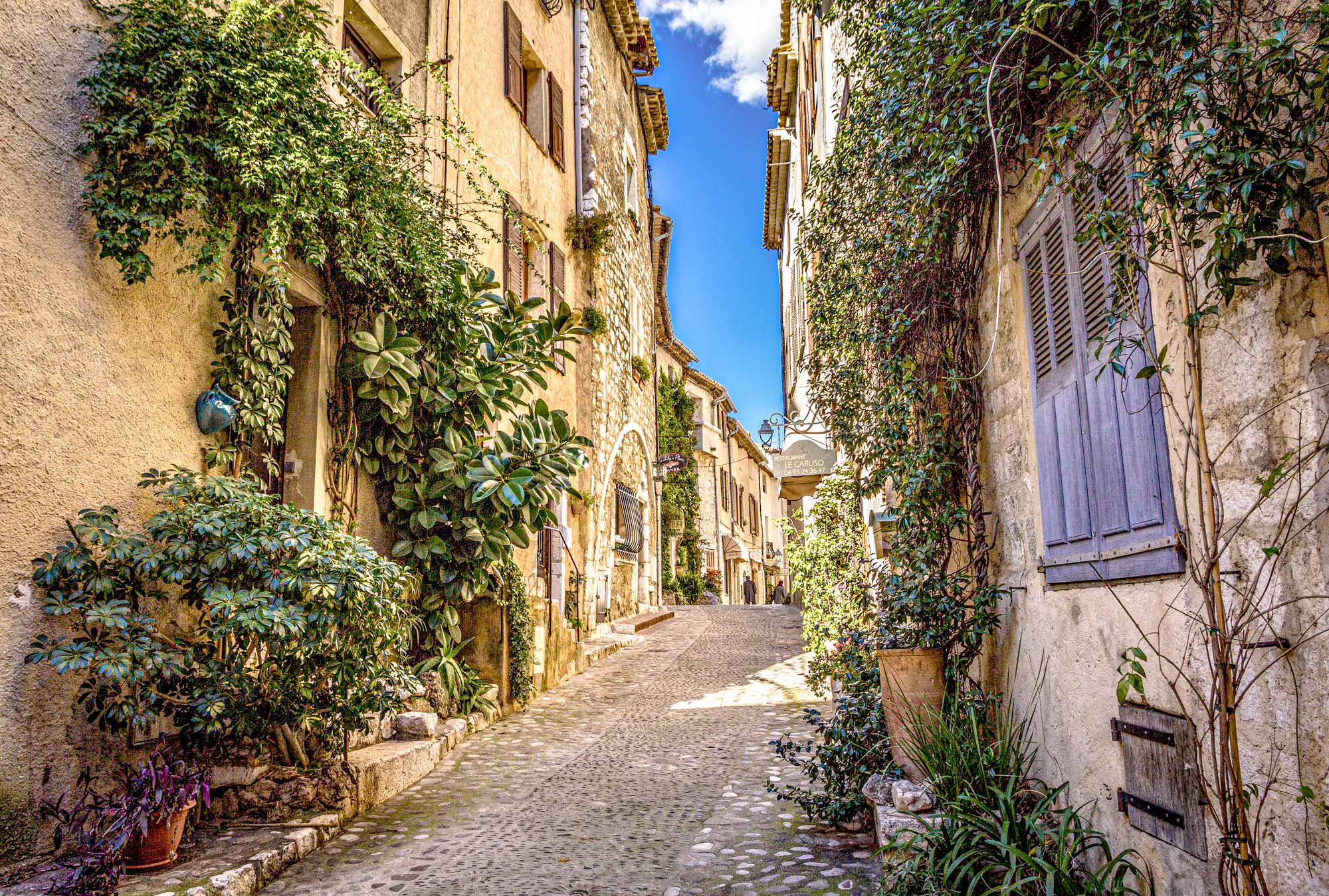
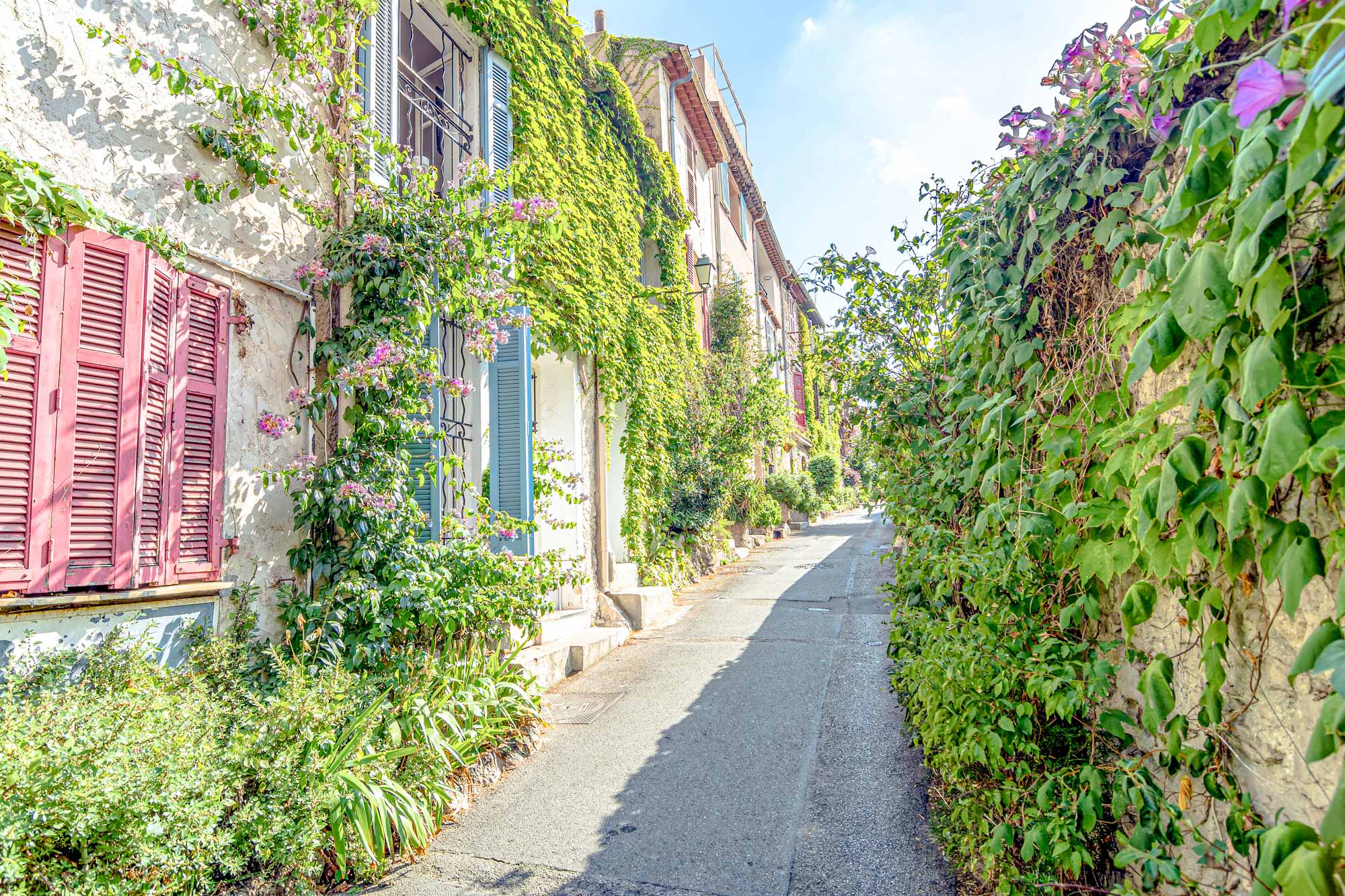
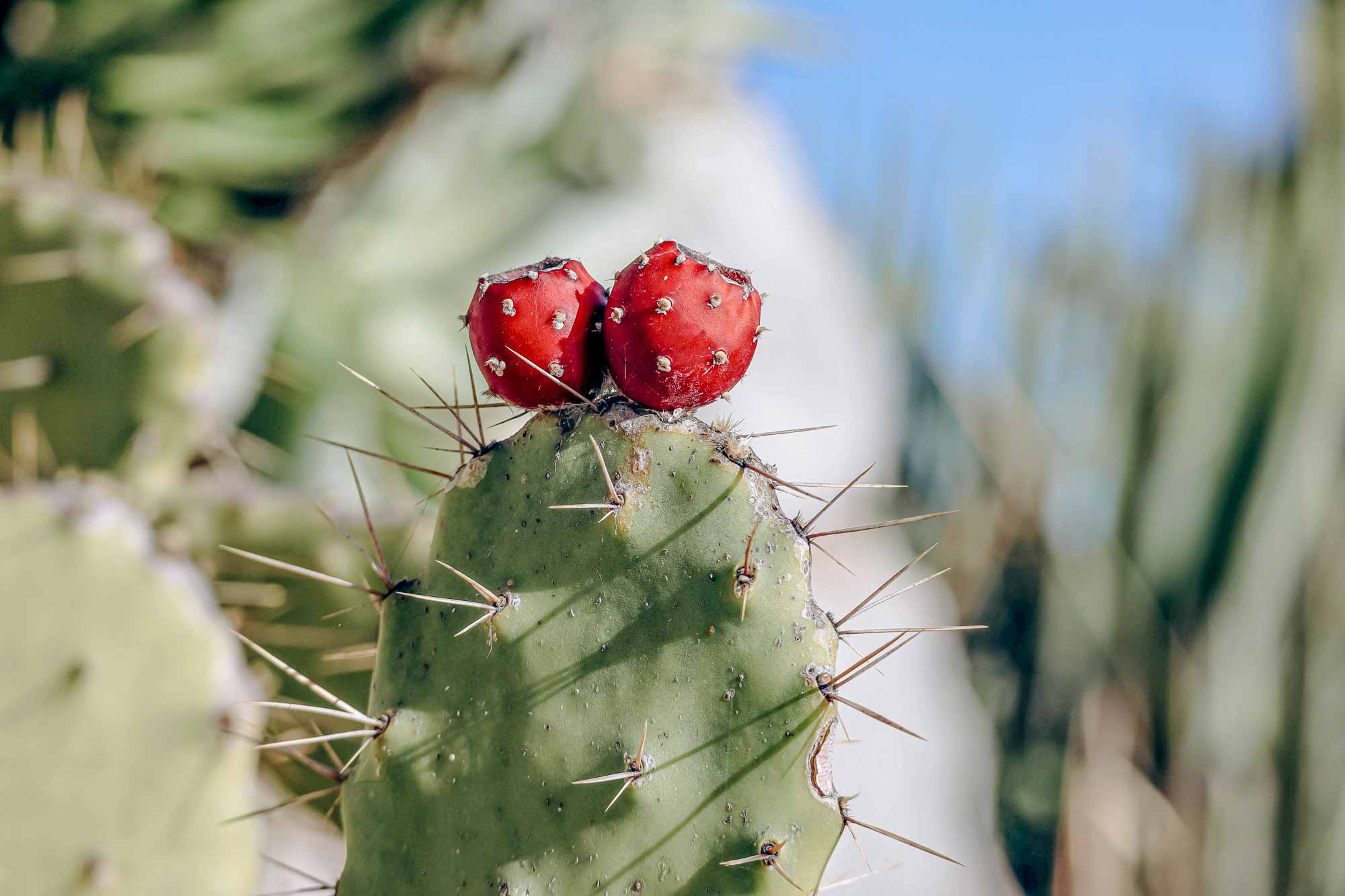
Behind the coast, the land rises sharply into the foothills of the Maritime Alps, and a string of medieval villages perchés clings to the ridges and outcrops above the sea. Highest and most theatrical is Èze, perched almost 430 metres above the sea on a sheer rocky pinnacle between Nice and Monaco. The lanes inside the medieval walls are barely wide enough for two, and the Jardin Exotique at the summit, a garden of cacti and succulents laid out across the ruins of an old fortress, looks straight down over the coast to Cap Ferrat. A little further inland, Saint-Paul-de-Vence is the village that the artists of the mid-20th century made their own: Chagall lived and is buried here, Yves Montand married Simone Signoret on the steps of the Colombe d’Or, and the place still carries the faint scent of that mid-century bohemia.

North-west, towards Cannes, Mougins is quieter and more refined: a small circular village wrapped around a hilltop, with views across the pine woods to the sea. Picasso settled here in 1961 with his wife Jacqueline and spent the last 12 years of his life turning the villa of Notre-Dame-de-Vie into a vast, continuous studio; he died at Mougins in 1973. The village today is known for its restaurants, several of the coast’s most ambitious kitchens are tucked into its old stone houses, and for the small lanes that wind, unhurried, past galleries and sculpted courtyards.

THE ART TRAIL: PICASSO, MATISSE, CHAGALL, FONDATION MAEGHT

No coast in Europe is so completely shaped by 20th-century art. The painters came for the light, stayed for the warmth, and left a chain of museums and chapels that can be followed, village by village, as a kind of pilgrimage. The Musée Matisse in the Cimiez quarter of Nice holds the great bequest the painter made to the city where he lived for almost 40 years. The Musée National Marc Chagall, also in Nice, gathers the 17 large canvases of his Biblical Message in a building designed expressly for them. The Musée Picasso in Antibes holds the joyful body of work the painter produced in a few intense months in 1946.

And on the wooded hill above Saint-Paul, the Fondation Maeght is perhaps the most complete realisation of all. Founded in 1964 by Marguerite and Aimé Maeght and designed by the Catalan architect Josep Lluís Sert, its collection of more than 13,000 works includes Giacometti, Miró, Calder, Braque, Léger and Kandinsky, set into gardens, courtyards and chapels that the artists themselves helped to design. An afternoon here, followed by a glass of wine on the terrace of the Colombe d’Or, is a memorable way to enjoy the Côte d’Azur.

ROSÉ, AND LONG LUNCHES

The cuisine of the coast is Provençal at its base and Italian at its edges, a reminder that Nice was part of the Kingdom of Sardinia until 1860, and that the Ligurian border lies only a few kilometres away. In Nice itself, the cuisine niçoise is one of the great regional cookeries of France: socca, the thin chickpea-flour pancake baked on copper platters in wood-fired ovens and brought to Nice by Italian dockworkers in the late 1700s; pan bagnat, the round country loaf hollowed and filled with a salade niçoise of tuna, anchovy, egg and tomato; pissaladière, the slow-cooked onion tart; and ratatouille, the long-simmered stew of aubergine, courgette, pepper and tomato seasoned with the herbs of the surrounding hills.

Around all of this flows the rosé that, over the last twenty years, has become the signature wine of the coast. The vast Côtes de Provence appellation, stretching from Saint-Tropez to the outskirts of Marseille, produces around three-quarters of all the wine in Provence, and 80% of that is dry rosé, pale, mineral, faintly floral, the colour of a Mediterranean dawn. The coast’s most natural neighbour, <a href=”https://www.villacollective.com/provence”>Provence</a>, shares much of this table: the same olive oils, the same herbs, the same long approach to lunch, and many travellers pair a week on the coast with a week in the lavender hinterland behind, or with the Atlantic light and oyster bays of <a href=”https://www.villacollective.com/aquitaine”>Aquitaine</a> further west.

WHEN TO VISIT

The Côte d’Azur has a long and forgiving season. May and June are the loveliest months: the sea is warming, the gardens are at their fullest, the days are long, and the great summer crowds have not yet arrived. July and August are the high season, busy, brilliant, expensive, and Pampelonne, Cannes and Saint-Tropez are at their most theatrical, which is either the point or precisely not, depending on your temperament. September is, for many, the perfect month: the sea is at its warmest, the light begins to lengthen and soften, and the coast empties just enough to feel like itself again. October still belongs to the locals, with mild days, open restaurants, and the first autumn light.

GETTING HERE

The Côte d’Azur is the easiest stretch of Mediterranean coast in Europe to reach. Nice Côte d’Azur Airport (NCE) is France’s second-busiest airport, with direct flights from almost every major European city and a number of seasonal long-haul connections; it sits five minutes from the centre of Nice, 20 from Cannes, and 35 from Monaco. Helicopter transfers run from the dedicated heliport beside the airport, seven minutes to Monaco, around 15 to Saint-Tropez, operated by Monacair, Blade and a handful of smaller charter companies.

The coastal TER train is one of the loveliest and most under-used ways to move between the towns: it hugs the shore almost the entire way from Cannes to Ventimiglia, and the run from Nice to Monaco takes about twenty minutes, with the sea at the window almost the whole way. For drivers, the real pleasure is the three corniches between Nice and Menton: the low, middle, and high coast roads carved at different heights into the cliff. The Basse Corniche hugs the waterline through Villefranche, Cap Ferrat and Beaulieu-sur-Mer; the Moyenne Corniche, built between 1910 and 1928, sweeps past the perched village of Èze; and the Grande Corniche, laid down by Napoleon along the line of the old Roman Via Julia Augusta, climbs to 500 metres above the sea, with what may be the best coastal view in Europe. The full traverse, with a stop in Èze, is an essential drive on any stay.

THE CÔTE D’AZUR WITH VILLA COLLECTIVE

A villa is the surest way to make the Riviera your own. Ours are chosen across the coast’s quieter registers: secluded by the shore not far from Cassis; hidden in the hills behind Saint-Tropez; cradled on the wooded slopes between Nice and Grasse with pools held in the pines; among the discreet old estates of Cap d’Antibes and Cap Ferrat. Each comes with a Villa Collective team that knows the Côte d’Azur intimately, ready to reserve the right table on Pampelonne, charter a private boat to the Îles de Lérins, get you into the Fondation Maeght before the crowds, or send you to the one hill village worth the drive for lunch. Begin with our collection of villas on the Côte d’Azur.

EXPLORE THE JOURNAL

DISCOVER MORE

France: The Guide Where mealtimes are a sacred ritual of hearty food and long conversation, ancient châteaux pepper the landscapes, and a glass of fine wine is never too far away.
Your 2027 Villa Holiday, Month by Month From the luminous warmth of the Kenyan coast in January to the last golden weeks of a Moroccan autumn, our Villa Collective calendar stays full all year.