Paros Guide: Naoussa, Beaches & the Cyclades

Of all the islands in the central Cyclades, Paros is the one that has, in recent years, quietly stolen the show. Larger than Sifnos, more laid-back than Mykonos, more accessible than Folegandros and far more varied than Santorini, it has long been the islander’s pick — the place Athenians take their own summers, and chefs and designers gravitate towards when looking to be inspired.  The result is an island that feels, somehow, both well-known yet undiscovered: a place with a serious culinary scene, a coastline of staggering variety, and a sense of style that has grown organically. 

From our experience, Paros rewards the traveller who wants to try a little of everything. Mornings begin slowly in the marble-paved lanes of Lefkes; afternoons disappear into a long swim at Kolymbithres or a windsurfing lesson off Golden Beach; evenings unfurl in the harbour at Naoussa, where the fishing boats still come in at dusk and the tables are laid right up against the water. There is room here for families and honeymooners, for first-time visitors and returning regulars, space for all to experience Paros’s Cycladic magic.  
THE PARIAN SETTING

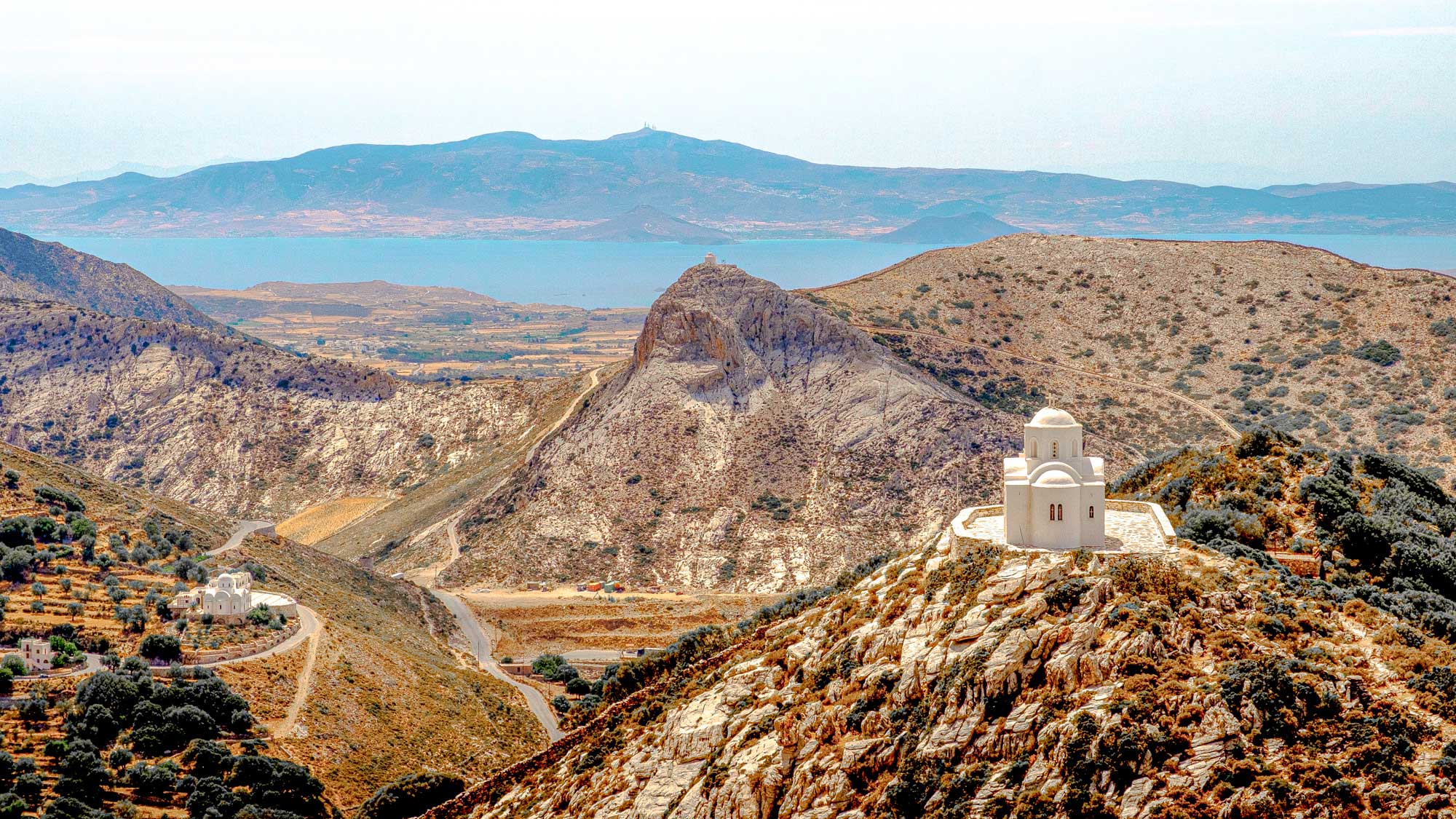
Paros lies at the geographic heart of the Cyclades, equidistant from Mykonos to the north, Santorini to the south and Athens to the west. Its position has made it the unofficial transport hub of the archipelago — almost every ferry that matters calls in at Parikia — but it has also given the island a particular character: outward-looking and well-connected. Drive across it and you find a landscape more varied than most of its neighbours: a coast of soft sandy bays, a verdant interior of olive groves and vineyards, mountain villages tucked into the folds of Profitis Ilias, and the white marble that has, for nearly three thousand years, defined the island’s name. 

What strikes most first-time visitors is the scale. Paros is large enough to absorb its summer crowds without ever feeling overrun, yet small enough to be navigated easily in a few days. The Cycladic light here is famous: bone-white at midday, honeyed at five, almost amber at sundown across the marble-paved squares. Paros carries its own reputation on the breeze: cool, calm and deeply soulful.   

PARIKIA AND THE CHURCH OF 100 DOORS

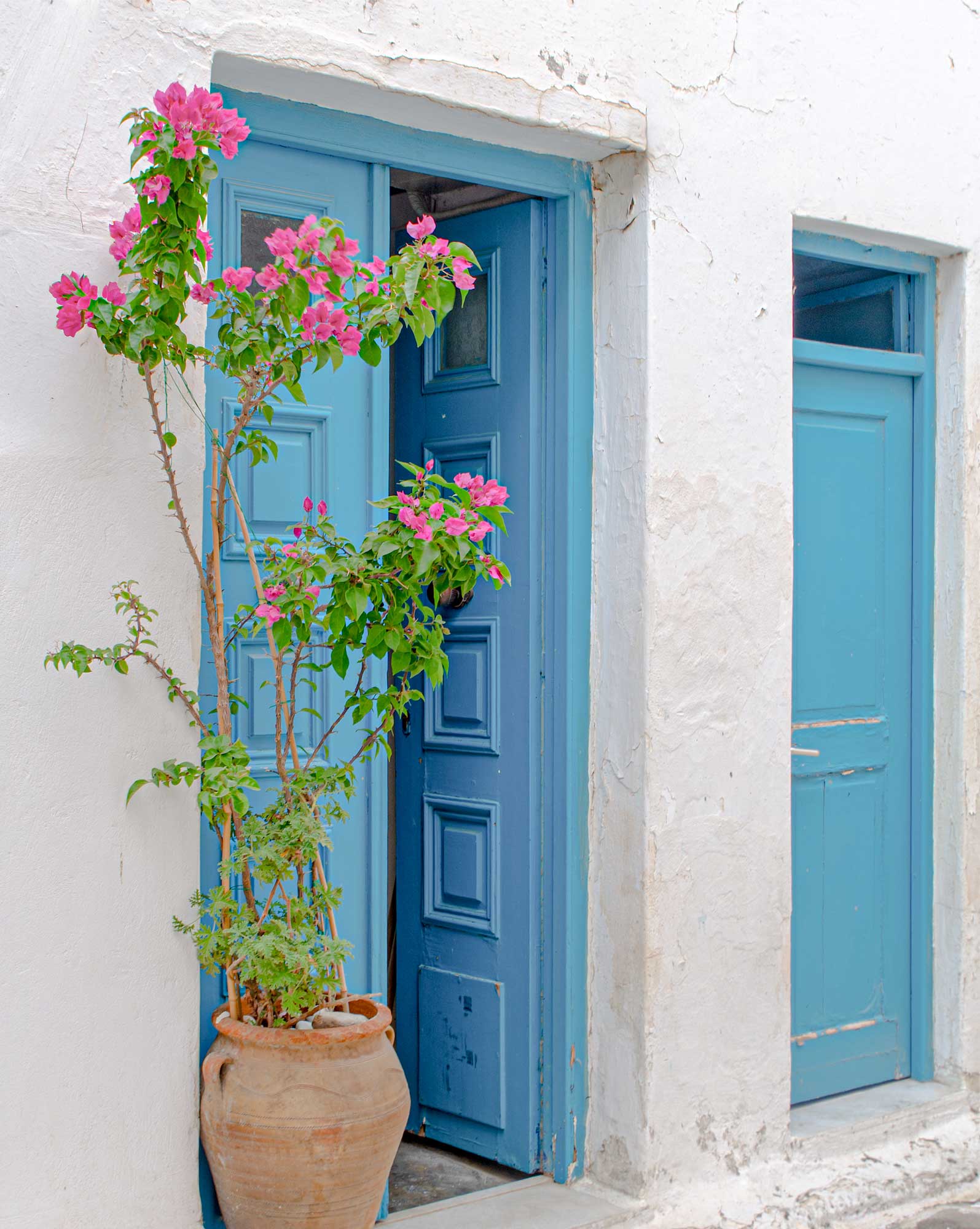
Most arrivals to Paros begin in Parikia, the island’s capital and main port on the west coast. It is a working harbour — the ferries from Piraeus and the wider Cyclades come and go all day — but step a hundred metres back from the quay, and you find one of the loveliest old towns in the Aegean: a maze of whitewashed lanes, blue-shuttered houses, bougainvillaea-draped doorways and small, boho shops. The waterfront buzzes gently in the early evening with the ritual of the Greek aperitivo; an hour later, the dinner tables behind it begin to fill. 

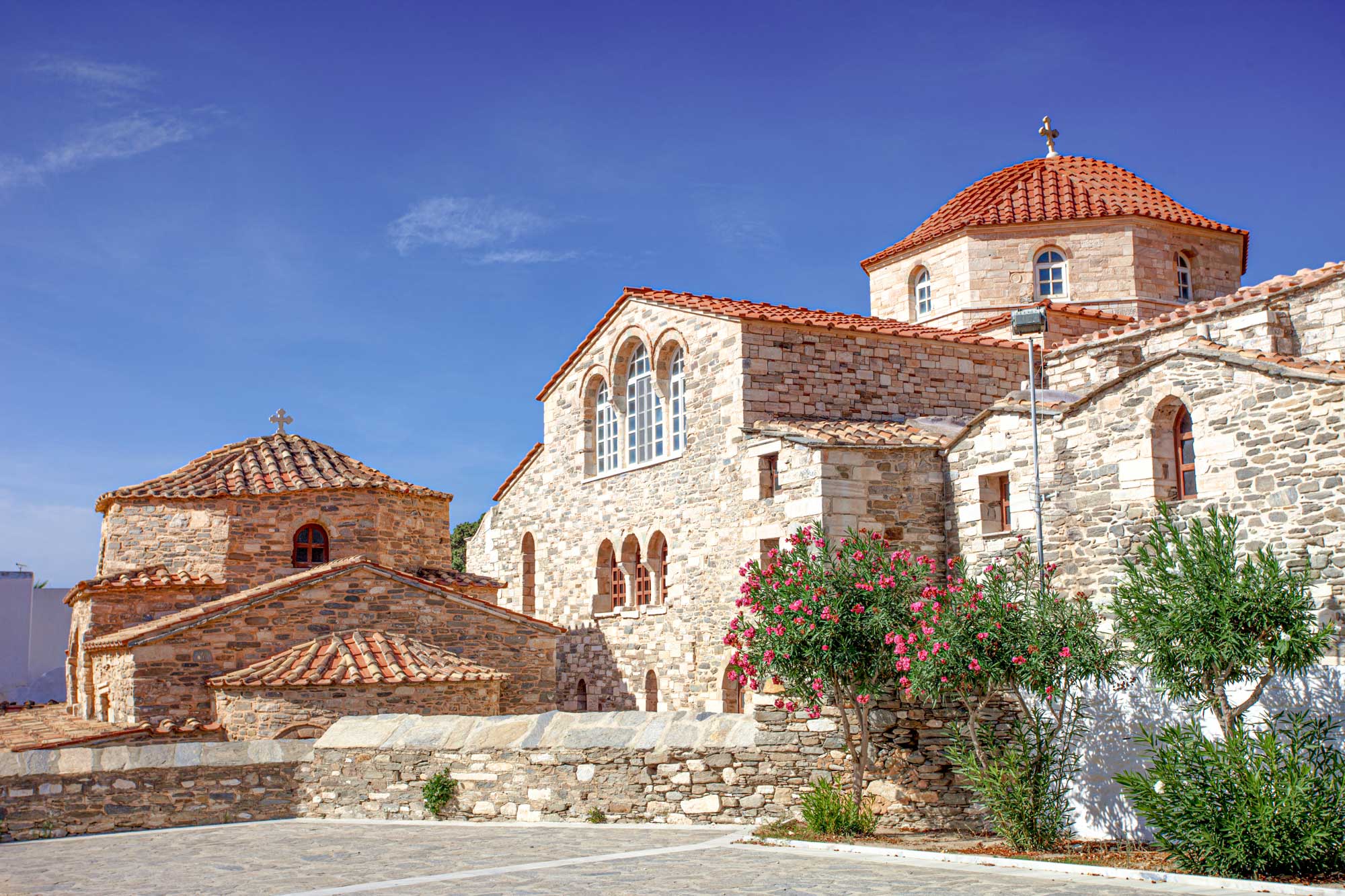
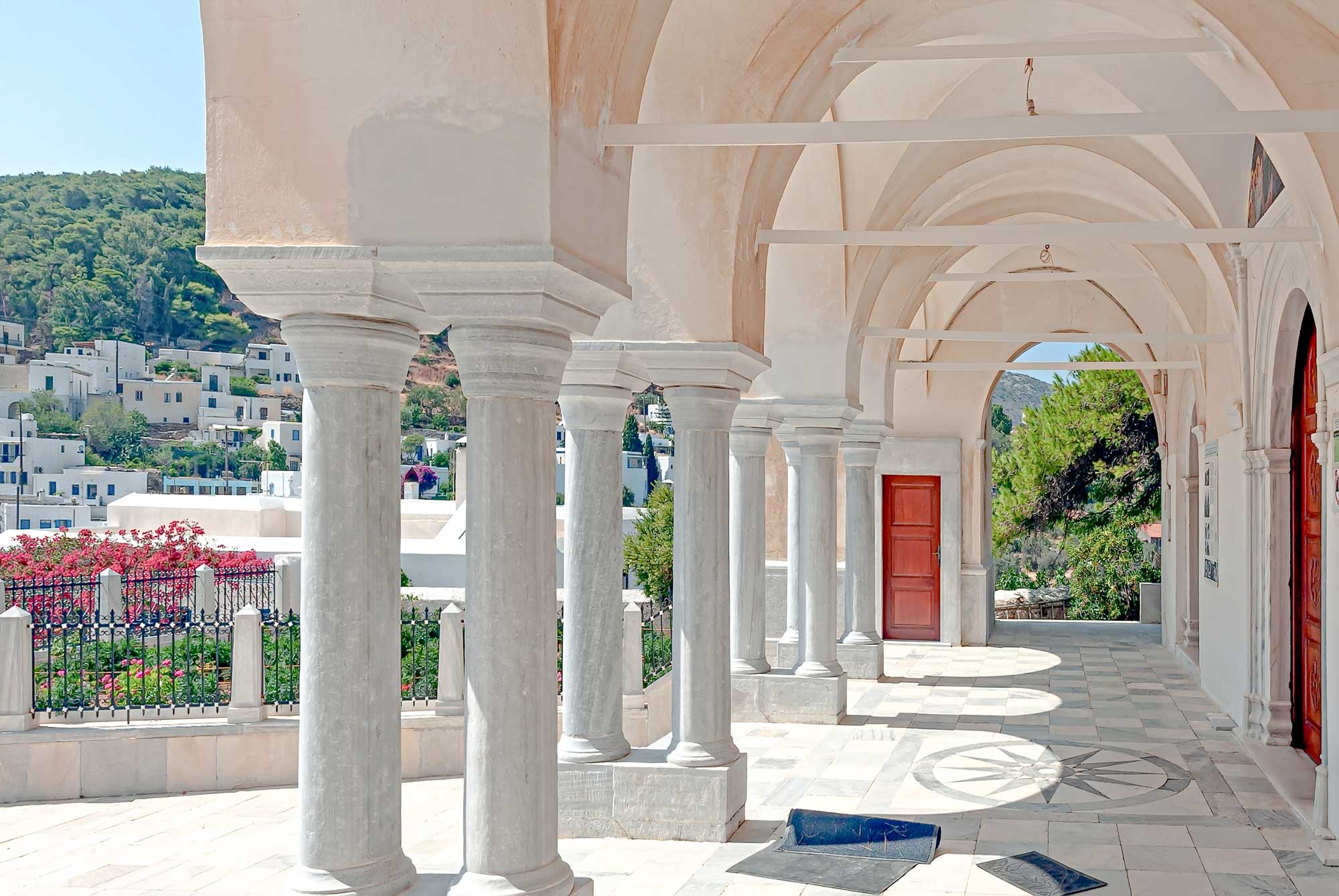
In the heart of the town stands one of Greece’s most important Byzantine monuments: Panagia Ekatontapyliani, the Church of 100 Doors. The site dates to the 4th century and is, by tradition, founded by Saint Helen — mother of the Emperor Constantine — who is said to have stopped on Paros during her pilgrimage to find the Holy Cross and vowed to build a church there. The structure as it stands today owes much to a 6th-century rebuilding under Justinian, and remains one of the best-preserved early Christian churches in the country. The name itself is a small mystery: there are not, in fact, a hundred doors, and the most likely etymology is a corruption of Katapoliani — the church of the lower town. Step inside, and the cool, marble-floored interior is a study in centuries of layered devotion. 

NAOUSSA, THE FISHING HARBOUR TURNED DESIGN DESTINATION

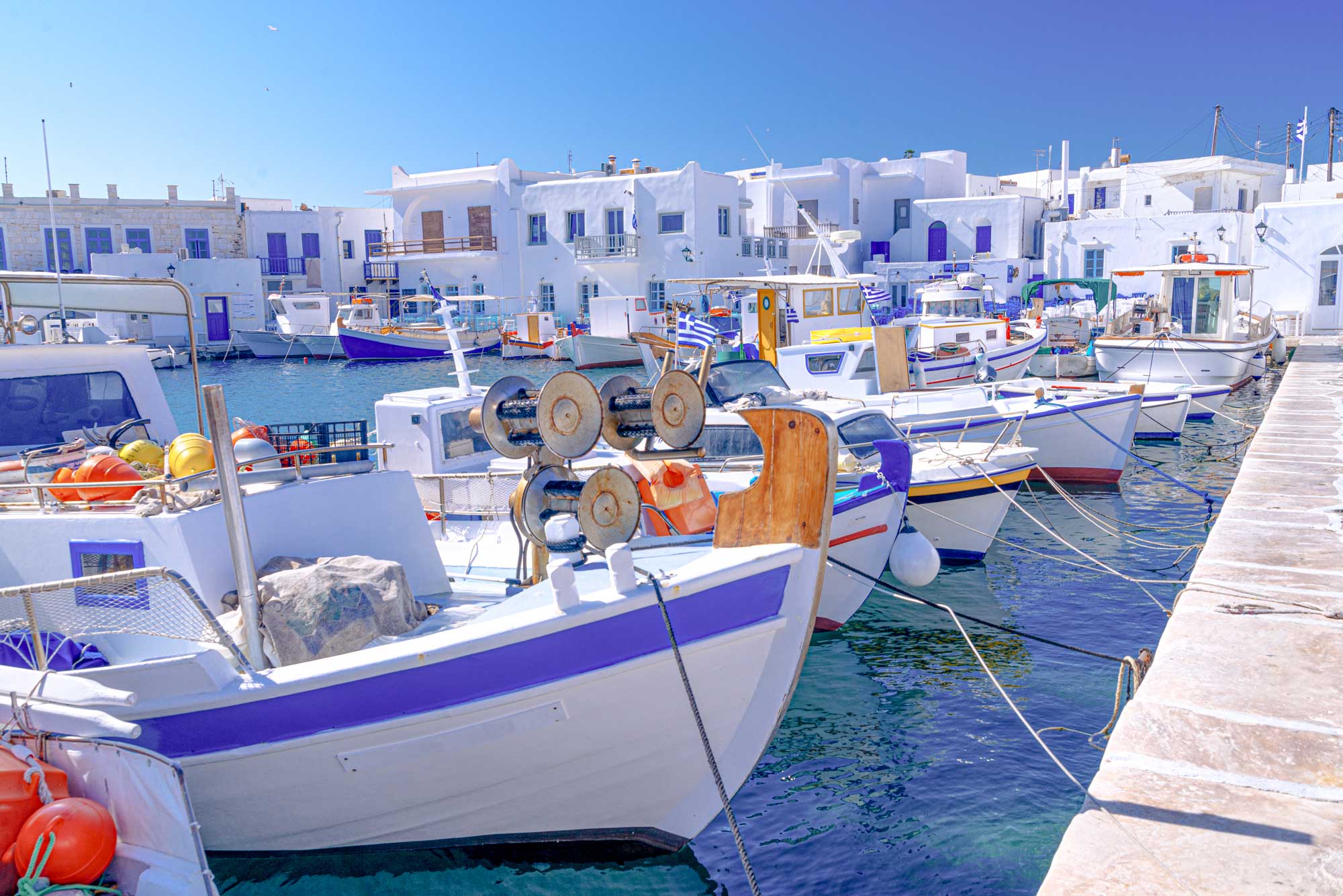
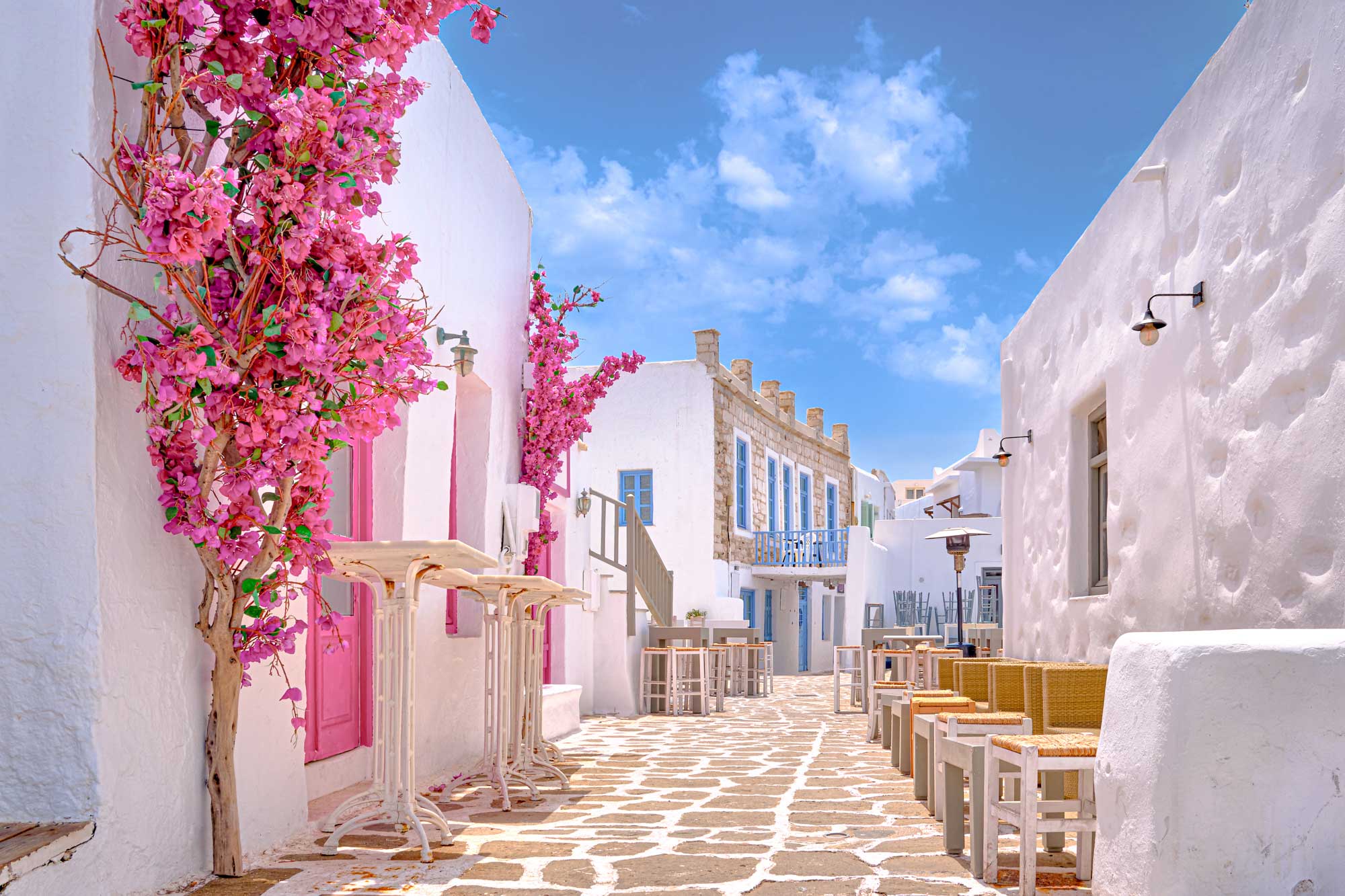
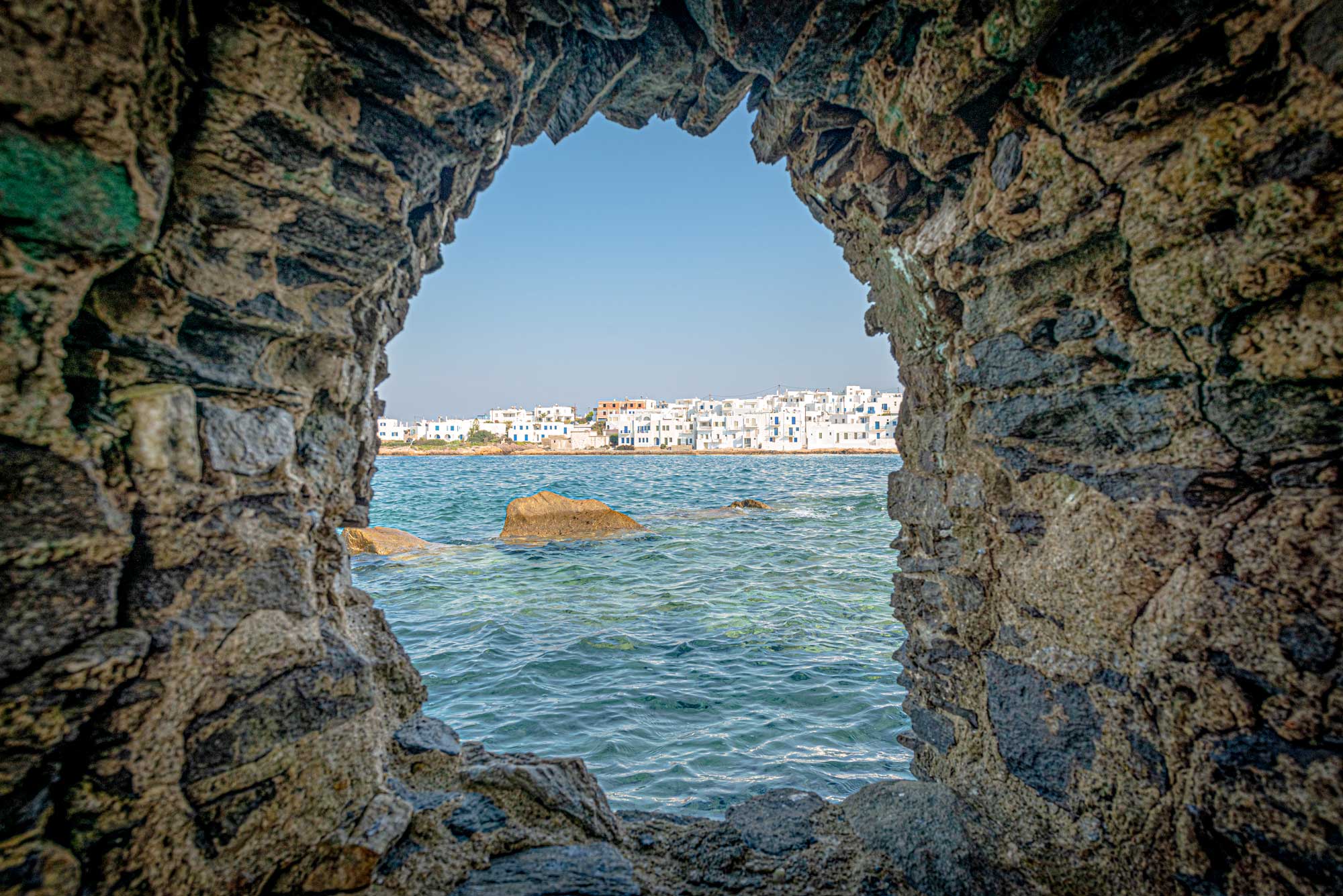
If Parikia is the practical heart of Paros, Naoussa is its most photographed face. A small, whitewashed fishing village on the north coast, gathered around a horseshoe harbour where the wooden caïques still tie up alongside the restaurant tables, it has, over the past two decades, quietly become one of the most stylish addresses in the Cyclades. 

The harbour is the obvious draw. Barbarossa, open since the 1960s and named for the Ottoman corsair who once raided this coast, sits with its tables almost in the water and has long been the locals’ choice for a fish lunch with the boats drifting past. Mario is the slightly more refined evening option, often cited as one of the best kitchens in the harbour and a fixture of any longer stay. Just outside the village, Siparos takes a more elevated approach — open-air terrace, Aegean views, imaginative seafood — while in the cobbled back lanes, Soso has built a quiet reputation for high-quality Greek fusion at honest prices, away from the harbourside crowd. Up on the hill east of town, Tao’s is a different proposition again: an Asian restaurant inside a yoga and meditation retreat, set on a panoramic terrace with one of the most beautiful views on the island. 

LEFKES AND THE MOUNTAIN INTERIOR

To understand the older Paros — the one that existed long before the harbours filled with summer yachts — you need to climb inland. Lefkes, tucked into the verdant hills at the centre of the island, was built deliberately away from the coast in the 17th century as a refuge from the pirates who plagued the Aegean. The village remains one of the most beautiful in the Cyclades: a tumble of neoclassical mansions, marble-paved lanes, bougainvillea-draped squares and small, dimly-lit tavernas where the thick stone walls keep the interior cool even at the peak of August. 

From Lefkes, the old Byzantine Path — a marble-paved donkey track that once linked the village to the port at Piso Livadi — winds gently down through the hills to Prodromos and Marpissa, two smaller villages that share the same hushed, marble-paved beauty but see a fraction of the visitors. Marpissa, set on the hill of Kefalos in the east, is among the oldest settlements on the island. The path ends at Piso Livadi, the historic port of Marpissa, now a small fishing harbour with a string of tavernas and a sheltered bay for an end-of-walk swim.  

THE BEACHES 

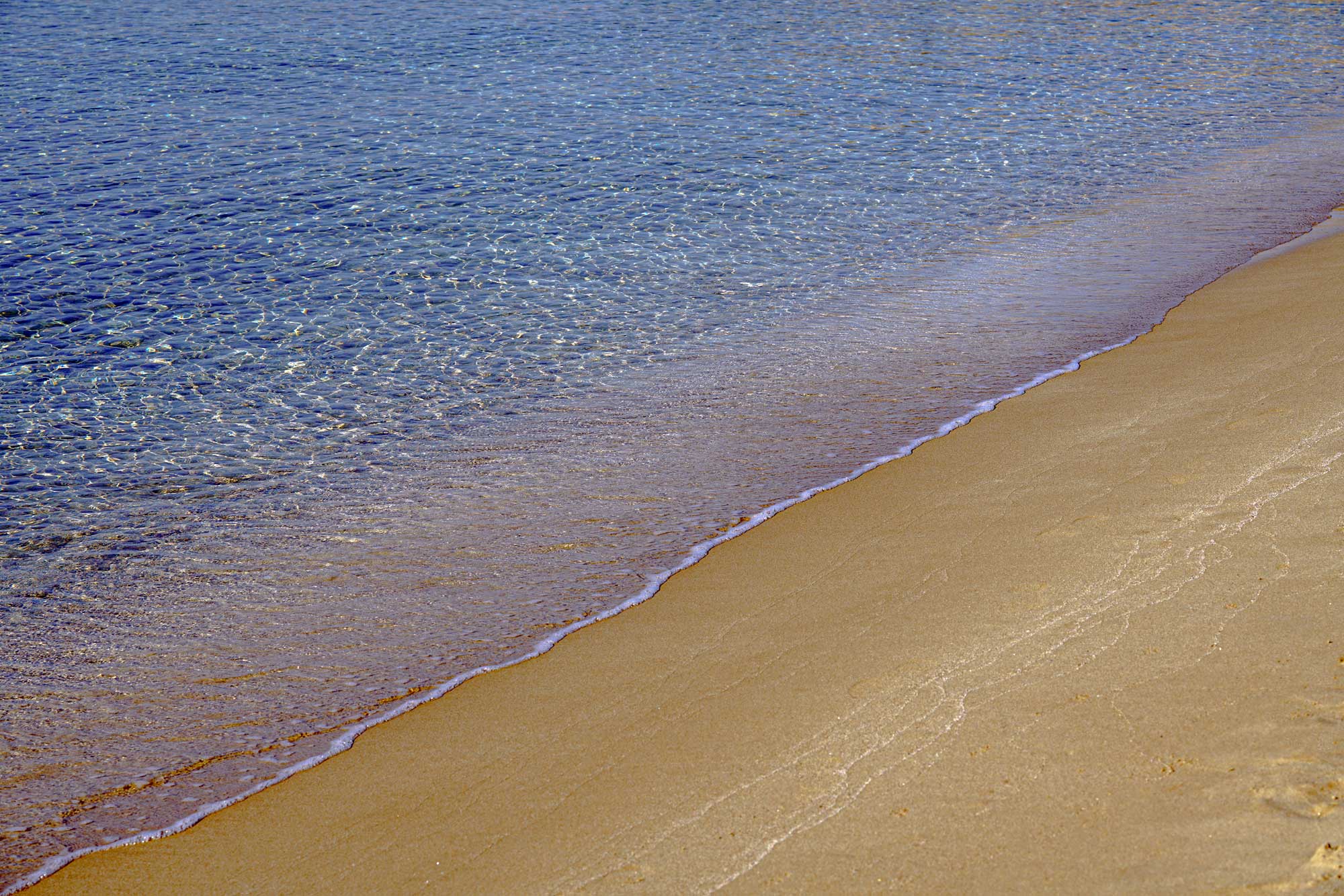
Paros has one of the most varied coastlines of any island in the Cyclades, and a beach for almost every mood. On the north coast, around Naoussa, Kolymbithres is the most distinctive: a series of small sandy coves separated by wind-sculpted granite boulders, with shallow turquoise water that makes it a favourite with families. Monastiri, tucked beneath a whitewashed monastery on the next headland and now part of the Environmental and Cultural Park of Paros, is one of the loveliest swims on the island. Santa Maria, a long sweep of pale golden sand on the north-eastern tip, is the social option — beach bars, watersports and an easy summer rhythm. 

Closer to Parikia, Marcello offers a long expanse of soft sand and noticeably cooler water — fed, the islanders say, by underground springs — with a fine view across the bay back to town. On the south coast, Faragas is the connoisseur’s choice: a sheltered bay of clear, calm water, framed by low rocky headlands and reached by a quiet road through the hills. And on the windward east coast, Golden Beach (Chrysi Akti) is the windsurfing heartland of Greece, stretches of golden sand, reliable summer meltemi, and a string of surf clubs that have made Paros a place of pilgrimage for windsurfers and kitesurfers from across Europe. Neighbouring Pounda takes up the slack with its own international kitesurfing scene. 

FOOD AND THE TABLE  

Paros has become one of the most interesting places to eat in the Cyclades. The island’s cuisine still runs on the old foundations — slow-cooked goat, sun-dried tomatoes, salted Parian cheese, local capers, fish brought in that morning — but a generation of ambitious kitchens has elevated those ingredients into something that holds its own with the best of Mykonos or Athens. The harbour at Naoussa is the most visible stage for this, but the scene is spread across the island, from waterfront fish kitchens in Piso Livadi to courtyard tavernas in Lefkes and the small wine bars of Parikia. 

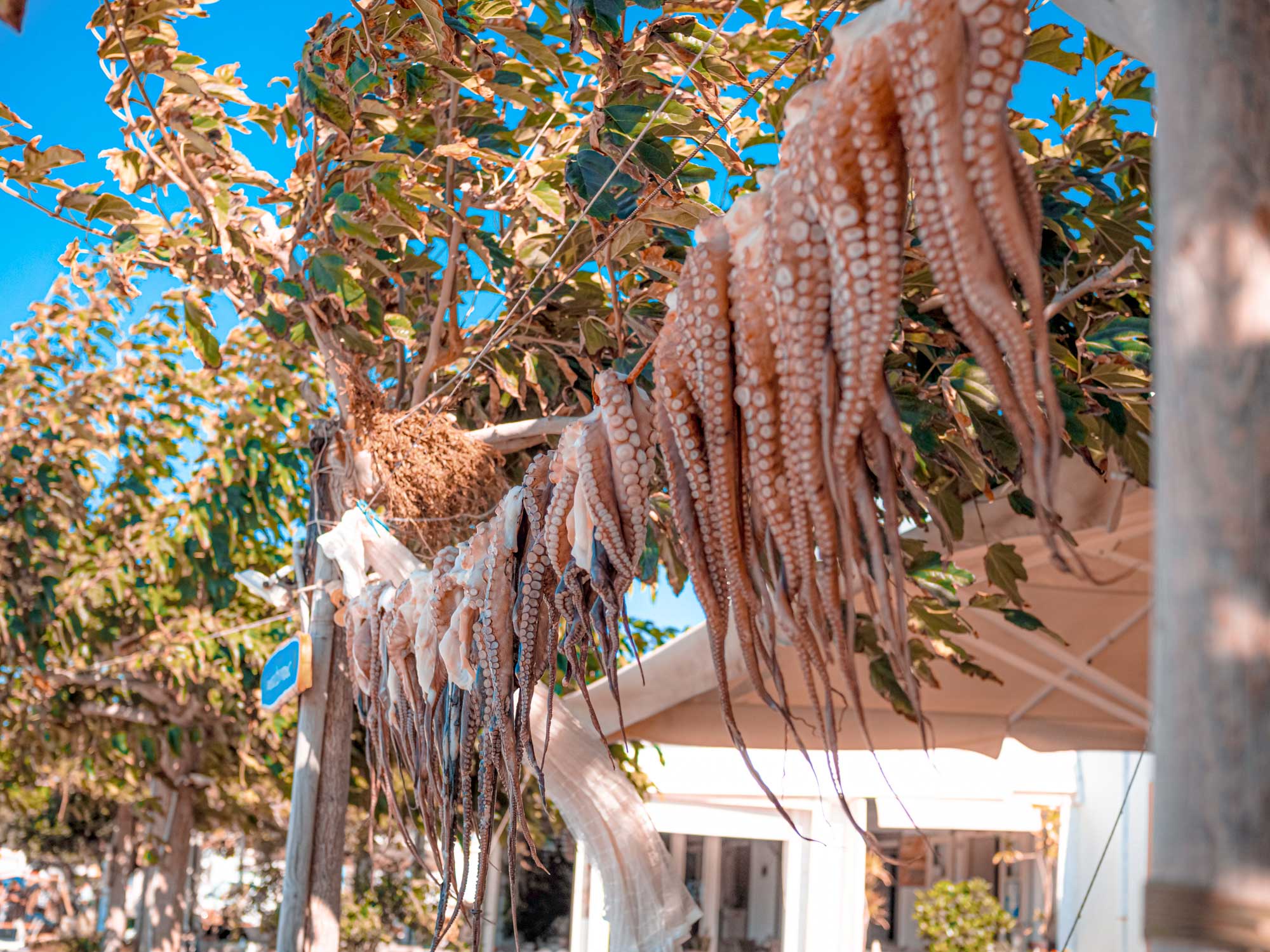
What sets the Paros table apart is its breadth. You can eat a perfect, unfussy plate of grilled octopus and a half-litre of house white at a harbourside taverna for the price of a starter elsewhere; you can also book a degustation evening at a hillside terrace whose ambition would not feel out of place in a European capital. The island’s small wineries — Paros is one of the historic wine-producing islands of the Aegean, with its own protected appellation for the local Mandilaria and Monemvasia grapes — give the wine lists an unusual local depth.  

THE MARBLE HERITAGE  

Paros has lent its name to one of the most prized materials in the history of Western art. Parian marble — fine-grained, semi-translucent, almost luminously white — was quarried here from at least the 6th century BC and used for some of the greatest sculptures of antiquity: the Venus de Milo, the Winged Victory of Samothrace, the Medici Venus, the Hermes of Praxiteles. Some scholars estimate that as much as three-quarters of the sculpture produced in ancient Aegean was carved from stone taken out of this island. 

The ancient quarries themselves still survive, at Marathi in the centre of the island — a series of underground galleries where the purest and most translucent variety, known as lychnites (so called because it was worked by lamplight), was extracted. The site is freely accessible: you can walk into the tunnels, see the chisel marks of ancient hands, and understand at a glance what made this stone so prized. The quarries had a brief revival in the 19th century, when a French company supplied Parian marble for the construction of Napoleon’s tomb at Les Invalides in 1844 — a small footnote that still draws French visitors to Marathi today. The marble-paved lanes of Lefkes, Prodromos and Marpissa are a living legacy of the same tradition: the island, quite literally, walks on its own stone.

WHEN TO VISIT  

Paros is at its most luminous between mid-May and mid-October. July and August bring the meltemi wind — a gift to windsurfers and the busiest weeks of the season; the island absorbs extra visitors well, but the Naoussa restaurants book up. June and September are arguably the loveliest months: warm settled weather, a sea that still holds the summer’s heat, fewer crowds, and the full run of restaurants and beach clubs open. May and October are quieter again, perfect for walkers and those who prefer to have the marble villages largely to themselves. Easter on Paros, which falls in March or April, is one of the most atmospheric weeks in the Greek calendar — candlelit processions, midnight services, long communal feasts — and worth planning a trip around if the dates allow. 

GETTING HERE

Paros is one of the easiest of the Cyclades to reach. The Paros National Airport (PAS), about 10 kilometres south of Parikia at Kampos, takes domestic flights from Athens in around 40 minutes, with multiple daily services in high season. Most international visitors fly into Athens and take the ferry from Piraeus to Parikia — a journey of around 2 hours 40 minutes on a high-speed ferry, or roughly four to five hours on a conventional vessel, with up to six sailings a day in summer. From Paros, the island is the natural hub for hopping further: Mykonos is 35 minutes to two and a half hours away by ferry, Santorini a comparable run to the south, and Naxos a short half-hour skip across the channel. The tiny island of Antiparos, a five-minute car ferry from Pounda on the south-west coast, is the natural pairing for a longer stay; the western Cyclades of Sifnos and the high drama of Santorini are both within easy reach for an island-hopping week. 

PAROS WITH VILLA COLLECTIVE

We choose our villas on Paros for the same qualities that define the island itself: a sense of place, an understated style and a setting that stands alone. Some sit on the hills above Naoussa with sweeping views over the harbour; others perch above the quiet bays of the south or tuck into the marble-paved lanes of Lefkes. All come with the support of the Villa Collective team who know the island intimately — who can book the right corner table at Mario, arrange a private boat day around the bays beyond Kolymbithres, organise a windsurfing morning at Golden Beach, or simply point you to the back-lane taverna in Marpissa that you would not otherwise find. To begin planning, explore our collection of villas on Paros or our wider portfolio across the islands of Greece 

EXPLORE THE JOURNAL

DISCOVER MORE

A villa for every occasion Finding the perfect villa that suits a large group is the first step in making sure your celebration sings. We can match you with the ideal property for your party, plan all the big and little details ensuring your occasion rises far beyond expectations. Read our recommendations for big gatherings.
Greece: on page and screen The wild beauty of Greece has appeared in countless works of film and fiction. We’ve pulled together some of its most iconic roles.