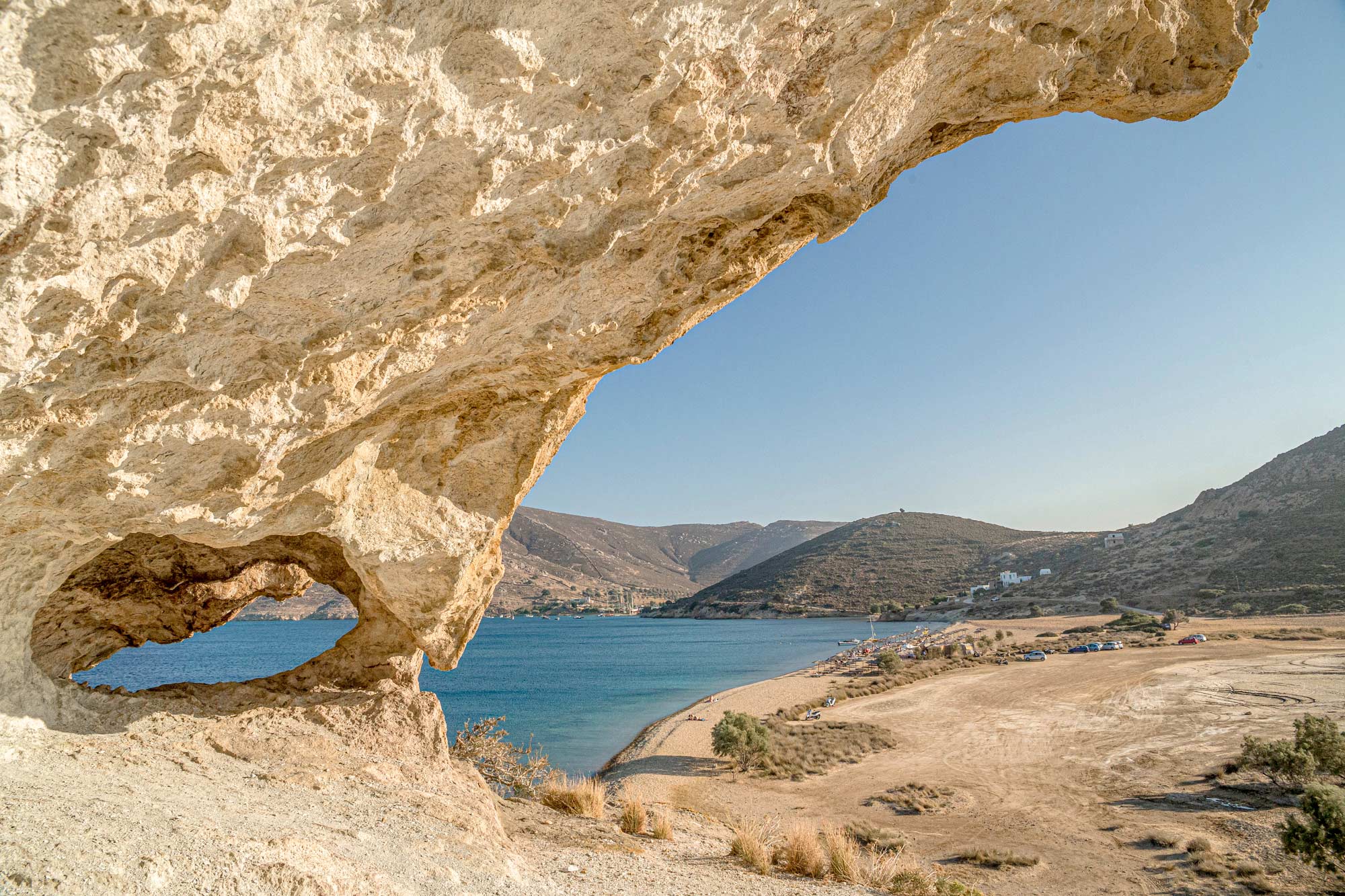
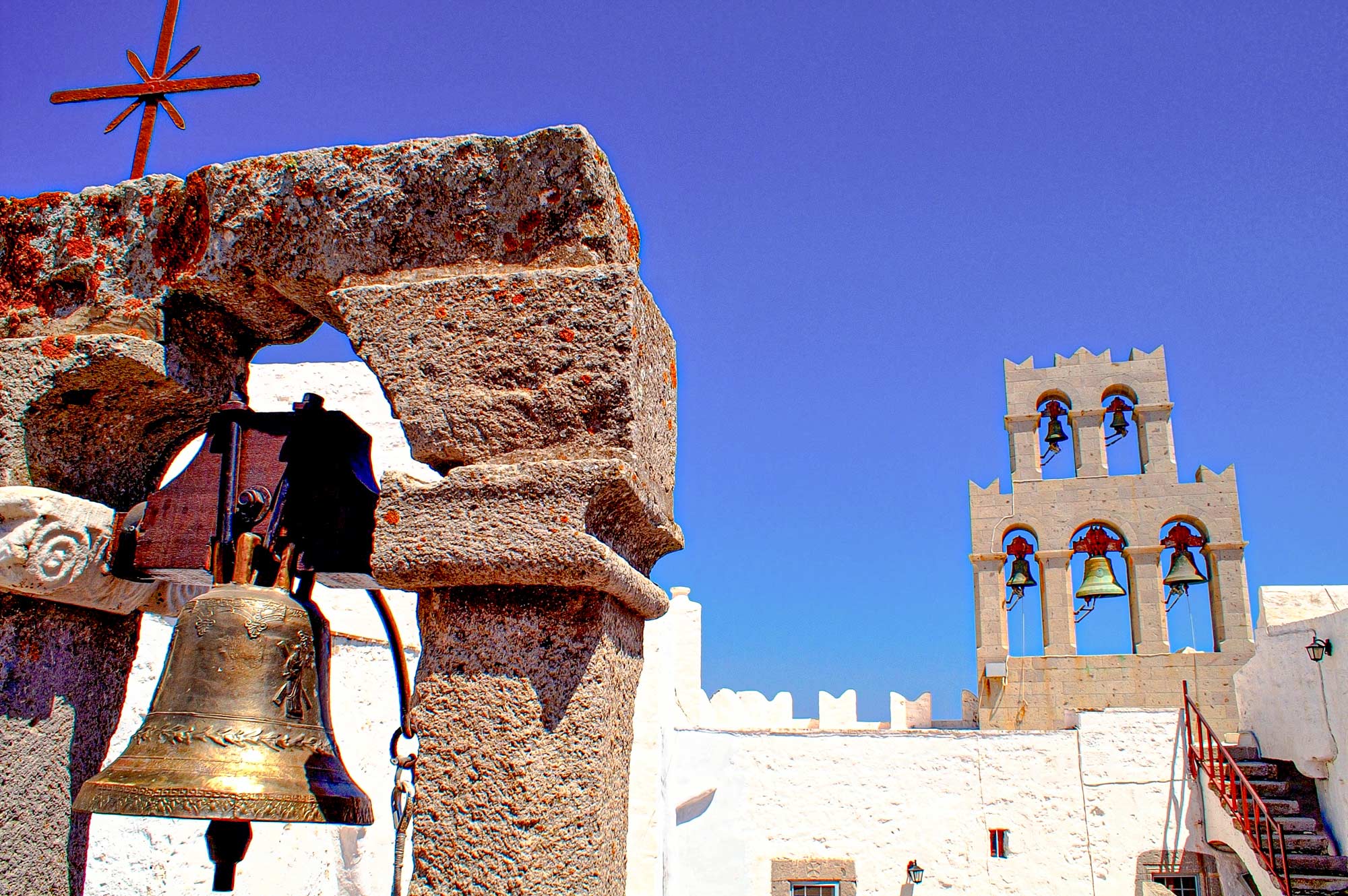
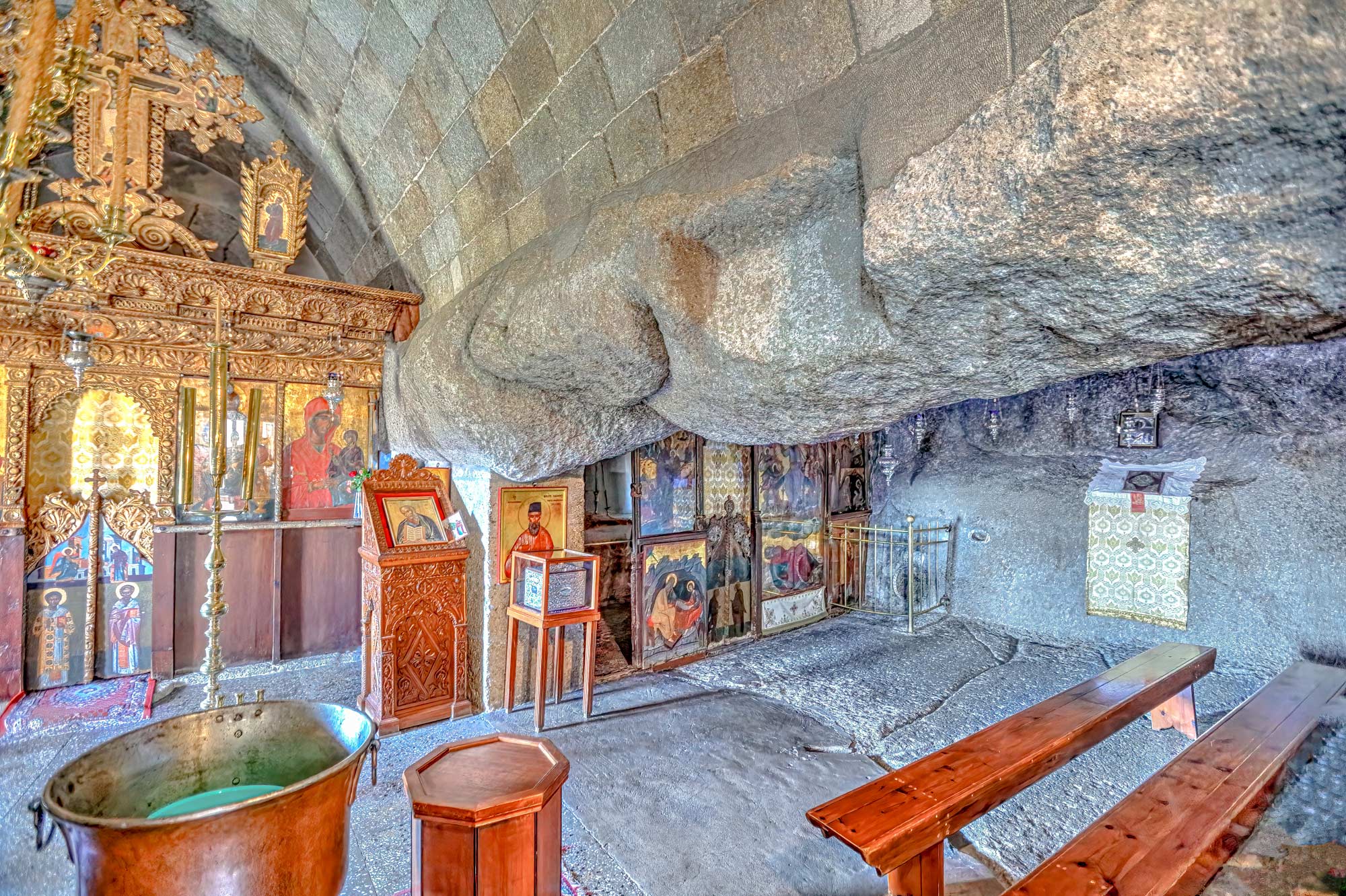
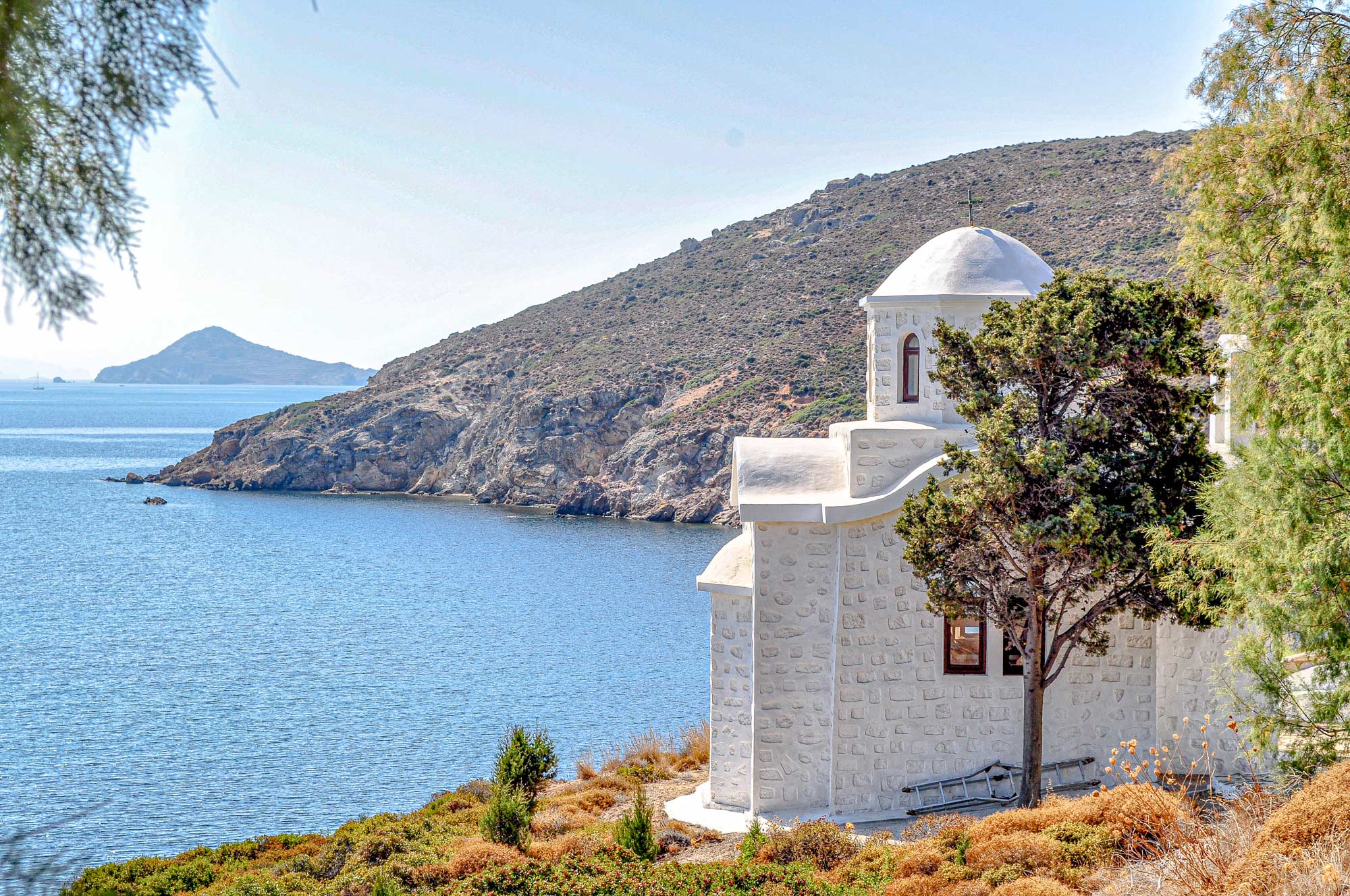
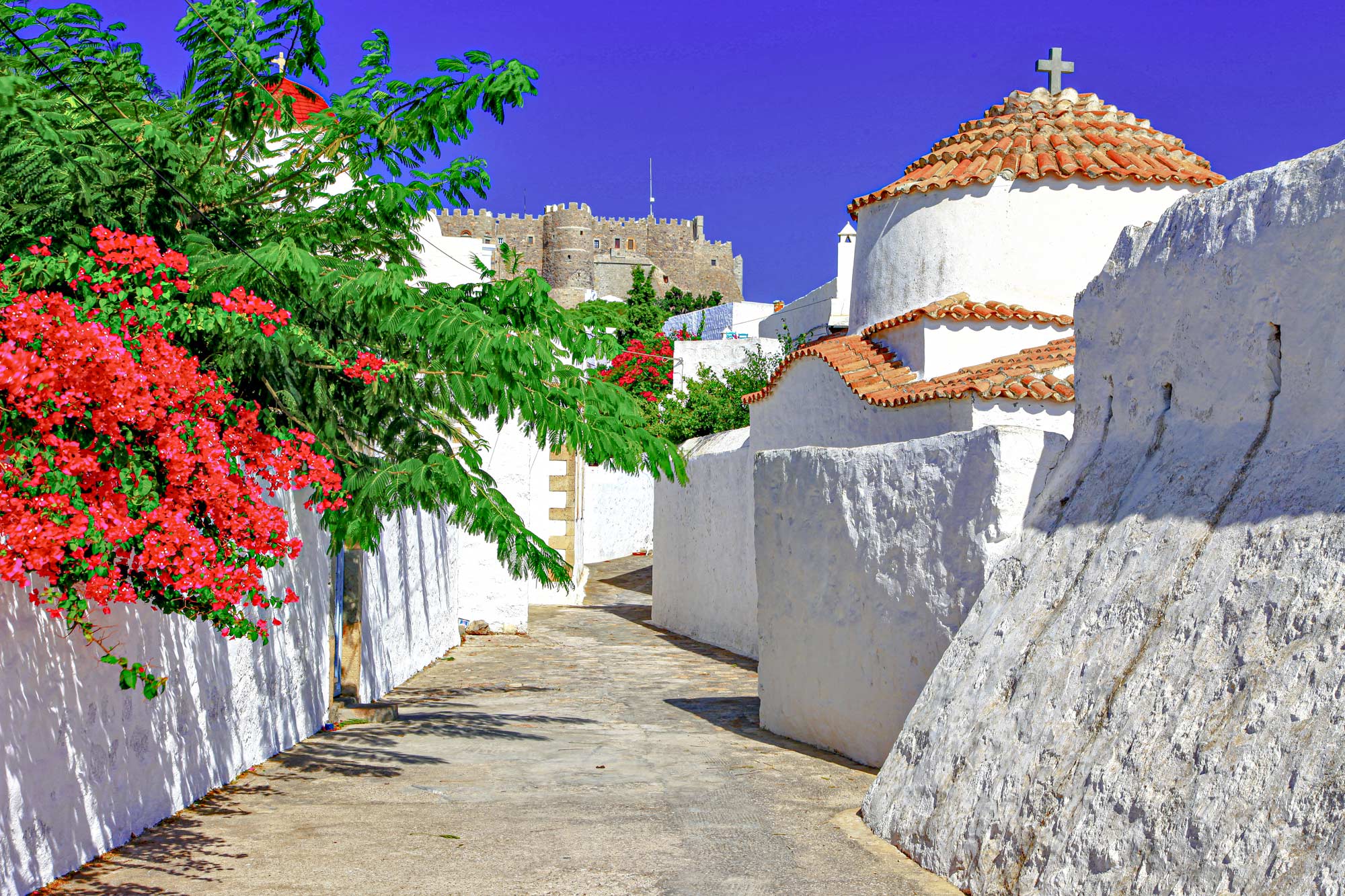
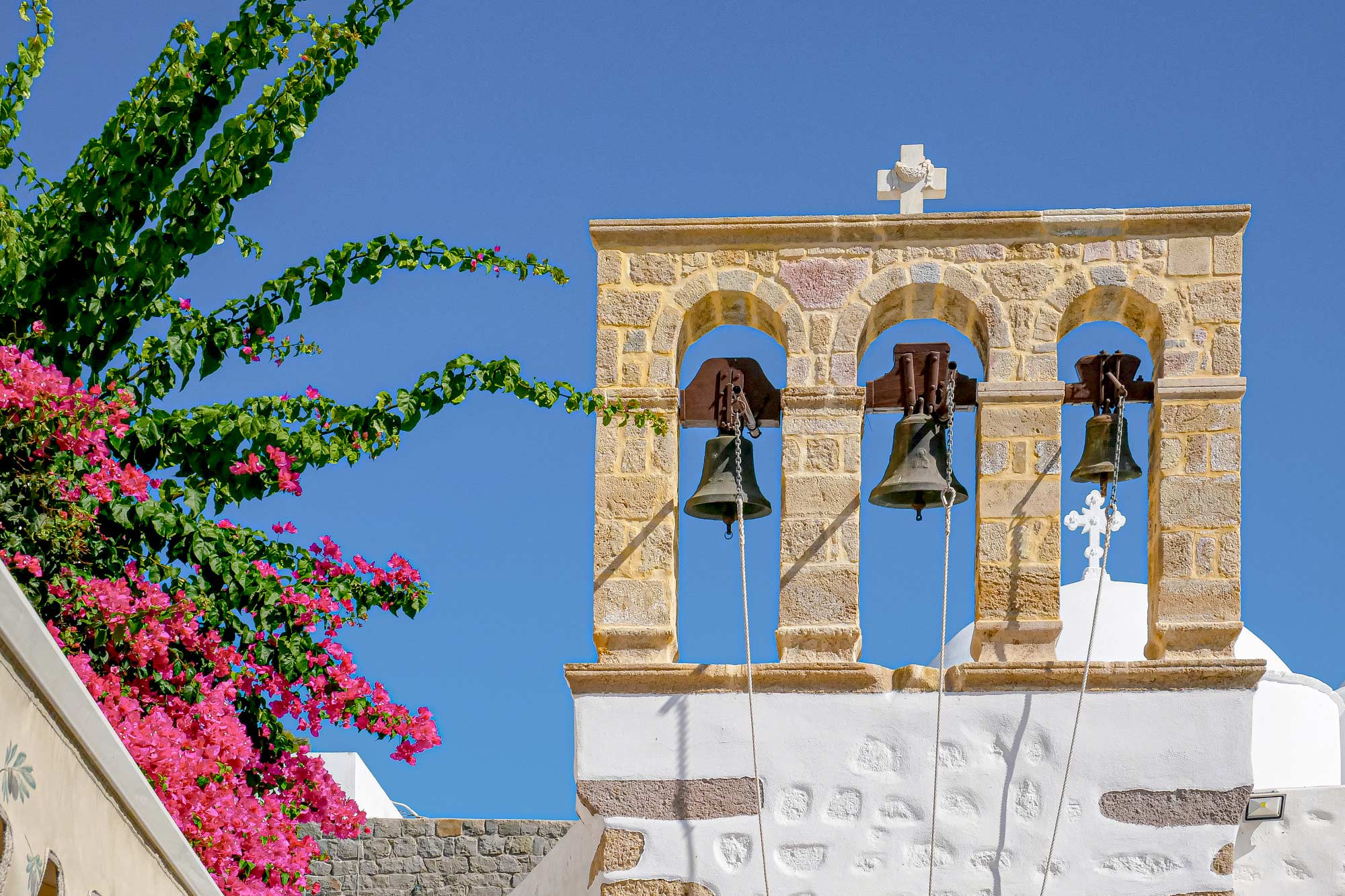
A fortress monastery crowning a whitewashed medieval town, the cave where The Book of Revelation was written, and a scatter of quiet beaches reached by footpath and boat: a portrait of the Dodecanese Island that has stayed holy, hushed and quietly beloved.
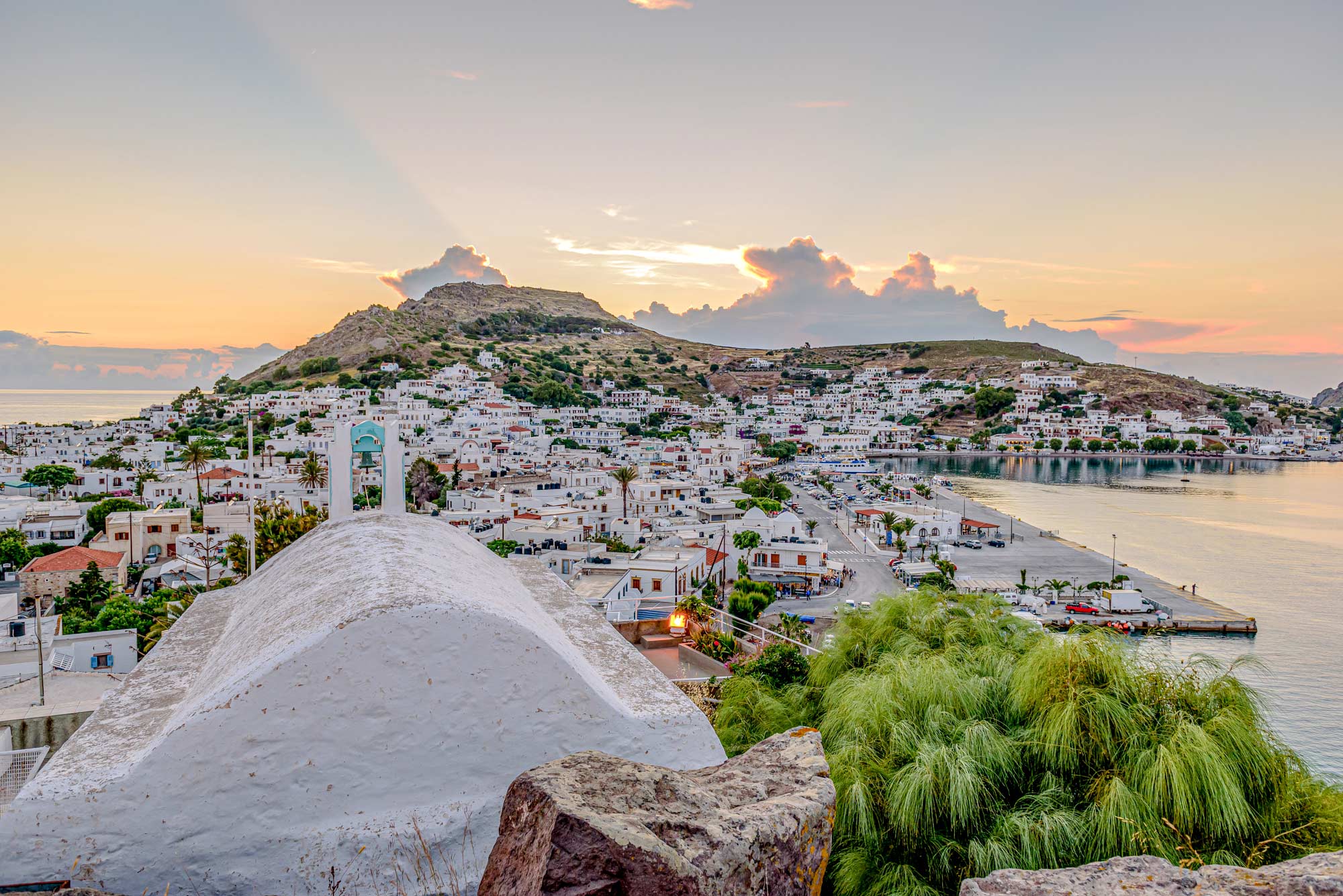
Patmos does understatement very well.. It rises from the eastern Aegean as a bare, indented rock of grey-gold hills, and only as the ferry rounds the headland does the whitewashed town of Chora appear, gathered around the dark walls of its monastery like a village sheltering under a castle. This is one of the smaller and more remote of the Dodecanese, closer to the coast of Turkey than to Athens, and it has never had an airport, which adds to its feel of seclusion.h What Patmos has is a singular gravity: it is the island where, tradition holds, Saint John received and wrote down the Book of Revelation, and it has been a place of Orthodox pilgrimage and learning for the better part of a thousand years.
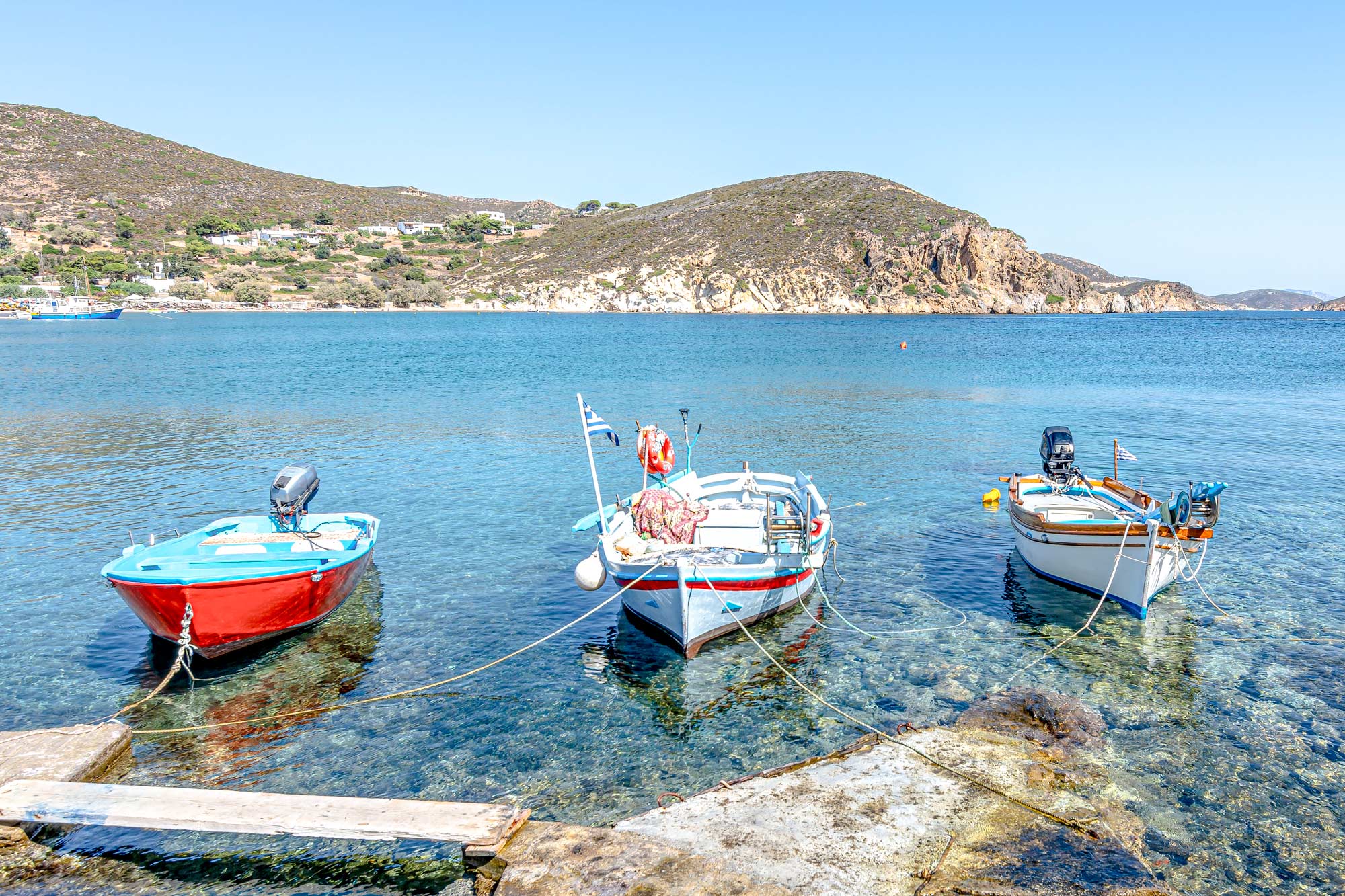
That weight of history sits lightly, though. Alongside the pilgrims and the monks, Patmos has long drawn a discreet, cultured international set who come for the island’s simple pleasures: white, cobbled lanes, blue water, and the slow pace of the days.