Watamu Guide: Marine Park, Gedi Ruins & Swahili Coast

Tucked beneath a low headland between the Blue Lagoon and Watamu Bay, an hour and a half north of Mombasa and a short drive south of Malindi, the village of Watamu sits at the centre of one of the most protected pieces of ocean in East Africa. A barrier reef runs 300 metres offshore, holding a turquoise lagoon between itself and the sand; behind the village, a tidal creek threads inland through mangroves and dissolves, eventually, into Africa’s largest coastal forest.  

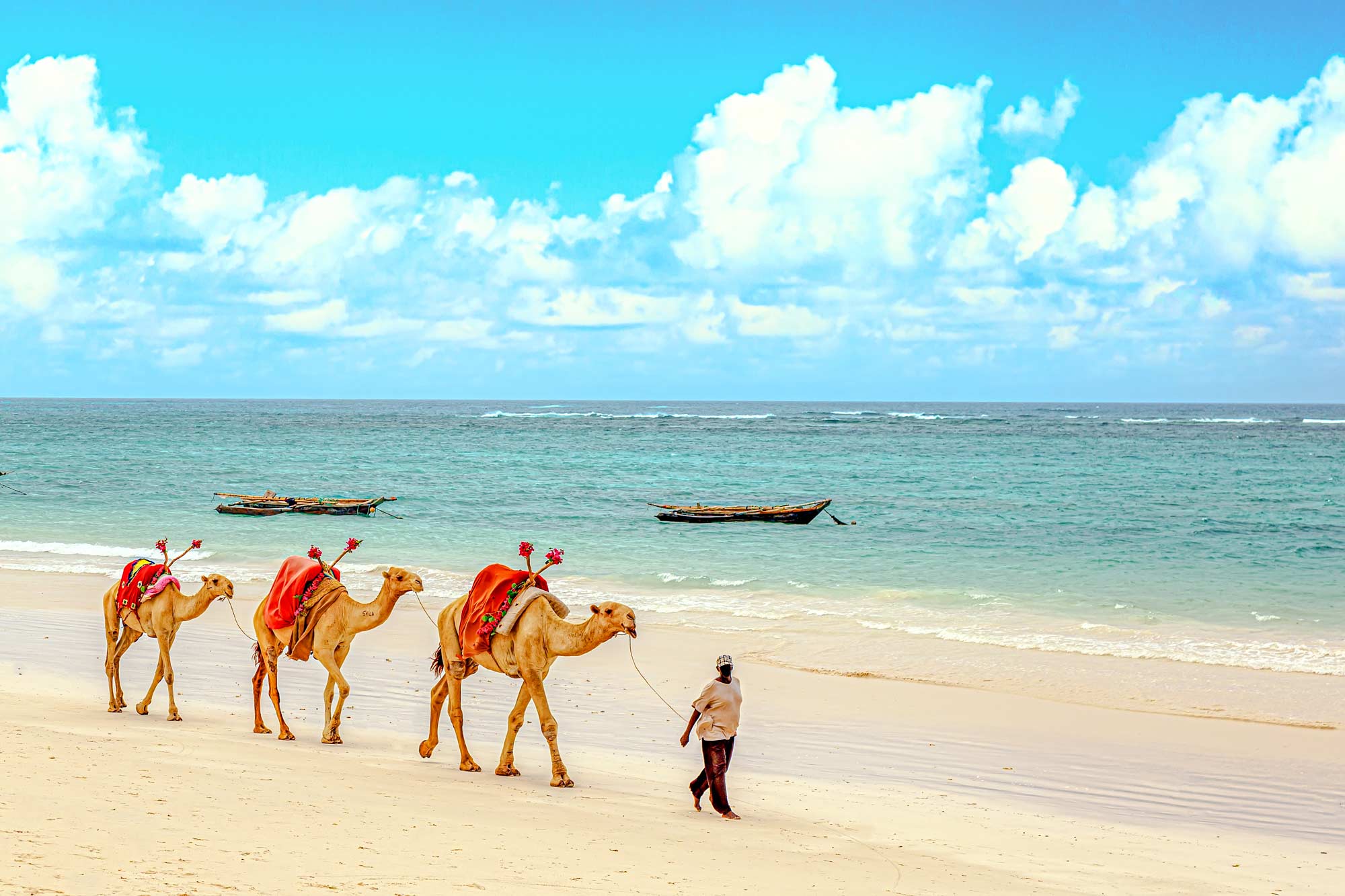
We love the pace of Watamu. Mornings begin with a long walk on white sand, the reef breaking softly in the distance; afternoons disappear into the shaded calm of a creekside bar, or into the cool air of a forest path with the call of unfamiliar birds overhead. Evenings build slowly; a sundowner watching the sun dip behind the mangroves followed by a long-table dinner of grilled fish and homemade pasta in a fragrant garden. The Swahili rhythm here is reflected in its famous saying: pole pole, meaning slowly, slowly, dictating how Watamu should be experienced. 
A COASTLINE OF WHITE SAND, TIDAL POOLS AND REEF

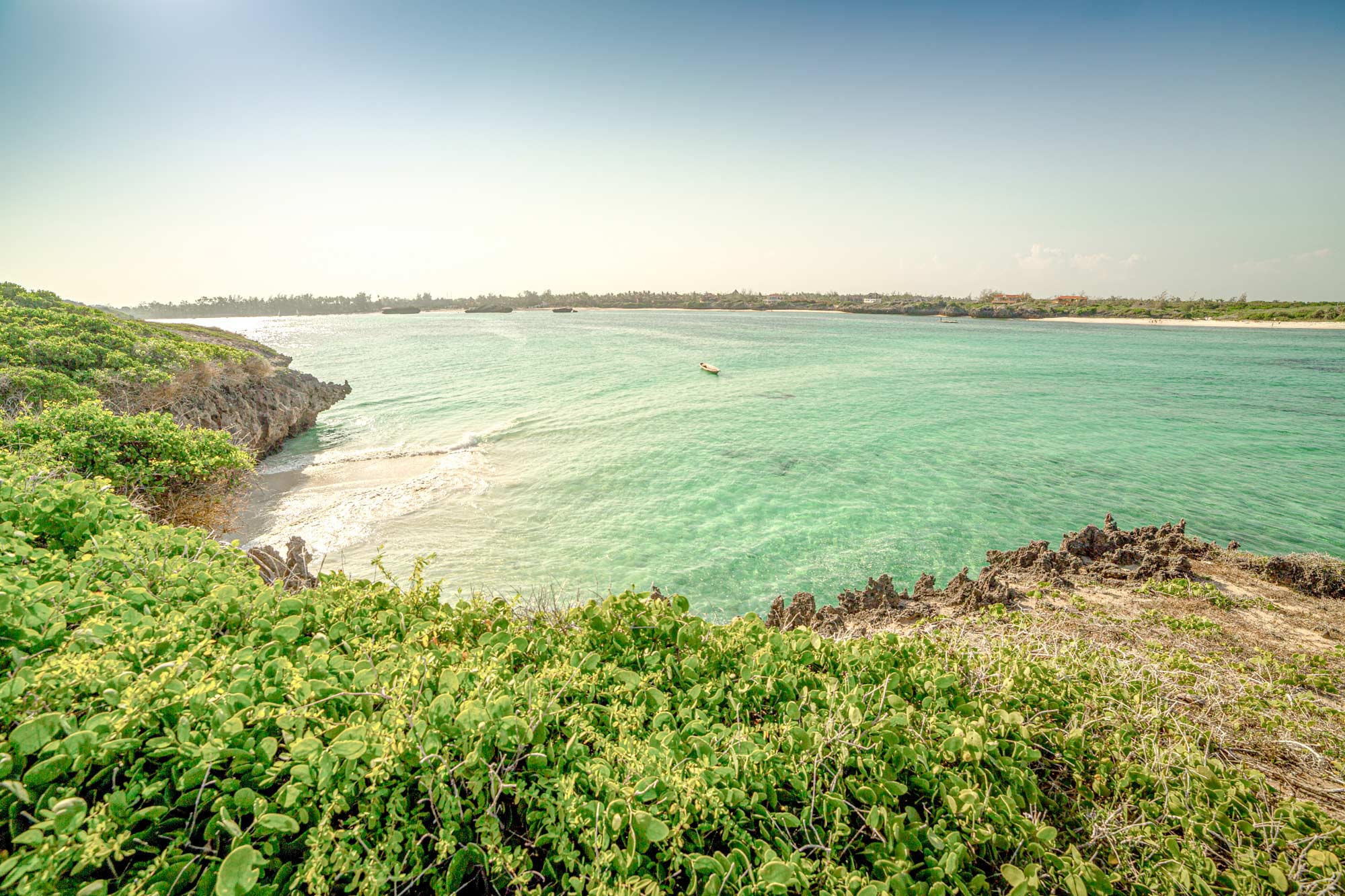
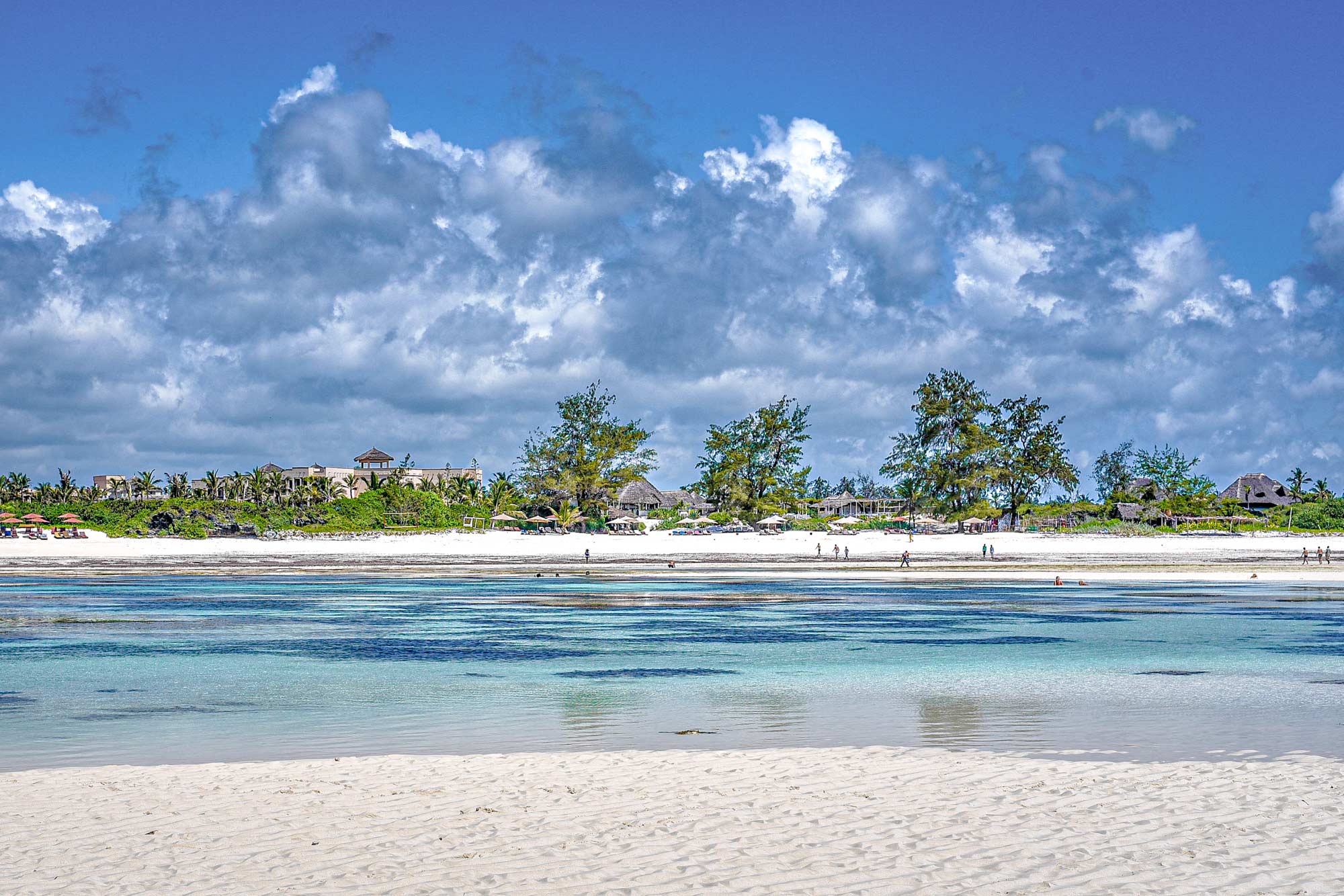
Watamu sits on a small headland on the central Kenyan coast, around 105 kilometres north of Mombasa and 15 kilometres south of Malindi. The village fronts a series of small white-sand bays divided by low coral outcrops — Garoda, Turtle Bay, Jacaranda and the Blue Lagoon — each with a slightly different character, and each holding water of iridescent clarity. The barrier reef sits 300-metres offshore, holding back the open Indian Ocean and creating a long, sheltered lagoon between sand and coral. 

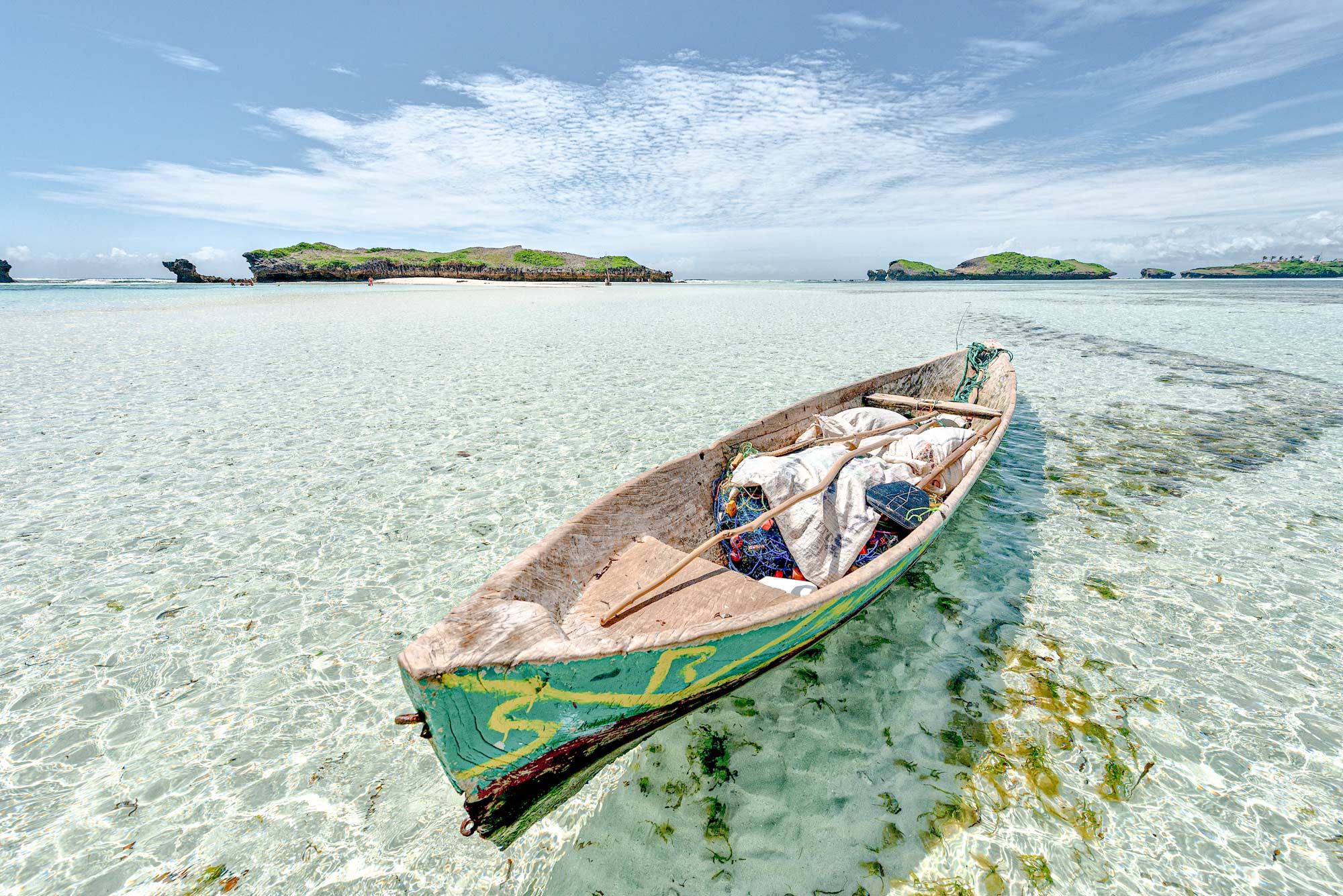
At low tide the sea retreats astonishingly far. Pale sand flats appear where there was water an hour before, dotted with shallow pools that warm in the sun and fill with small fish, hermit crabs and the occasional starfish; you can walk out almost to the reef line on foot. At high tide the lagoon fills again and the headland turns from coral grey to brilliant blue. Living by this rhythm — knowing when to swim, when to walk, when to sit and watch — is one of the small pleasures of a week in Watamu. 

THE MARINE PARK AND THE REEF BEYOND

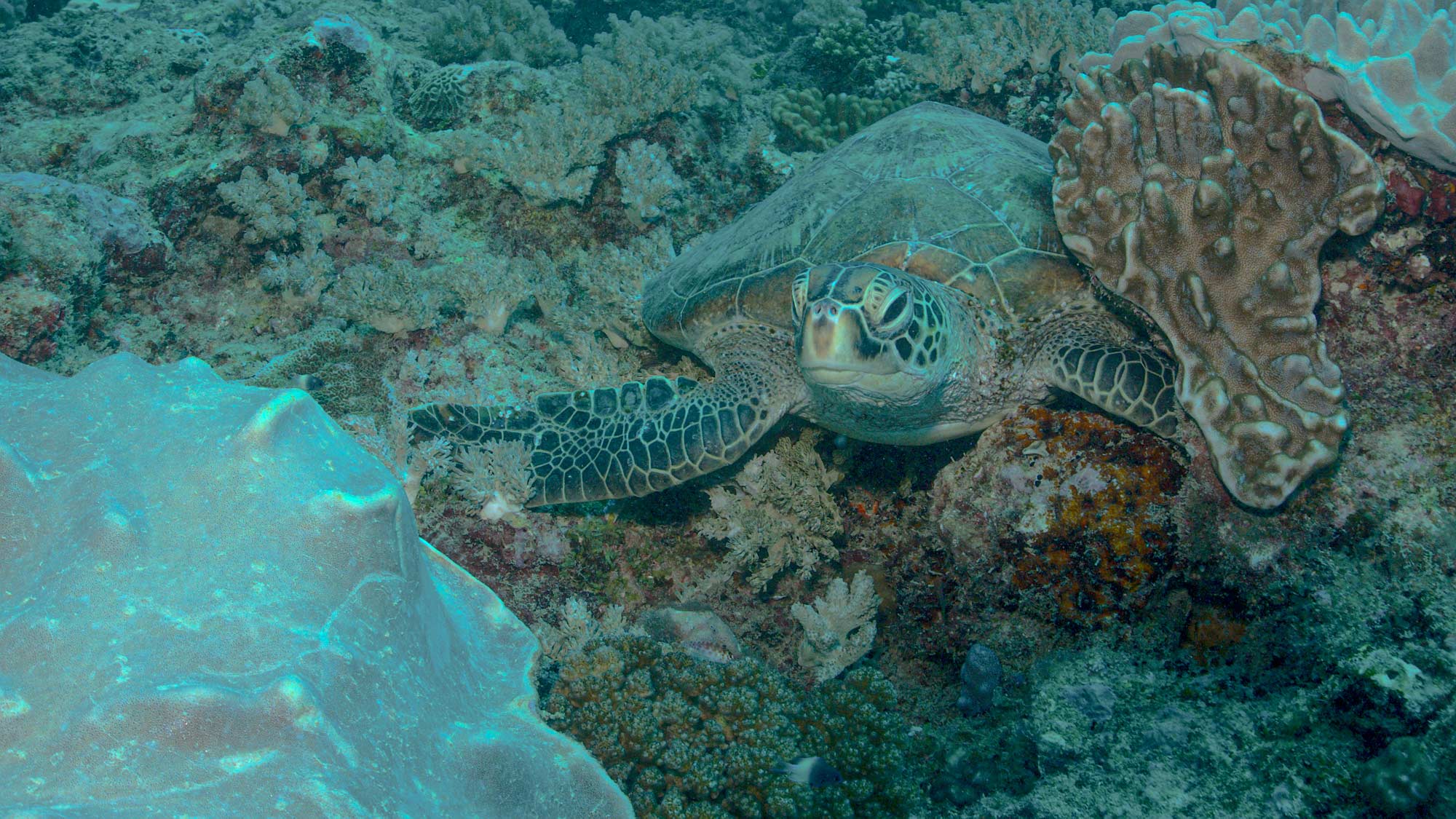
Established in 1968, Watamu Marine National Park is one of the oldest marine protected areas in Africa and, together with the wider Malindi–Watamu Biosphere Reserve, has long been recognised by UNESCO for its ecological richness. The park encompasses the coral lagoon, the barrier reef and the deeper waters beyond, and shelters more than six hundred species of fish, three species of nesting sea turtles green, hawksbill and the rarer olive ridley and a seasonal cast of whale sharks, manta rays and dolphins. 

Because the reef sits so close to shore, snorkelling here requires little effort: a short boat ride from any of the main beaches drops you straight onto coral gardens in three or four metres of water, with visibility that regularly exceeds 20 metres. For divers, the outer reef and the deeper bommies hold larger fish, turtles in remarkable numbers, and between December and February the chance of swimming alongside a whale shark. The water stays warm year-round, between 25 and 30 degrees, and the protected lagoon makes Watamu one of the easiest places on the East African coast to learn to scuba dive. 

A short walk from the village, the Local Ocean Conservation centre is the public face of an organisation that has worked with Watamu’s fishing community since 1997. Its turtle rehabilitation clinic treats animals injured by nets, hooks and boat strikes, and visitors can see the resident patients, learn about the catch-and-release programme that has saved more than 24,000 turtles, and, in nesting season, sometimes join researchers on the beach at dawn. It is a quietly extraordinary place, putting an emphasis on conservation that you might not otherwise realise.   

MANGROVE FORESTS AND TIDAL CREEKS

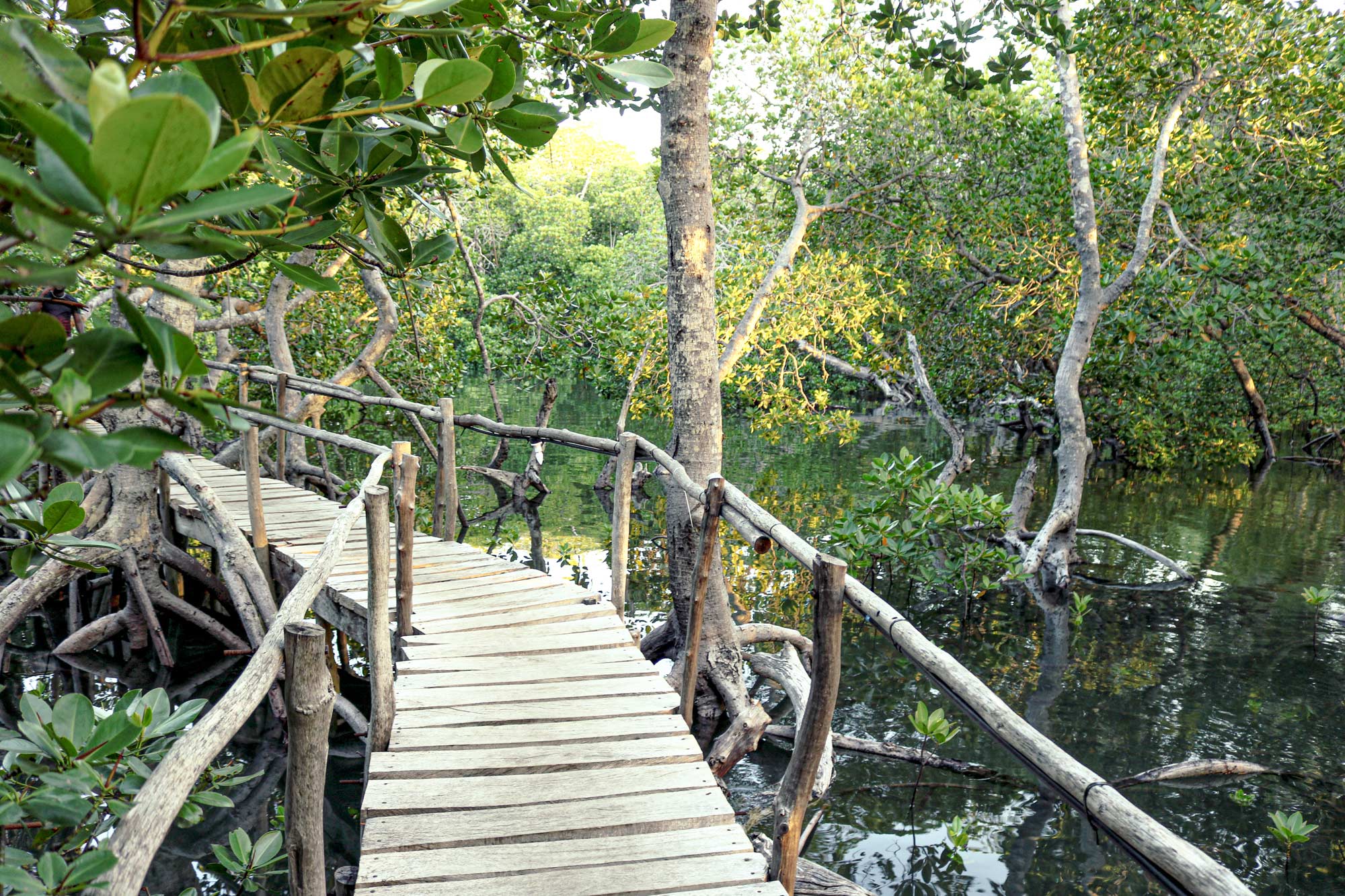
Behind the village, the land opens into one of the most remarkable natural hinterlands on the East African coast. Mida Creek is a thirty-two-square-kilometre tidal inlet, ringed by mangrove forest and threaded with channels that fill and empty twice a day with the ocean. Nine species of mangrove grow here, holding the line between sea and land; the creek shelters seagrass beds, turtles, crabs and more than 150 species of shorebirds, and is a globally important stopover for migrants flying south from Europe and Eurasia in the northern winter. 

The classic Mida experience is a sunset dhow trip from the village of Dabaso, gliding through the channels as the sky turns and the birds gather for the night. A boardwalk through the mangroves leads to the Crab Shack, a community-run restaurant on stilts at the edge of the creek where the celebrated crab samosas, fresh oysters and chilled white wine are best taken as the sun drops behind the trees. All profits return to the Dabaso community’s conservation work, and the place captures something essential about Watamu: that the wildest experiences here tend, quietly, to also be the kindest. 

Beyond the creek lies the Arabuko Sokoke Forest — the largest stretch of coastal forest left on the East African seaboard, and one of the most biodiverse places in the country. The forest holds a roll call of endemics that birders and naturalists travel a long way to see: Sokoke scops owls, Clarke’s weavers, Sokoke pipits, the elusive golden-rumped elephant shrew. Guided walks from the forest gate take in shaded trails, raised viewing platforms and the small, hidden glades where the rarer species reveal themselves. It is a quieter counterpoint to the open ocean, and a half-day inside it changes the way the coast feels. 

GEDI: THE LOST SWAHILI CITY

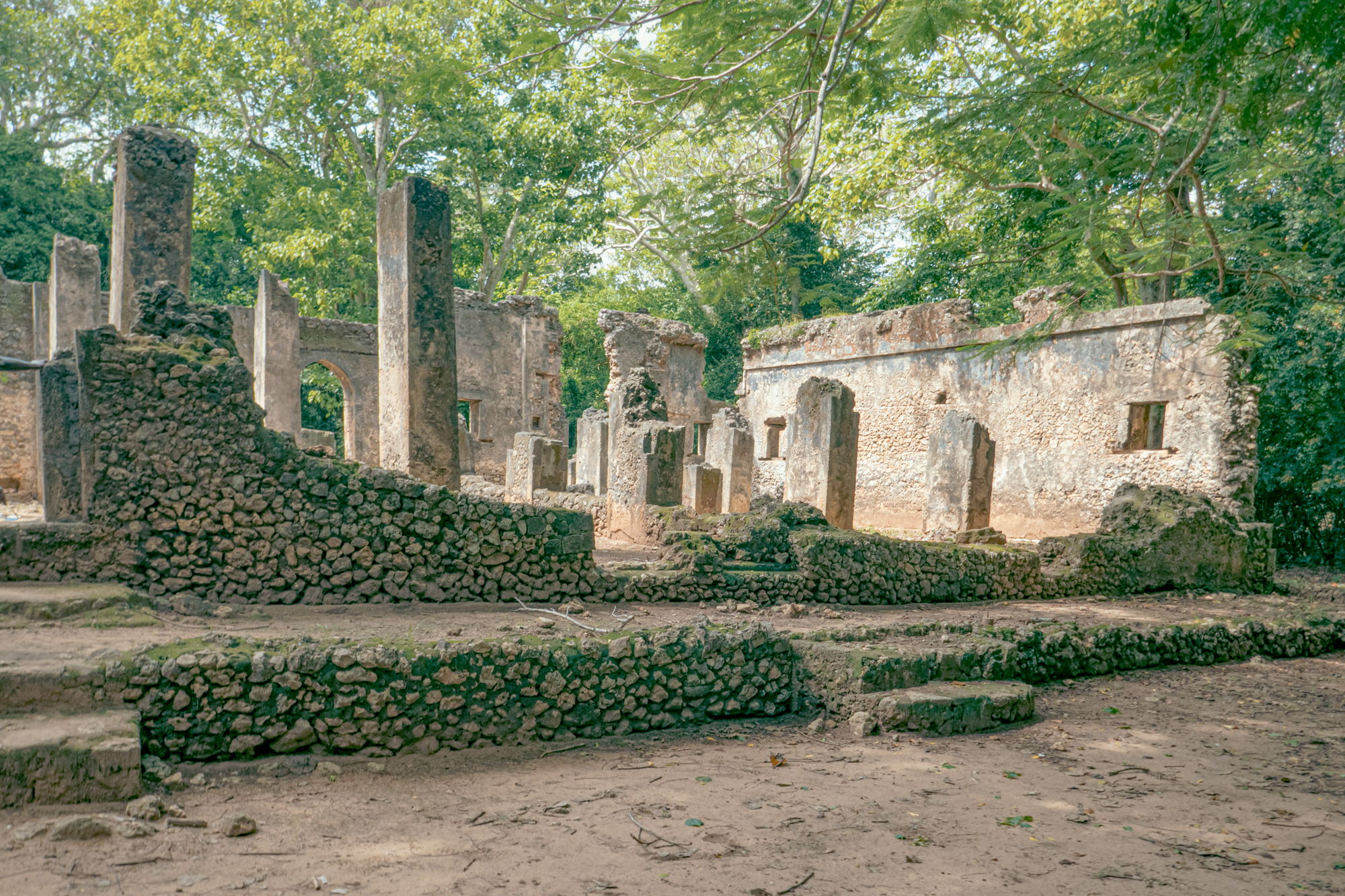
A few kilometres inland from Watamu, buried in a thicket of primaeval forest at the edge of Arabuko Sokoke, lie the Ruins of Gedi (or Gede): the standing remains of a Swahili-Arab trading town that flourished between the 13th and 17th centuries and was, mysteriously, abandoned by the late 1600s. At its height, Gedi was home to around 2,500 people; its community made up of coral-stone houses, mosques, palace and pillar tombs who traded across the Indian Ocean with Persia, India and China, and archaeologists have pulled Ming porcelain, Venetian glass and Indian beads from beneath its floors. 

Rediscovered in the 1920s and protected as a national monument since 1927, Gedi was inscribed as Kenya’s eighth UNESCO World Heritage Site in 2024, formal recognition of a place that has long held an almost spectral atmosphere. Walking the shaded paths between the great mosque, the palace and the pillar tombs, with strangler figs climbing the coral walls and Sykes’ monkeys moving above, is one of the most affecting cultural experiences on the Kenyan coast. Go early, take a guide, and allow at least two hours. 

AN ITALIAN-SWAHILI TABLE

Watamu’s food scene is one of the most distinctive on the East African coast, a product of an unlikely 1960s arrival that has since shaped half a century of village life. When Italian engineers began working on the Luigi Broglio Space Centre off nearby Malindi, around 120 of them settled along this stretch of coast; word spread, and by the 1970s a small Italian community of restaurateurs, hoteliers and growers had taken root. Today, Italian remains a second language for many in the village, and around seventy per cent of international visitors arrive from Italy. 

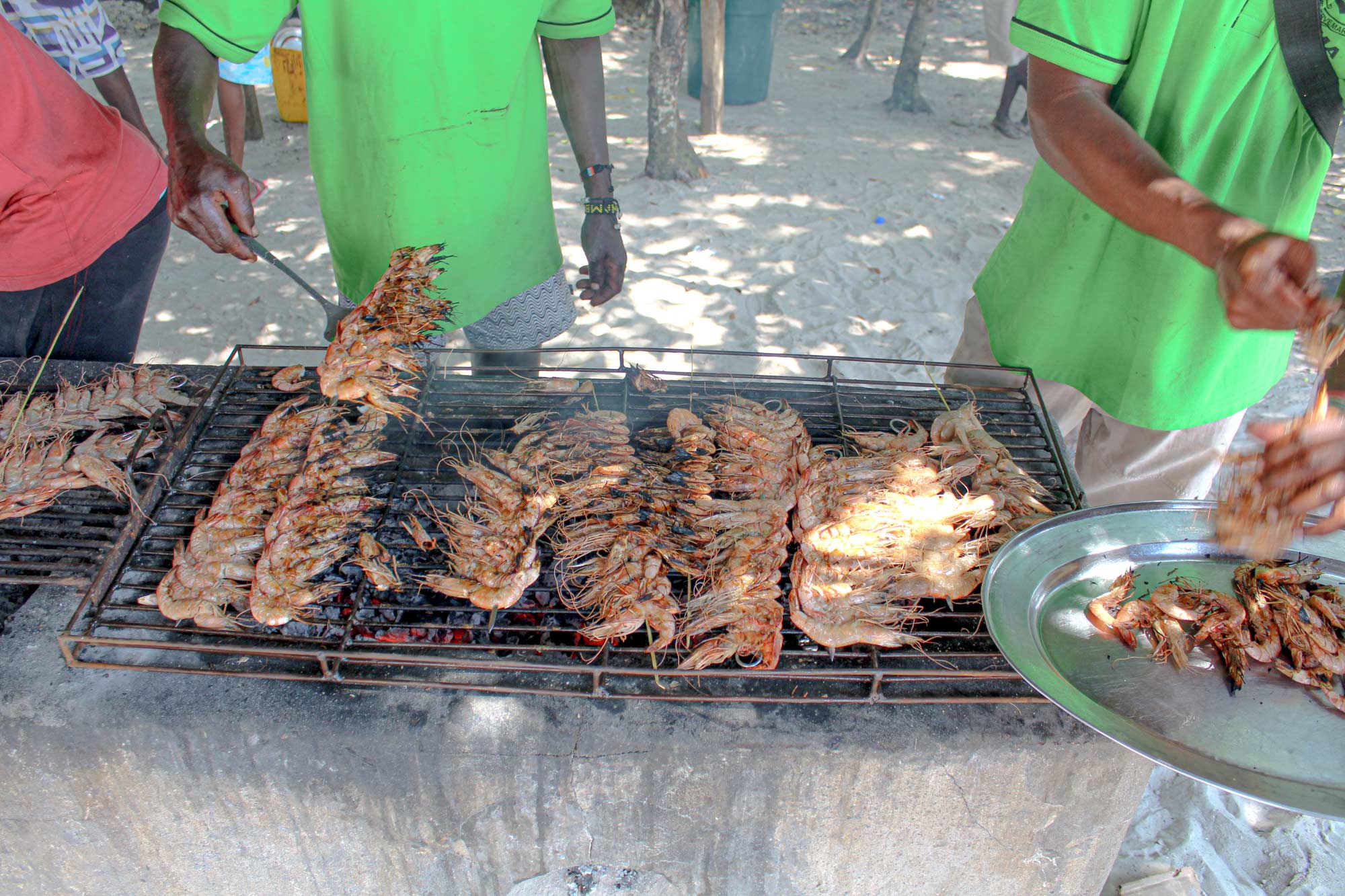
The result is a food culture unlike anywhere else in Kenya: handmade pasta and wood-fired pizza alongside coconut-rich Swahili curries, gelato that holds its own against Rome, espresso pulled with proper attention, Aperol spritzes at sunset. The deeper pleasure is the fusion: pasta alle vongole made with clams sourced from Mida Creek that morning; pizza al frutti di mare topped with prawns from the lagoon; Swahili samaki wa kupaka (fish in coconut and tamarind) served alongside a glass of Tuscan red. The seafood is the constant: red snapper, kingfish, tuna, octopus, lobster, prawns, all landed within hours of being eaten. 

Beyond the Crab Shack at Mida, the village has many small restaurants worth seeking out: garden trattorias serving osso buco a few minutes from the sand; beachfront bars where the menu shifts with the catch; family-run Italian kitchens that have been turning out the same pasta for thirty years. Ocean Sports, known affectionately along the coast as ‘Open Shorts’, has long been the village’s most loved sundowner address, its terrace looking straight out over Turtle Bay. 

VILLAGE LIFE, SLOW DAYS AND THE RHYTHM OF THE COAST

For all the natural and cultural riches that surround it, Watamu itself remains a small Swahili fishing village. The pace is unhurried, the streets are sandy, and the social hubs are the beach bars, the dhow yards and the open-fronted shops along the main road. Days build around the tide and the temperature: snorkel or swim in the cool of the morning, retreat into shade for the heat of midday, head out again by four for a walk on the flats, a kitesurf session in the Kuzi winds or a dhow trip into the creek for sunset. 

The wind shapes the year. The Kaskazi, the northeast monsoon, blows from December to April, warm, steady, ideal for kitesurfing on the flat water inside the lagoon. The Kuzi, the southeast monsoon, brings stronger winds and bigger swells from June to September, drawing experienced kitesurfers and windsurfers to the open beaches. Diving and snorkelling are best between October and March, when visibility is at its clearest, and the whale sharks pass through. 

WHEN TO VISIT

Watamu is a year-round destination, but the coast has two distinct rhythms. The driest, sunniest months run from late June through October and again from December to March, with reliable sunshine, calm sea conditions for much of the day, and warm but bearable air temperatures of 25–30 degrees. The two short rainy seasons, late April through May, and a lighter spell in November, bring heavier showers and lusher landscapes, but also fewer visitors, lower prices and a quieter village. For snorkelling and diving, November to March is the prime window; for kitesurfing, June to September. For the broadest mix, clear water, open restaurants, gentle weather, September and February are arguably the loveliest months of all. 

GETTING HERE

The easiest approach is to fly into Nairobi, then connect on a short domestic flight (around 45 minutes) to Malindi Airport (MYD), which sits just twenty minutes by road from Watamu. Travellers can also fly into Moi International Airport (MBA) in Mombasa and continue by road, a scenic two-and-a-half-hour drive up the palm-lined coast through Kilifi. For those wanting a more grounded approach, the Madaraka Express SGR train from Nairobi to Mombasa takes around four and a half hours through the Tsavo plains, with onward shuttles north to Watamu. Watamu sits naturally on a longer journey along the coast, easily combined with the Lamu archipelago to the north or the wider beaches of Diani to the south. The cultural counterpoint of Lamu makes an obvious pairing for a longer trip, as does the quieter creek town of Kilifi just down the coast. 

WATAMU WITH VILLA COLLECTIVE

As with all our villas in the Villa Collective portfolio, we choose our houses in Watamu with care and consideration, ensuring that they all hold a special sense of place and unassuming sophistication, reflecting the cultural setting of coastal Kenya. Some sit directly above the white sand of Turtle Bay or Jacaranda with private pathways to the water; others tuck back into shaded tropical gardens a few minutes from the beach, with thatched makuti roofs, deep verandahs and pools shaded by frangipani. All come with the support of a Villa Collective team who know the coast like the back of their hand, and can arrange a private dhow for sunset on Mida, book the early-morning turtle walk at Local Ocean, organise a guided dawn at Gedi or Arabuko Sokoke, or simply book the right table at the right beach bar. To begin planning, explore our collection of villas in Watamu or our wider portfolio along the coast and inland in Kenya 

EXPLORE THE JOURNAL

DISCOVER MORE

A villa for every occasion Finding the perfect villa that suits a large group is the first step in making sure your celebration sings. We can match you with the ideal property for your party, plan all the big and little details ensuring your occasion rises far beyond expectations. Read our recommendations for big gatherings.
5 Reasons to Book Your 2027 Villa Holiday Now 2027 bookings with rates guaranteed at 2026 levels. Five reasons to plan your villa holiday early — from peak-date availability to the finest homes across the Mediterranean and beyond.