Andalucia Guide: Alhambra, Pueblos Blancos & Tapa

Andalucia has a different pace from that of the rest of Spain. Its slow-lane living lives between the bone-white walls of hilltop villages, the carved arches of the Alhambra, the courtyards of Córdoba spilling over with geraniums, and the wide Atlantic beaches at the country’s southern tip. A weight of history permeates the region: the Phoenicians traded here, the Romans built cities here, and the Moors held the south for nearly eight centuries. The region feels less like a province of modern Spain and more like a self-contained world.

Andalucía is a place you can explore at your own pace. A relaxed day might include a morning in the Mezquita of Córdoba; a long lunch in a tiled patio behind a thick whitewashed wall; an afternoon driving up into the Sierra de Grazalema; and an evening in a sherry bodega. The south is never in a hurry; its pleasures are slow, layered and sensory.

A LAND OF MOUNTAINS, VALLEYS AND COASTLINE

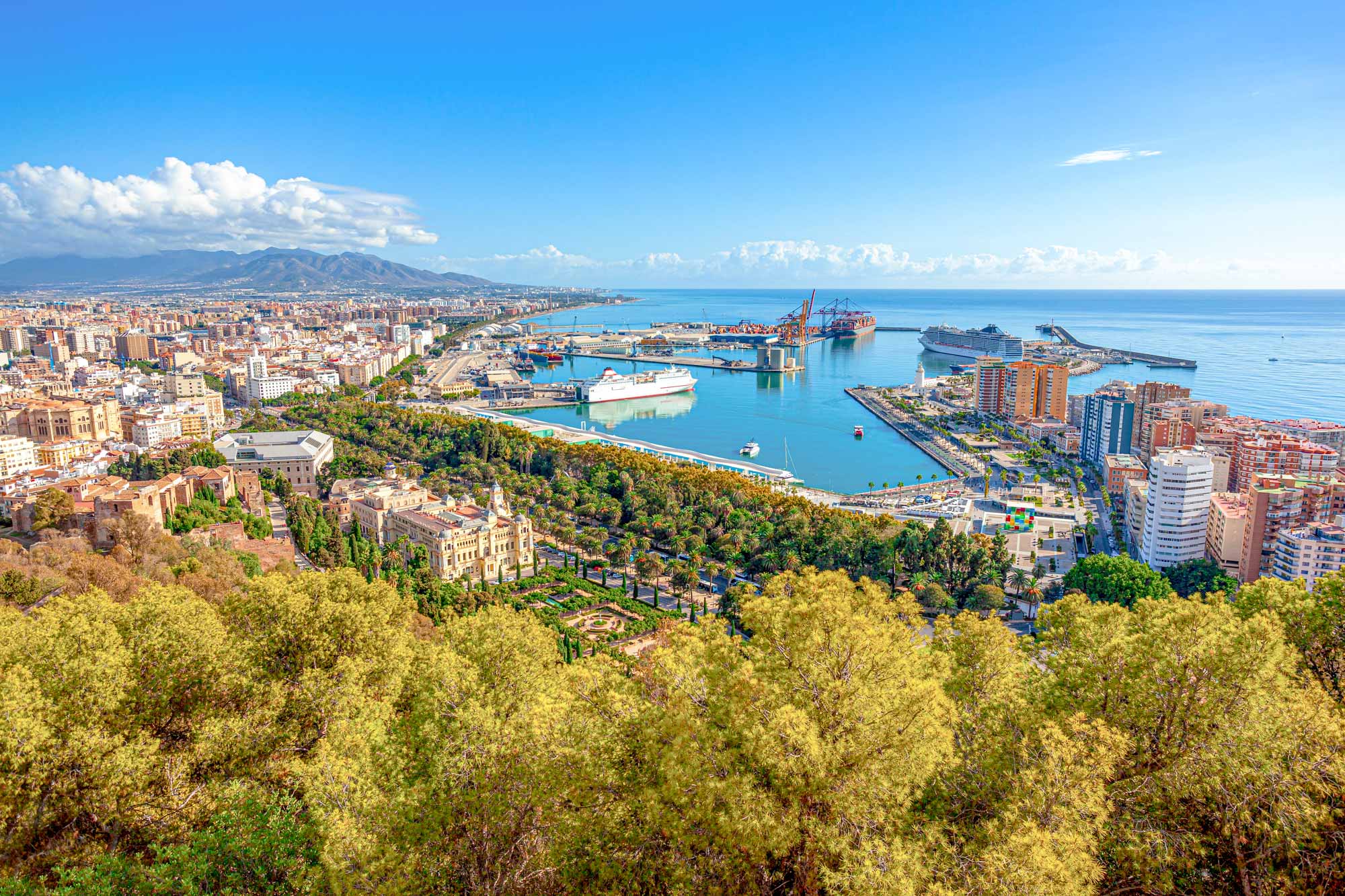
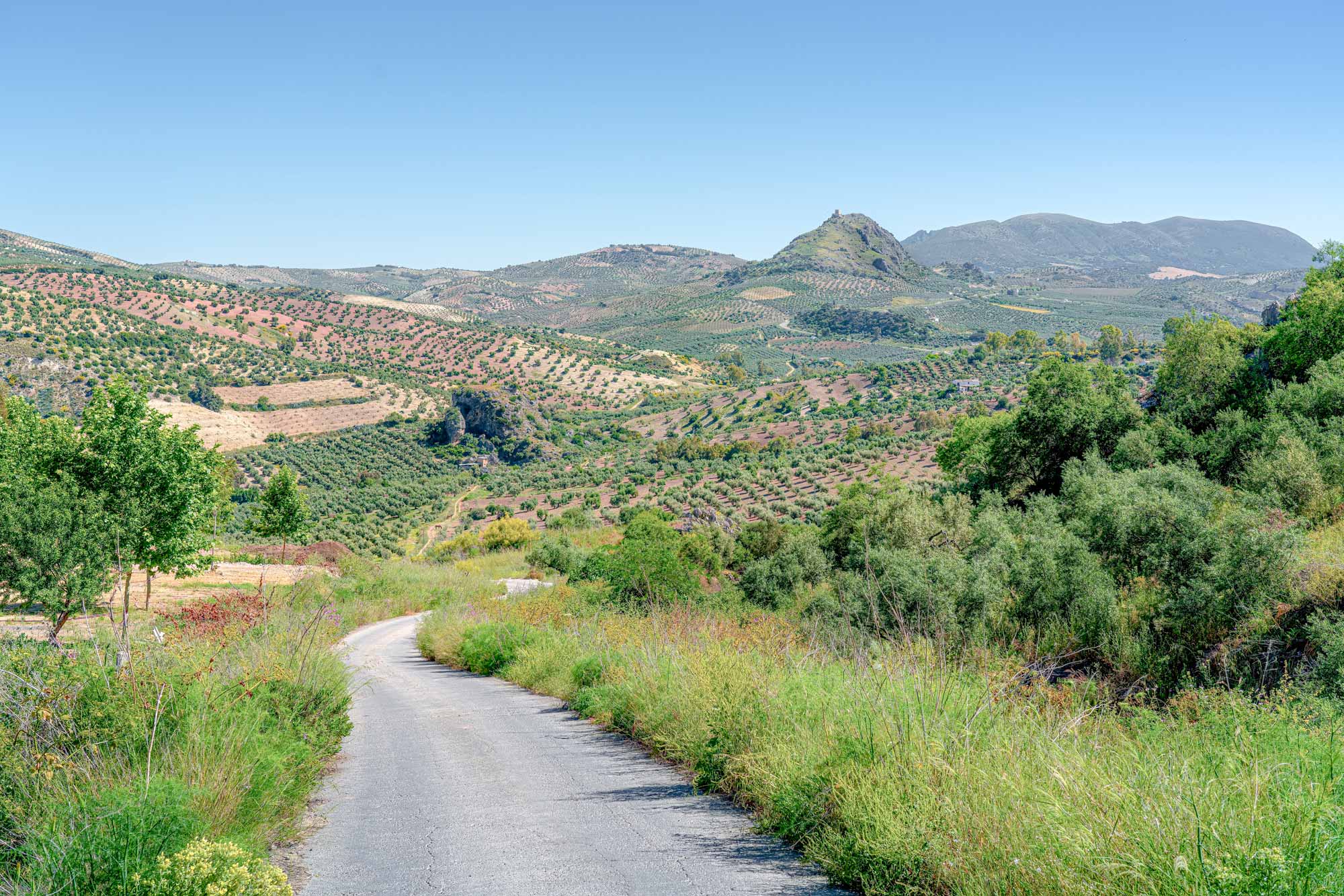
Andalucia is the largest of Spain’s autonomous regions and, in many ways, the most varied. It runs from the Sierra Morena in the north down to the Strait of Gibraltar, where Europe finally tapers to a point and Africa is visible across 14 kilometres of water. In between lie the olive plains of Jaén, the great river valley of the Guadalquivir, the snow-capped peaks of the Sierra Nevada, the highest range on the Iberian Peninsula, and two entirely different coasts, the warm Mediterranean Costa del Sol facing east towards Málaga and Marbella, and the wilder, Atlantic-fronted Costa de la Luz to the west.

This range of geography shapes everything: how the food tastes from village to village, how the air smells in the mountains versus the marisma, how the light strikes the limestone of one sierra and the schist of another. You can ski in the Sierra Nevada in the morning and swim in the Mediterranean by lunch. You can drive an hour inland from the coast and find yourself in a landscape of cork oaks and Iberian pigs that feels almost biblical. Andalucia is best understood not as a single destination but as several at once, threaded together by shared history and a common cultural language.

SEVILLE AND HER SIBLING CITIES

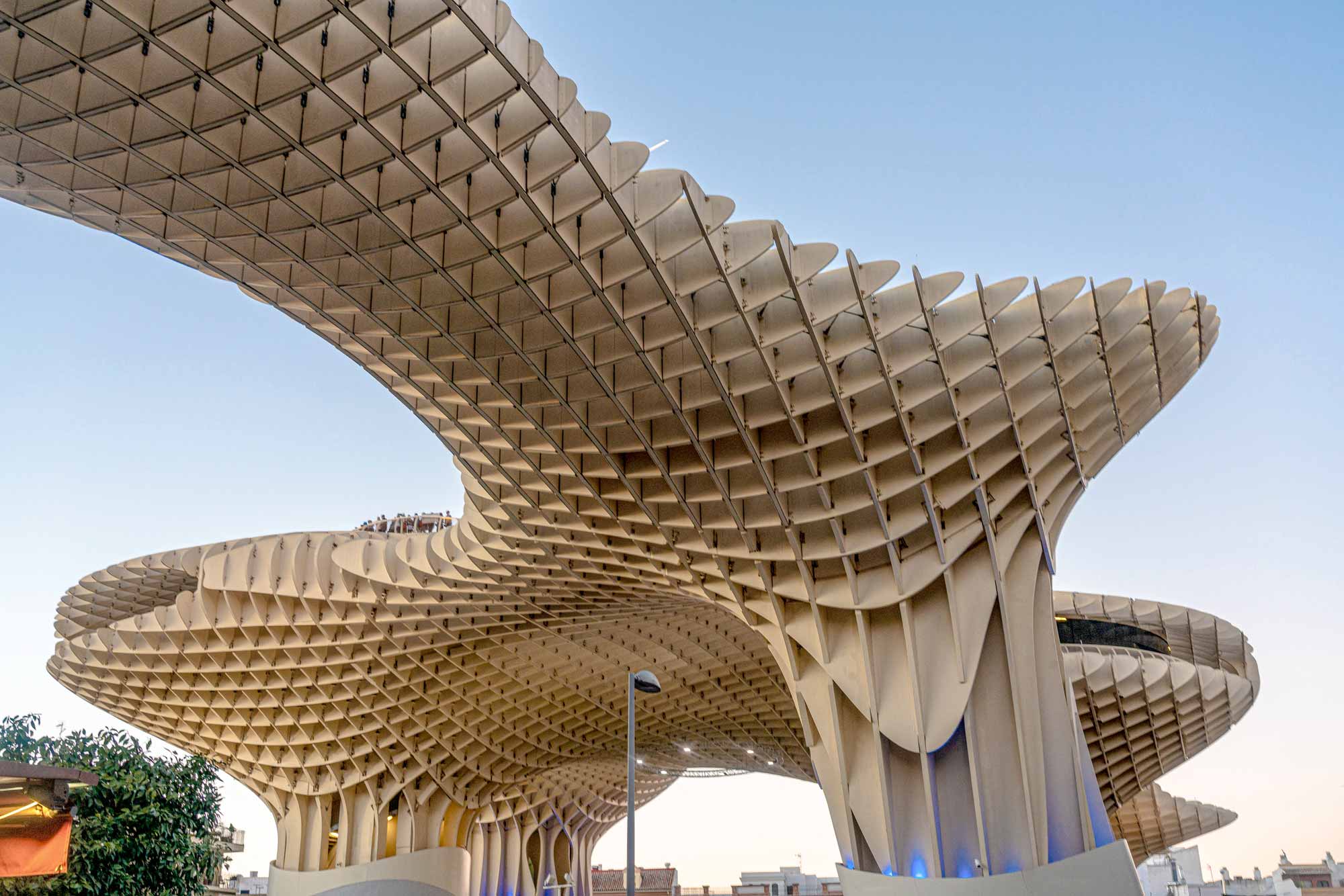
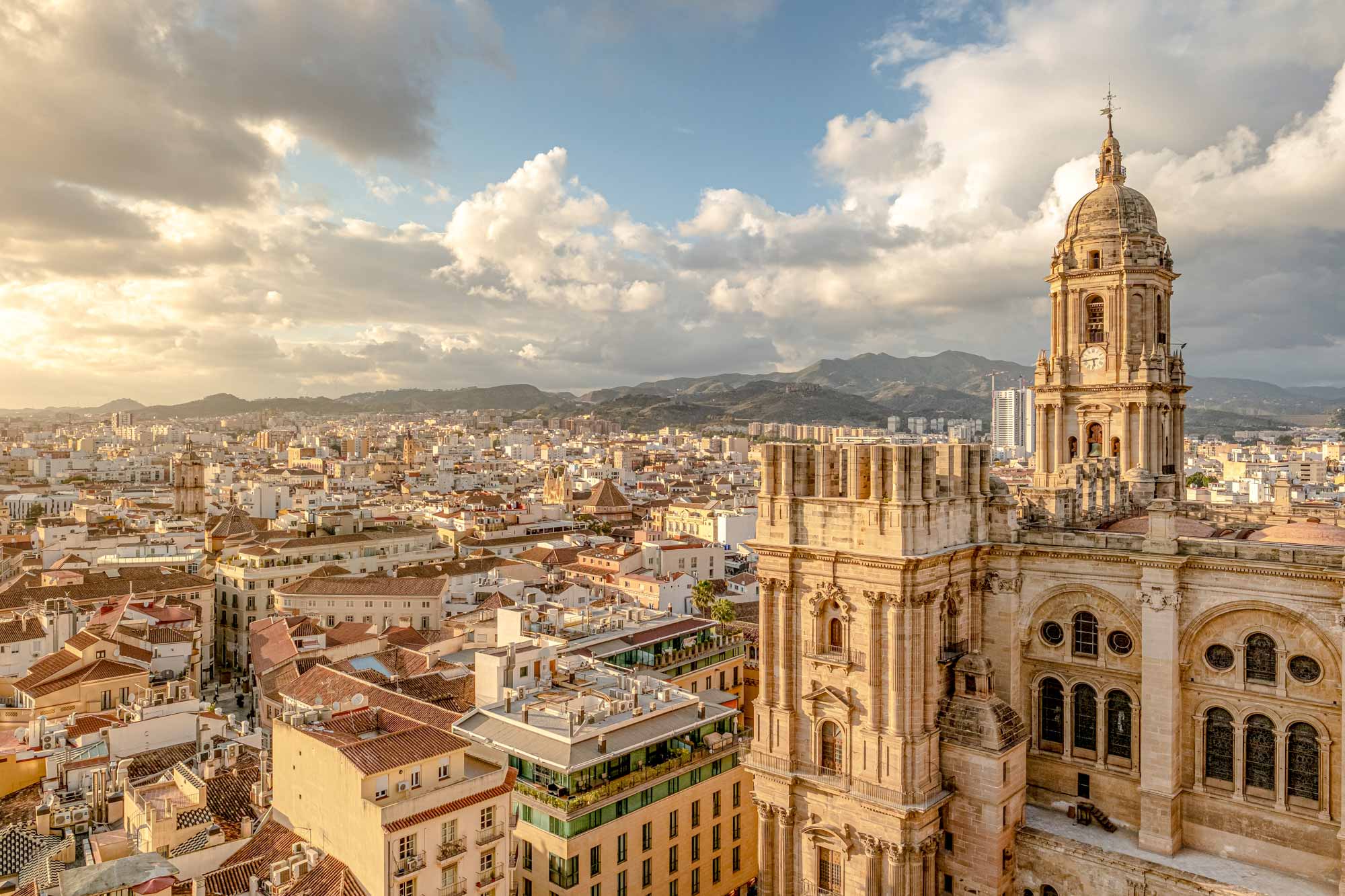
Seville is the capital and the great romantic city of the south. Its cathedral, the largest Gothic cathedral in the world, raised on the footprint of the city’s former Almohad mosque, is crowned by the Giralda, the old minaret turned bell tower that still defines the skyline. Next door, the Real Alcázar is the oldest royal palace still in use in Europe, a Mudéjar masterpiece of carved plasterwork, tiled courtyards and shaded gardens. A short walk south brings you to the Plaza de España, a vast crescent of brickwork and azulejo tiling built for the 1929 Ibero-American Exposition and set within the green sprawl of the Parque de María Luisa.

Across the Guadalquivir lies Triana, historically the city’s Romani quarter and the neighbourhood most often credited as the birthplace of flamenco. Its riverside lane, Calle Betis, is one of the loveliest places in the city for a long lunch with a view back to the Giralda, and its tile workshops still produce the azulejos that have decorated Sevillian houses for centuries.

Inland, Córdoba is the quieter, older sibling. The Mezquita-Catedral, its forest of red-and-white striped arches built over two centuries of Umayyad rule, with a Renaissance cathedral inserted inside its prayer hall, is one of the most extraordinary buildings in Europe. The old Judería, the medieval Jewish Quarter wrapped around the Mezquita’s northern walls, is a maze of whitewashed lanes and flower-hung patios. In May, the city throws open its private courtyards for the Fiesta de los Patios, a UNESCO-listed festival in which residents spend the year tending three- and four-hundred terracotta pots of geraniums, jasmine and carnations for two weeks of free public viewing.

MOORISH MAJESTY

No single building in Spain carries quite the weight of the Alhambra. Begun in 1238 by Muhammad I, founder of the Nasrid dynasty, expanded by his successors over the next two and a half centuries, and finally surrendered to the Catholic Monarchs in 1492, it is the only Islamic palatine city in the world to have survived more or less intact. The Nasrid Palaces at its heart are a study in carved stucco, tiled dados, coffered cedar ceilings and reflecting pools. Above the palaces, the gardens of the Generalife, from the Arabic Jannat al-Arif, the architect’s garden, were the summer retreat of the emirs, and remain one of the world’s great surviving examples of Islamic garden design. Across the ravine, the Albaicín, the old Moorish residential quarter, climbs the opposite hillside in a tangle of whitewashed houses, hidden carmenes and small plazas. All three sites, the Alhambra, the Generalife and the Albaicín, were jointly inscribed as a UNESCO World Heritage Site in 1984.

Granada is the city in which the Moorish thread of Andalucian culture is felt most strongly, and the connection runs both ways across the Strait of Gibraltar. Travellers drawn to the shared heritage often pair a stay here with a longer southern circuit including Marrakech, whose riads and medina speak the same architectural language a few hundred kilometres further south.

THE PUEBLOS BLANCOS

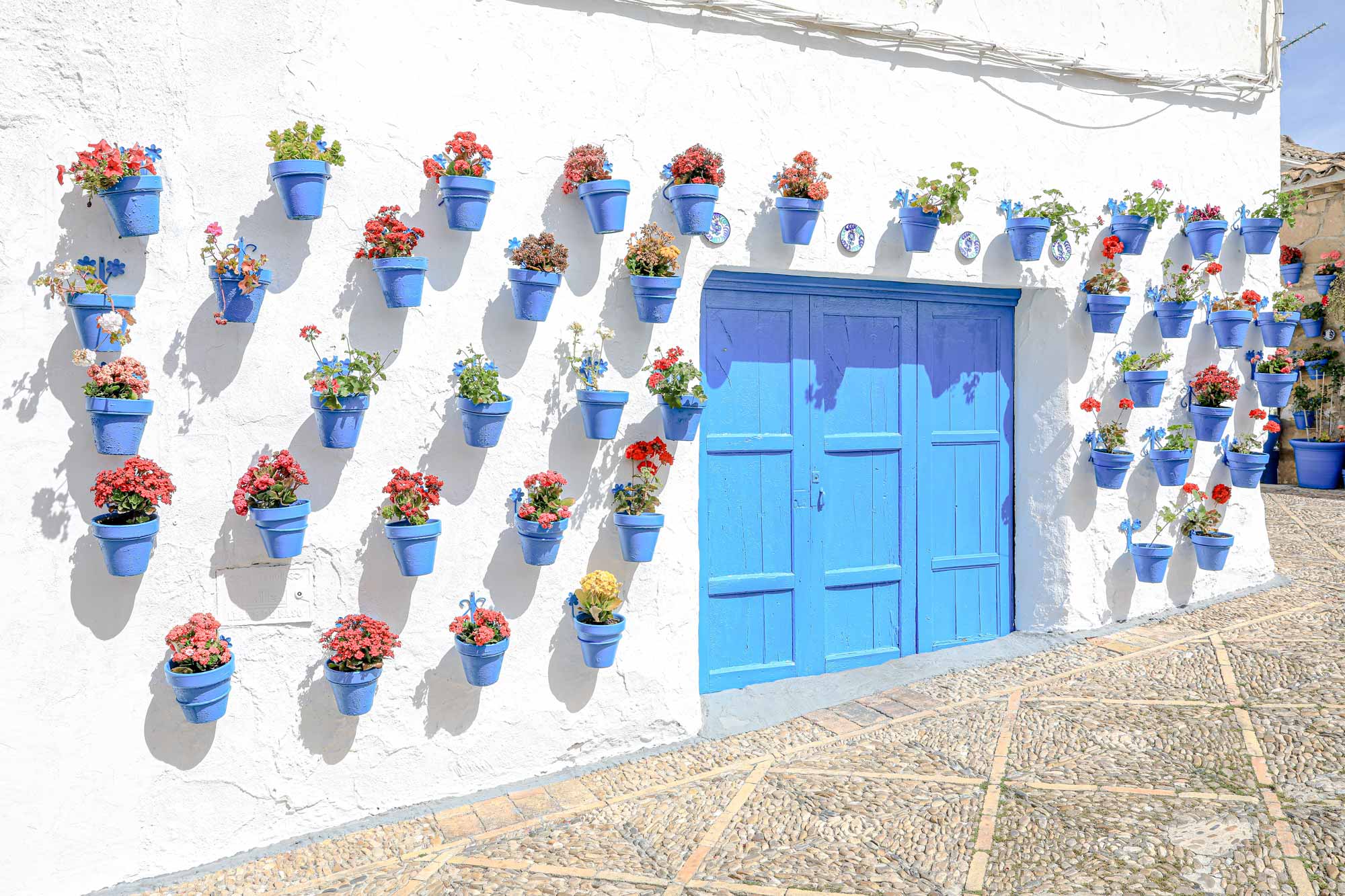
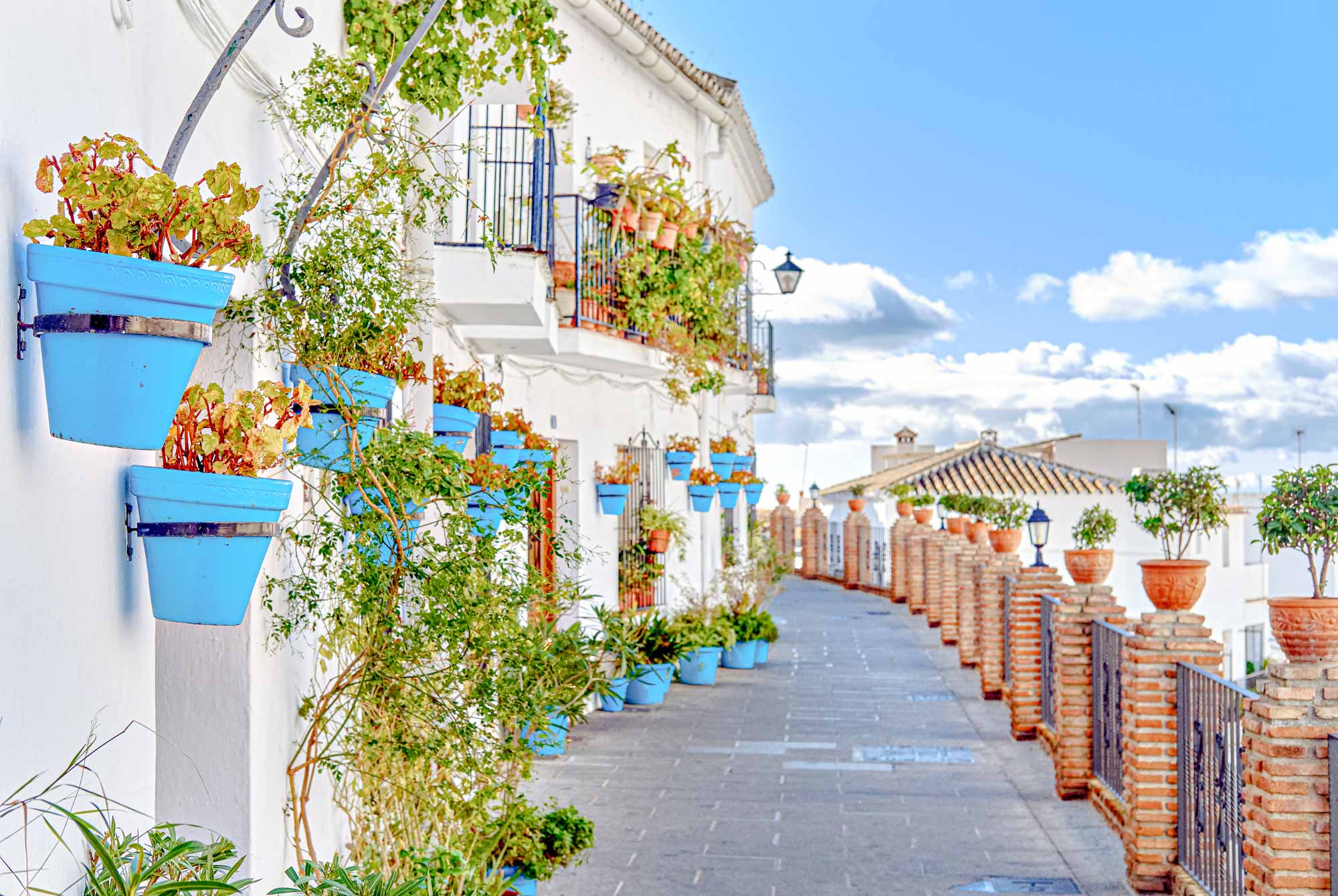
Strung through the sierras of Cádiz and Málaga, the pueblos blancos, the white villages, are perhaps the most photographed feature of inland Andalucia, and the most rewarding to explore slowly. Their tradition of whitewashing dates from the days when limewash kept houses cool and disinfected against plague, and the practice has held: every spring a fresh coat goes on, and the villages catch the southern light in a way few other settlements in Europe can match.

Each has its own character. Ronda, the largest, sits dramatically split in two by the Tajo gorge, with its eighteenth-century Puente Nuevo bridging a 120-metre drop and its bullring, among the oldest in Spain, anchoring the old town. Vejer de la Frontera, set on a ridge ten kilometres inland from the Atlantic, is a Moorish-walled hilltop of impossibly steep lanes and quiet plazas, and is often picked out as the most beautiful village in the south. Frigiliana, above Nerja in the Axarquía, is a cobbled labyrinth of Mudéjar-tiled lanes. Setenil de las Bodegas is the strangest and most memorable of them all, a village of houses built directly beneath overhanging cliffs of rock, with whole streets roofed by a single great boulder. Mijas, perched above the Costa del Sol, is the easiest to reach, with its own miniature white-walled bullring and a long view down to the Mediterranean.

THE ATLANTIC COAST

Andalucia has two coasts, and the lesser-known of the two is the more beautiful. The Costa de la Luz, the coast of light, runs from Tarifa, Europe’s southernmost town, north and west around the curve of the Gulf of Cádiz. The Atlantic here is colder than the Mediterranean and the wind blows more often, but the beaches are wider, emptier and several orders of magnitude wilder than anything you will find on the Costa del Sol.

The signature beach of the coast is Bolonia: a long, undeveloped sweep of pale sand backed by a towering sand dune and, just behind it, the Roman ruins of Baelo Claudia, one of the best-preserved Roman towns on the Iberian Peninsula. A little further north, Zahara de los Atunes is a former tuna-fishing village whose six-kilometre beach is one of the great stretches of empty sand in southern Europe. Tarifa itself, at the meeting of the Atlantic and the Mediterranean, has become Europe’s windsurfing and kitesurfing capital, with a bohemian old town that still feels, faintly, like a frontier.

Cádiz, an hour up the coast, is the oldest continuously inhabited city in Western Europe, founded by the Phoenicians around 1100 BC, and is built on a narrow spit of land almost surrounded by the Atlantic. Its old town of weathered seafront squares, palm-lined plazas and tile-roofed merchant houses is one of the most atmospheric urban quarters in Spain and it also has a thriving seafood scene.

TAPAS AND THE JEREZ TRIANGLE

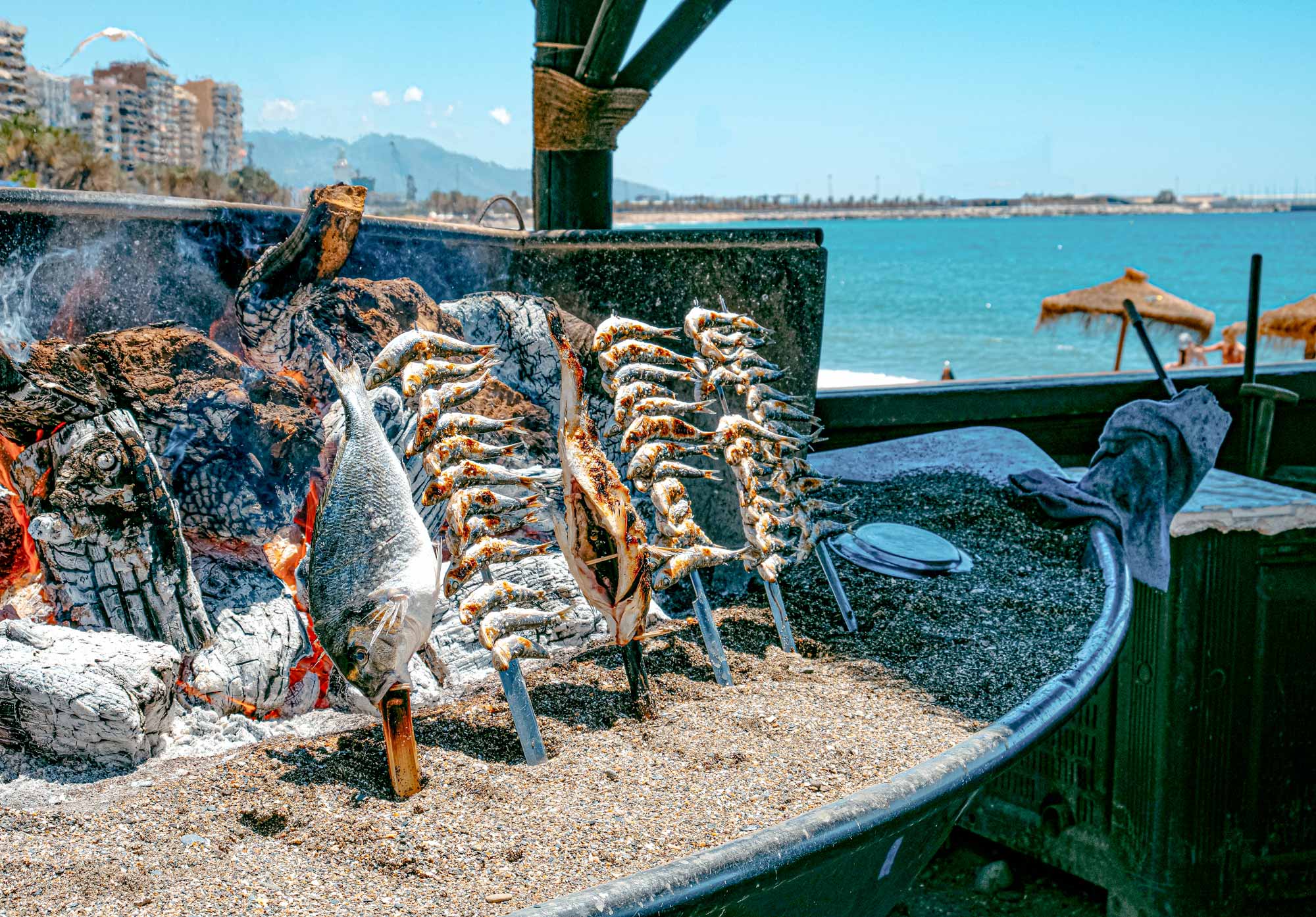
Andalucia is widely regarded as the birthplace of the tapa, and the ritual of moving from bar to bar through an evening, a small plate and a glass at each, remains one of the great social pleasures of the south. The food is built around the region’s extraordinary raw materials: Atlantic and Mediterranean fish, olive oil from the Jaén plains (Andalucia produces more than any other region on earth), Iberian pork from the dehesas of the Sierra de Aracena, and the cold soups for which the south is famous. Gazpacho, tomato, cucumber, pepper, garlic, oil and bread, served cold, is the canonical summer dish, but the older and arguably more interesting sibling is ajo blanco, a Málaga speciality of bread, almonds and garlic, traditionally garnished with green grapes and predating the arrival of the tomato in Europe.

Cured pork is a religion. Jamón ibérico from the acorn-fed black pigs of the Sierra de Aracena (Jabugo) and from the high mountain village of Trevélez in the Alpujarras, where the cold, dry air at 1,500 metres has been curing hams for more than two centuries, is the benchmark against which all other charcuterie in the country is measured.

And then there is sherry. The Marco de Jerez, the sherry triangle between Jerez de la Frontera, Sanlúcar de Barrameda and El Puerto de Santa María, just inland from the Atlantic, produces one of the world’s most underrated fortified wines under the famous solera system, in which younger vintages are blended through older barrels over decades. The styles range from the bone-dry, yeast-driven fino and the saline manzanilla of Sanlúcar (the only place in the world where it can legally be produced), through the nutty amontillado and the rich, oxidised oloroso, to the intensely sweet Pedro Ximénez. A visit to a Jerez bodega, many are vast cathedrals of casks dating back to the 18th century, is one of the great cultural experiences of the south.

FLAMENCO AND THE CULTURAL RHYTHM

Flamenco is not a tourist performance, though it can be experienced as one. At its root it is a deep cultural form, born in Andalucia over the last few centuries from the fusion of the region’s Romani, Moorish, Jewish and Castilian traditions, and shaped above all by the gitano families of Seville, Cádiz and Jerez. Triana, in Seville, and the Santiago and San Miguel barrios of Jerez are still considered its heartlands, and the best way to encounter it is in a small tablao or an intimate peña, a members’ club where the cante (singing) is held in higher regard than the dance. If this is something of interest, we can help connect with the right people and the right places.

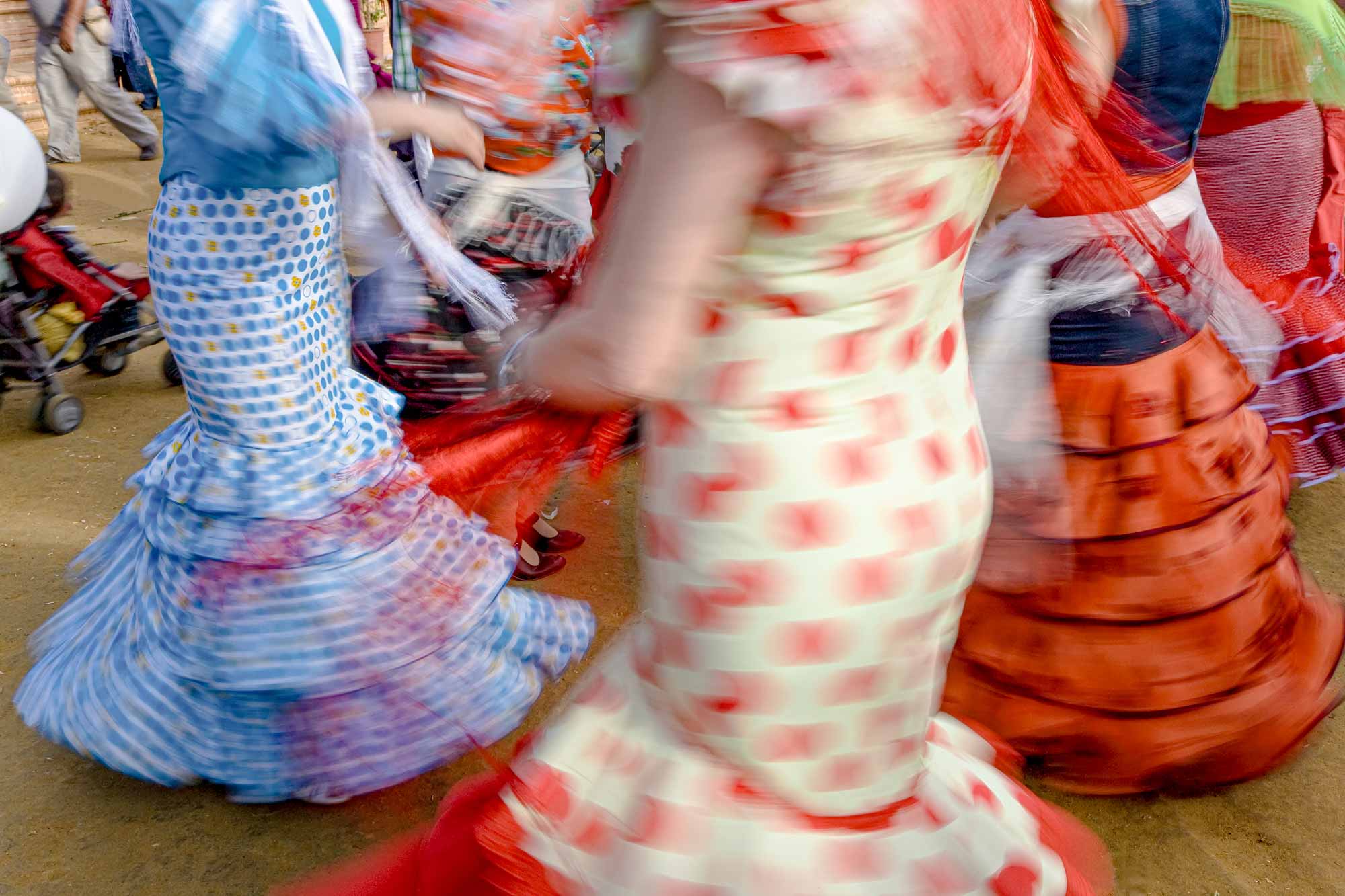
The rhythm of Andalucian life is shaped by two great annual events. Semana Santa, Holy Week, the seven days leading up to Easter, is observed across the region with extraordinary depth, but nowhere more intensely than in Seville, where vast hooded brotherhoods carry their elaborate floats through the streets from Palm Sunday through to the small hours of Good Friday. Two weeks later, the city explodes into its other great festival, the Feria de Abril: a week of marquees, sherry, sevillanas dancing and horse-drawn carriages that is one of the most distinctive spectacles in Europe.

WHEN TO VISIT

Andalucia is a year-round destination, but the windows of greatest pleasure are spring and autumn. April and May bring perfect temperatures, wildflowers in the sierras, Semana Santa and the Feria de Abril in Seville, and the Patios festival in Córdoba. September and October are equally lovely, with warm seas, the grape harvest in Jerez and softer light on the white villages. Summer is glorious on the coasts but punishing in the interior, where Seville and Córdoba routinely climb above 40°C in July and August; in those months, head for the sierras or the Atlantic beaches. Winter is mild and quiet, with snow and skiing on the Sierra Nevada, open restaurants in the cities and the lowest crowds of the year.

GETTING HERE

Andalucia is served by two main international airports. Málaga (AGP) is the busier of the two and the natural gateway to the Costa del Sol, Marbella, Ronda and the eastern white villages. Seville (SVQ) is the closest hub for the cities of the interior, Jerez and the Costa de la Luz. Granada, Jerez and Almería also have smaller airports with European connections. The Spanish AVE high-speed train links Madrid to Seville in under two and a half hours and to Málaga in around two and a half; for many travellers, an AVE arrival into the south is the most elegant way to begin a trip. Andalucia also pairs naturally with the Spanish islands; many of our guests combine a stay here with the quieter beaches and country estates of Mallorca or Menorca for a longer trip through the south.

ANDALUCIA WITH VILLA COLLECTIVE

Our homes in Andalucia run the full range: cortijos in the hills behind Marbella, horses in the paddocks and olive groves to the horizon; townhouses tucked inside the walls of a white village; beach houses opening onto the Atlantic light of the Costa de la Luz. Each is chosen for a strong sense of place and an unforced style, and each comes with a Villa Collective team who know the region first-hand. They can arrange a sherry tasting at a Jerez bodega that keeps its doors closed, find you a seat at a Triana flamenco peña, or book the right patio table for a long lunch in Córdoba. Explore our collection of villas in Andalucía to begin, or look wider across our Spanish portfolio.

EXPLORE THE JOURNAL

DISCOVER MORE

A villa for every occasion Finding the perfect villa that suits a large group is the first step in making sure your celebration sings. We can match you with the ideal property for your party, plan all the big and little details ensuring your occasion rises far beyond expectations. Read our recommendations for big gatherings.
5 Reasons to Book Your 2027 Villa Holiday Now 2027 bookings with rates guaranteed at 2026 levels. Five reasons to plan your villa holiday early — from peak-date availability to the finest homes across the Mediterranean and beyond.