Lamu: Swahili heritage and barefoot bohemia | Villa Collective

We take a look at Lamu’s unique way of life, crafted through a blend of history, culture and architecture. Intricate design, fusion cuisine and a distinct cultural presence is framed by centuries of influence from Arabia, Persia and India.

A place that’s consistently attracted creatives, thinkers and those who favour a slow pace of life, Lamu is a kaleidoscope of indelible sights and sounds, remaining a boho sanctuary that dances to its own beat.

SHAPED BY THE WINDS

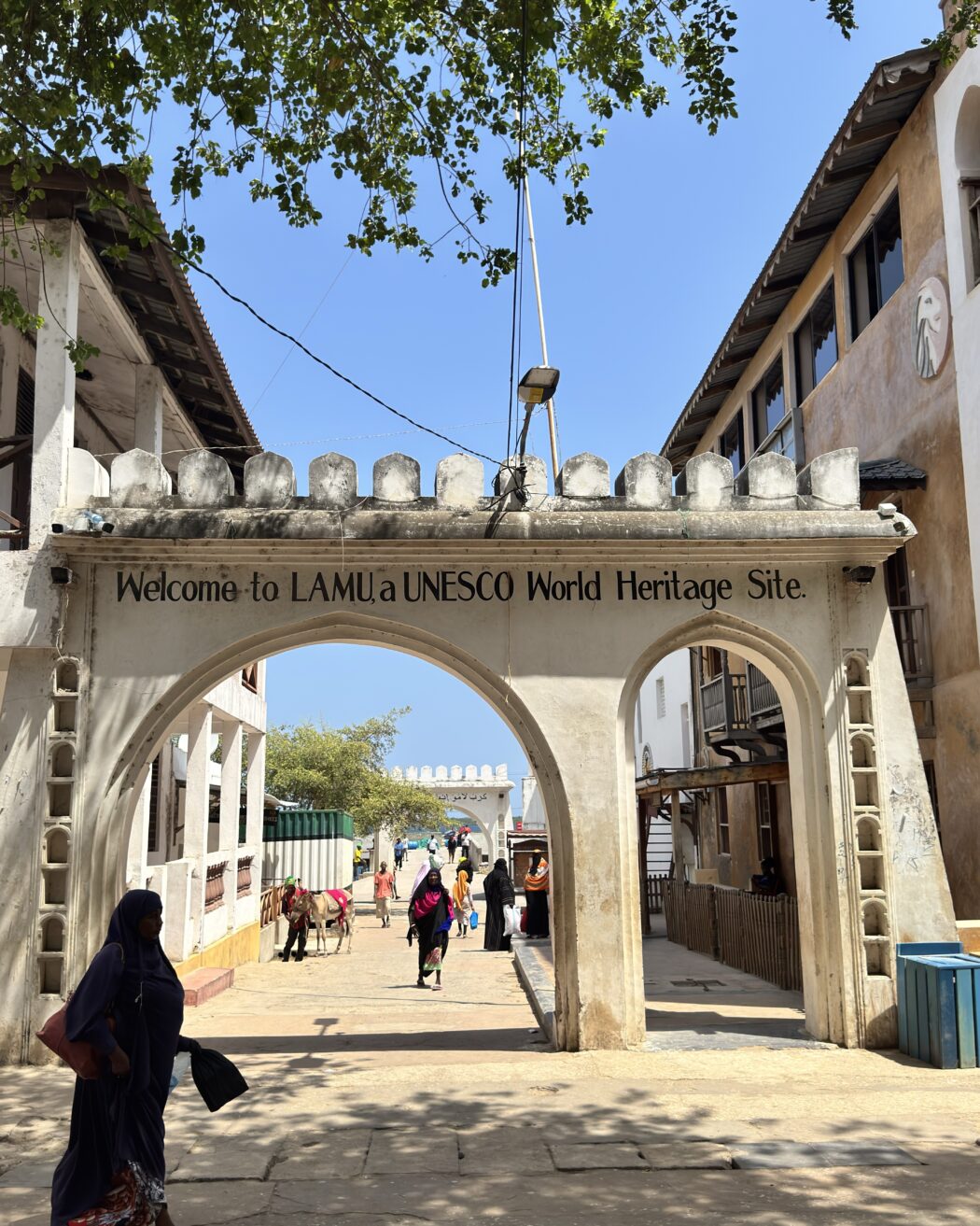
Lying off Kenya’s northern coast in the Indian Ocean, Lamu Archipelago is a cluster of islands shaped by monsoon winds, tidal rhythms and more than 700 years of Swahili civilisation. At its heart, the UNESCO World Heritage Site of Lamu Old Town is widely regarded as the oldest and best-preserved Swahili settlement in east Africa. 

A SHORT HISTORY

Established around the 14th century, Lamu Town flourished as a major Indian Ocean trading port, as trade connections from Zanzibar, Gujarat and as far as Muscat shaped the islands. Continuously inhabited ever since, it reached particular prominence under Omani influence between the 17th and 19th century and its influence can be seen in the town’s architecture, religion and culture today, in a  population that remains around 80% Islamic. 

Unlike many coastal settlements that declined or were abandoned, Lamu evolved gradually while preserving its original urban structure, making it a place with a wholly unique ambience; a living, breathing melting-pot.

LAMU’S ARCHITECTURAL LOOK

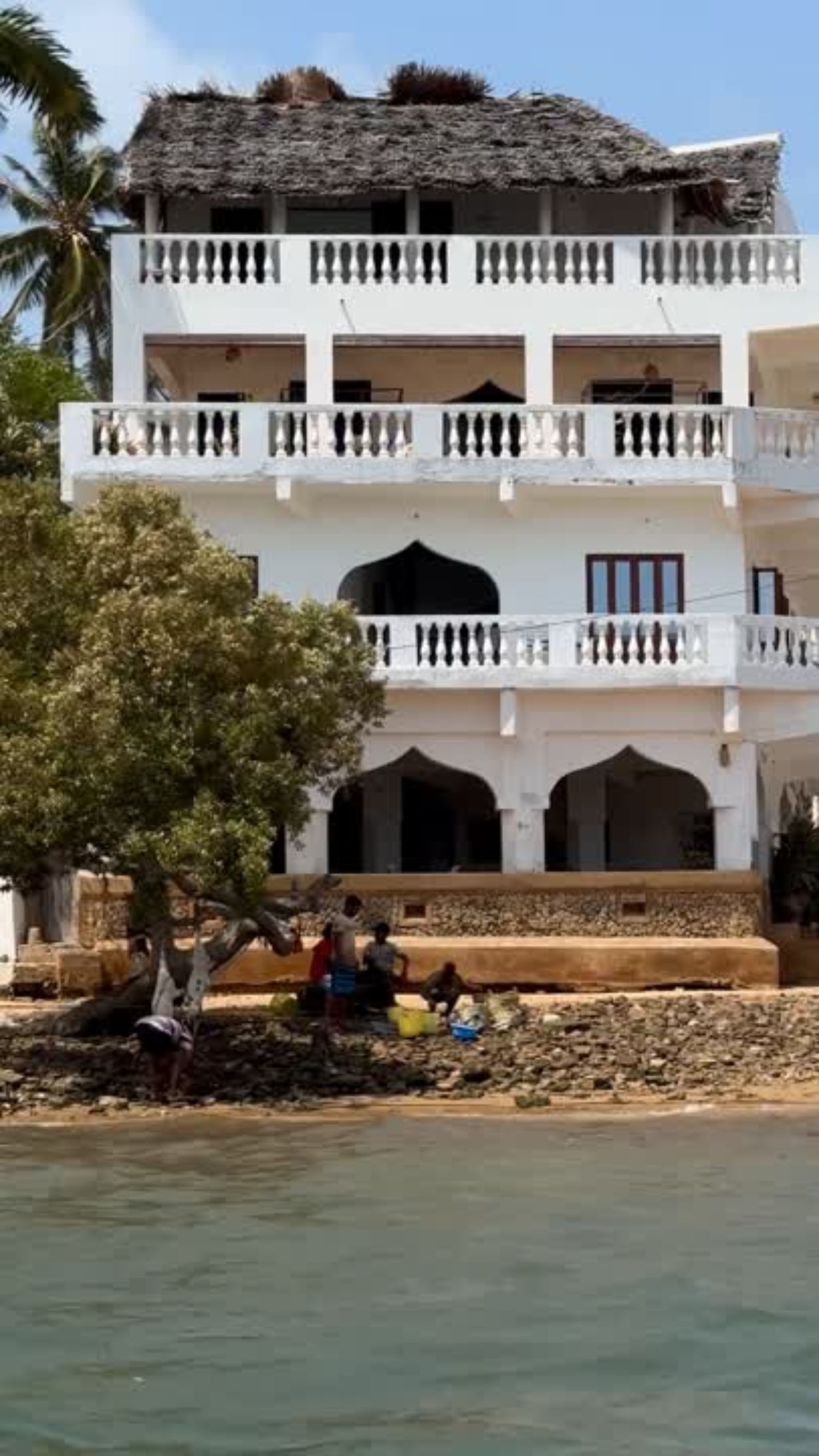
As you wander the narrow streets of Lamu Old Town, you’ll see tall buildings constructed of coral stone, with thick walls to help regulate the equatorial heat. Pass through the intricately carved Swahili doors and find private inner courtyards designed to help the flow of air – the careful management of the breeze means that many buildings have no need for air-con. You might wonder about the benches alongside the exterior walls – You might notice the raised stone

benches built into the exterior walls of many houses, known as barazas, a traditional Swahili architectural feature influenced by Islamic culture, designed as shaded social spaces where

neighbours and visitors gather while allowing the private family quarters of the home to remain separate.

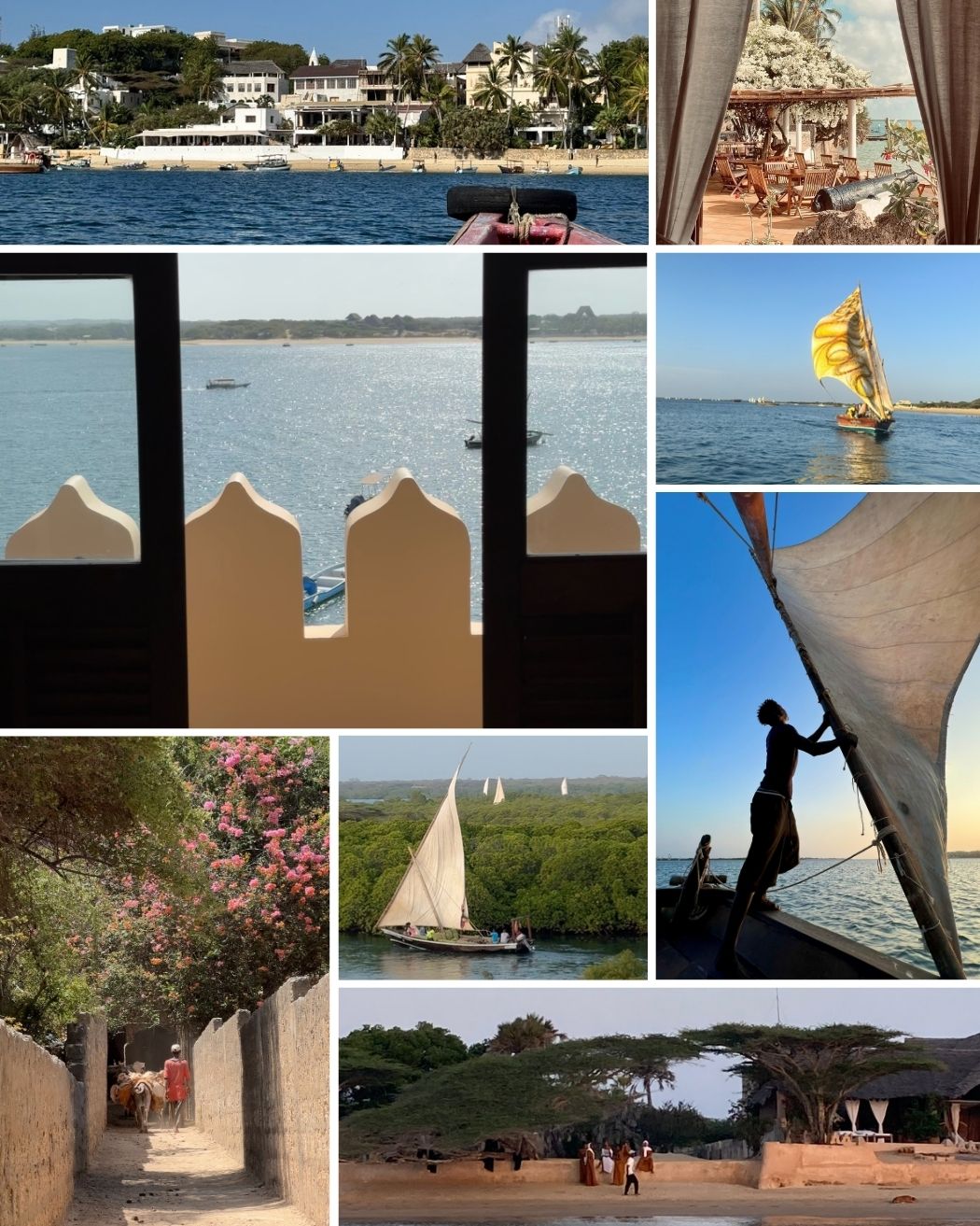
Other indicators that speak of Lamu’s blended identity include the use of teak and mango wood for doorways, carved with floral flourishes which reflect the town’s Indian influence with hints of Arabic seen in ornate calligraphy. Out to sea, a dhow drifting past with its sails billowing in the wind is one of Lamu’s most emblematic and romantic sights. Take a closer look and see bows depicted with stylised painted eyes, a recurring symbol of Lamu’s maritime identity. 

LIFE IN LAMU

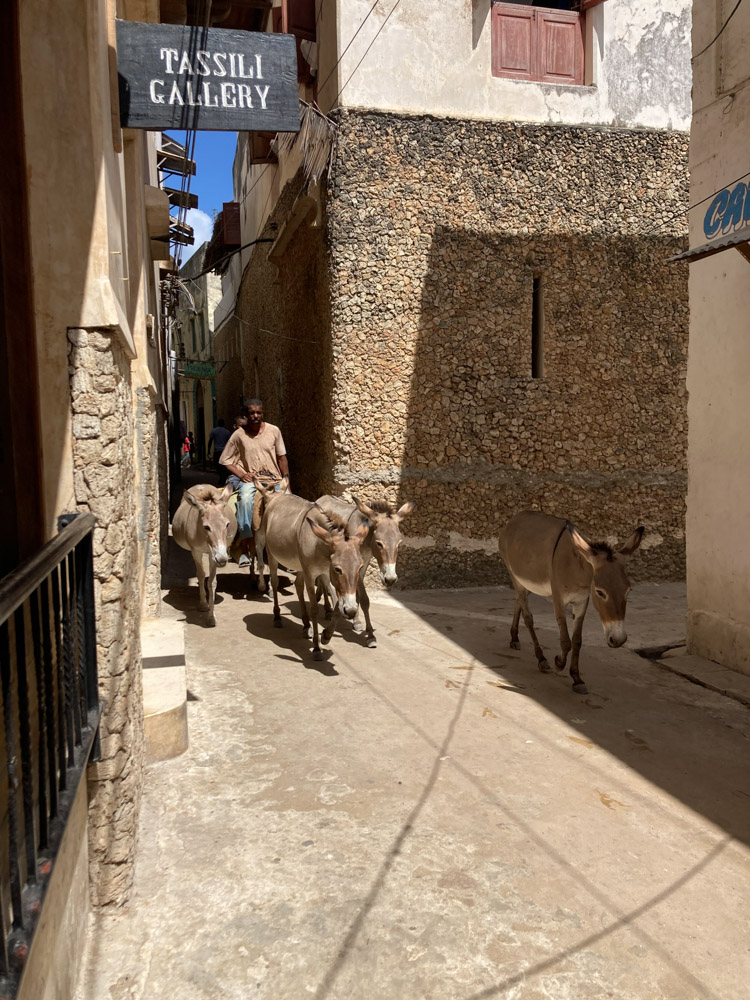
Lamu is car-free, due to the structural reality of the town’s narrow coral-stone lanes, hence movement is by foot, donkey or boat. There’s a light-hearted local proverb that states “A man without a donkey is a donkey” and it is true to say that donkeys are a way of life on the islands. 

Most residents earn their living through fishing, trade, small businesses, craftsmanship and tourism. Boat captains, fishermen, guides, tailors, shopkeepers and cooks form part of the island’s economic fabric. Lamu is sustained by daily enterprise as much as heritage.

Swirling Swahili culture

Having a guide as you walk around Lamu Town can really help to bring the culture and architecture to life. You’ll hear historical stories and local anecdotes as you explore the heritage of Lamu’s narrow streets.

Once one of the most powerful Swahili cities on Africa’s east coast, thee island of Pate has an interesting history felt through its sandy pathways edged by palm trees and the atmospheric coral stone ruins that speak of its past as a thriving stop on the Indian Ocean trade network. Unlike Lamu, Pate’s importance faded after the Battle of Shela in 1812 and the city gradually declined. Today, Pate Island can be visited by boat from Lamu and has a lost-in-time feel, deeply ingrained in Swahili culture. 

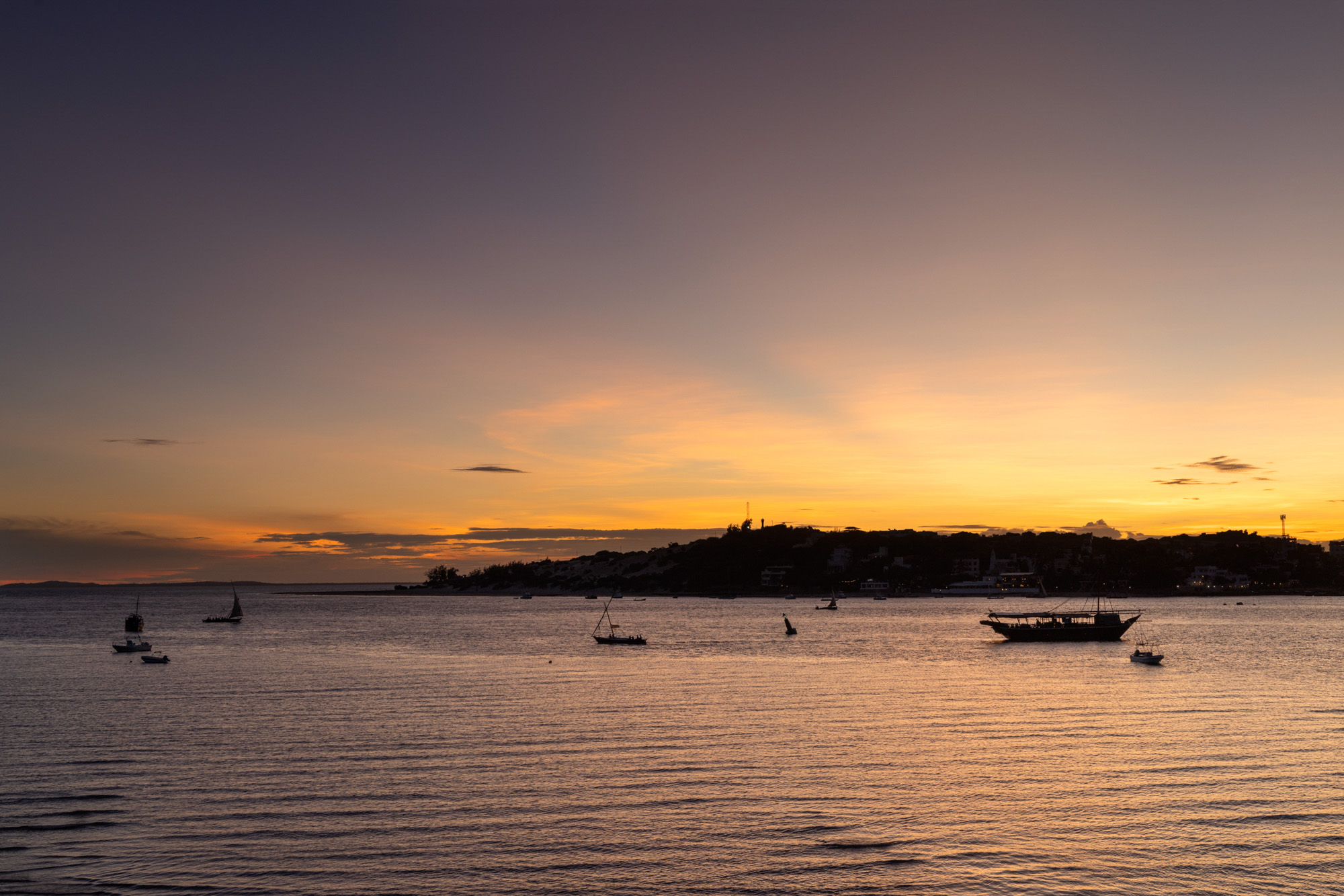
Something of a daily institution, a sunset dhow sail is an intrinsic part of Lamu’s culture. Directly from your villa, board your wooden vessel. As the sails unfurl in the warm breeze, drinks and samosas are served as the sun sets against the other dhow boats, fluttering on the Indian Ocean.

Lamu’s culinary traditions

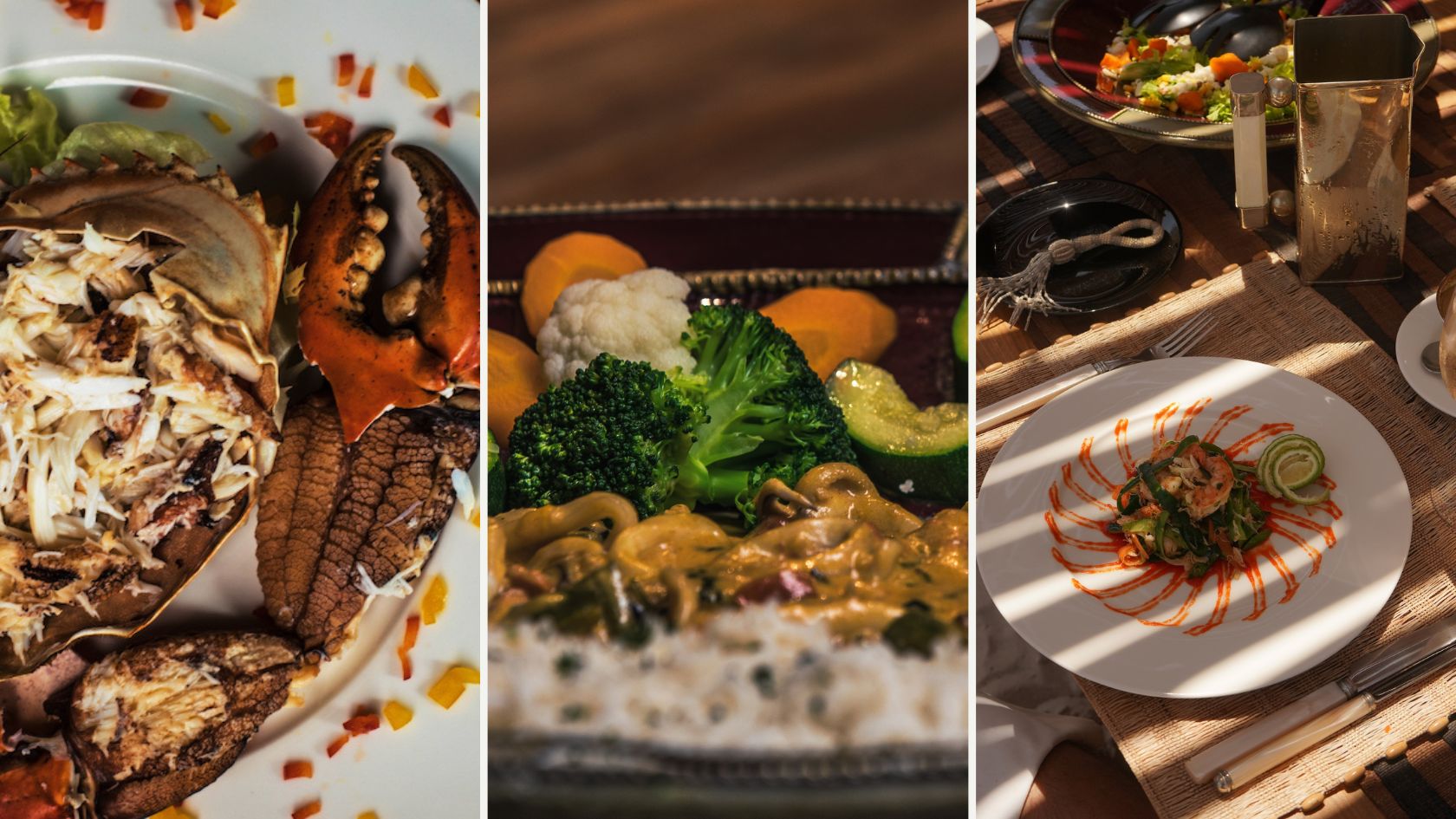
Swahili coastal cuisine reflects centuries of trade. African, Arab and Indian influences have left their mark in a hybrid gastronomy, seen in dishes created with coconut, spices and fresh seafood. 

Originally an Indian snack, samosas are an everyday part of Lamu life, found everywhere from street sellers to hotel kitchens. With fillings of either spicy fish or vegetables, we recommend this zingy savoury as the perfect accompaniment to a cool drink. 

Creamy curries are a staple, fragrant and layered with clove, cardamom and cinnamon, tempered with cooling coconut milk. Grilled fish and lobster are freshly plucked from the Indian Ocean and fresh fruit is plentiful and brimming with taste, especially the nectar-like mangoes and the huge avocados. Sundowner hour forms a core part of the island’s social rhythm. Try the classic ‘Dawa’ cocktail, made with vodka, lime and honey – the perfect drink to order after a long day in the sun. 

EXPLORE

Lamu Town

IMG_7257

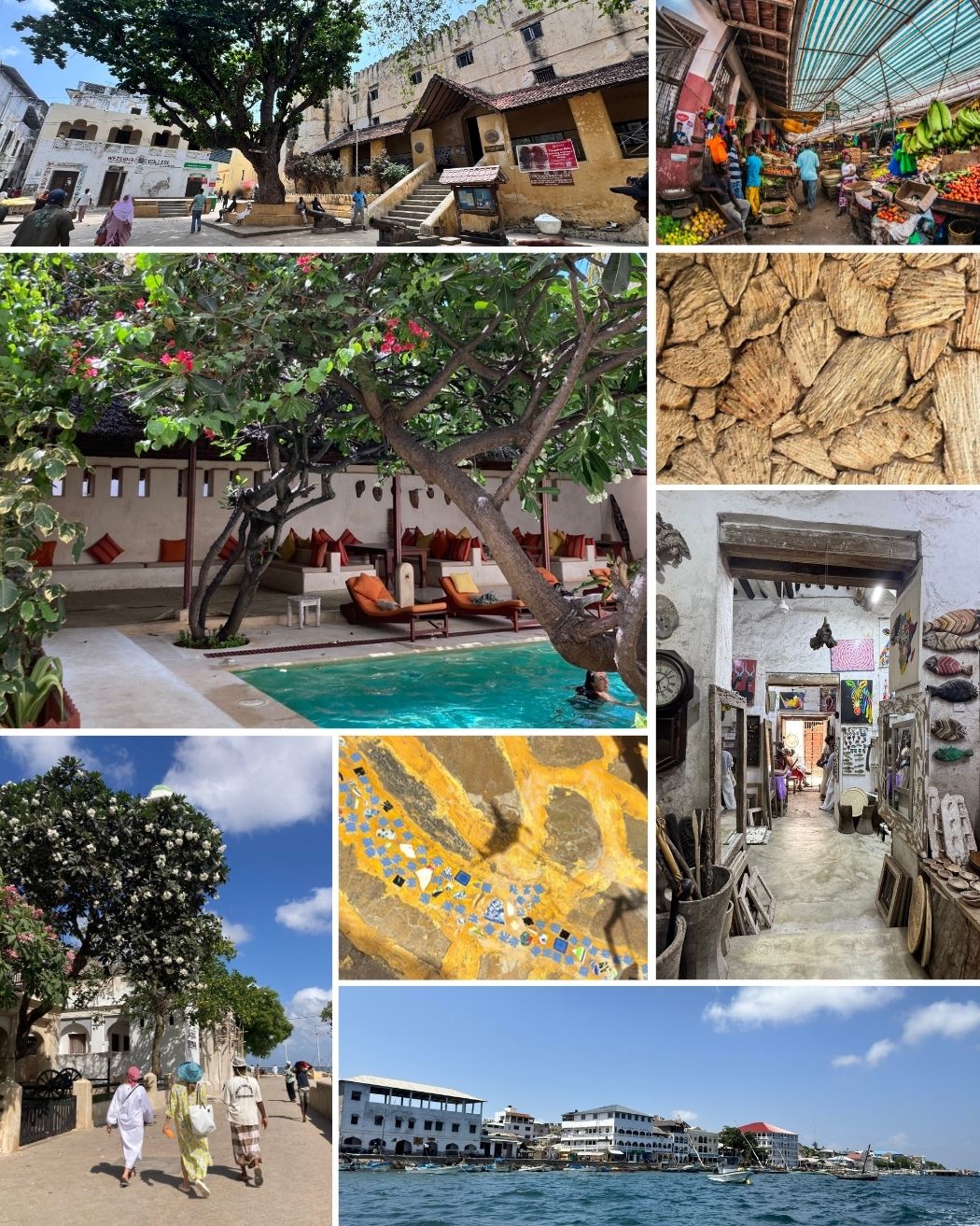
From wandering the narrow streets and admiring the architecture of the traditional Swahili houses of this UNESCO World Heritage Site, we’d recommend exploring Lamu Fort which overlooks the sea. Built  from coral stone and mango wood under 19th century Omani rule, it was a symbol of protection and control of the trade routes and today holds a library and exhibition space. 

Lamu Museum makes for an interesting morning, learning about Swahili culture and maritime heritage, helping you place the town in the context of its history.

Shela

Sitting at the southern end of Lamu Island and just short 10-minute boat ride from Lamu Town, Shela is a small settlement cradled within sand dunes and set along a long walkable beach, ideal for a low-tide morning or sunset stroll, in between the peak sunshine hours. 

Like the rest of Lamu, Shela is car-free with a slow, languid pace, attracting those that like to dial it down. We often think of Shela as more breezy and light compared to Lamu’s narrow streets, with coral-stone buildings spread along the beach and sandy lanes connecting laid-back cafes and tiny, boho boutiques.

Peponi Hotel in Shela

A family-run icon and Lamu institution since the 60s, it’s fair to say that much of Lamu’s social life revolves around Peponi. We can make reservations for dinner on the sea-facing terrace or you can pop by for sunset drinks at the legendary bar and see where the night takes you. The food, especially the seafood, is excellent and we recommend sampling the house cocktail Old Pal.

Shopping in Shela

Shela’s has plenty of interesting craft shops and boutiques, which means you’re able to pick up unique clothing or original mementos unlikely to be found elsewhere. Reflecting Lamu’s artistic spirit with a focus on eco-friendly craft, Shela’s shops offer a chance to connect with Swahili culture and support local communities via open workshops and studios. Highlights include sandals, beach bags, summer dresses, beaded jewellery and artwork, whether you’re looking for a holiday memento, inspiration for interior design or even objects to ship home.

Manda

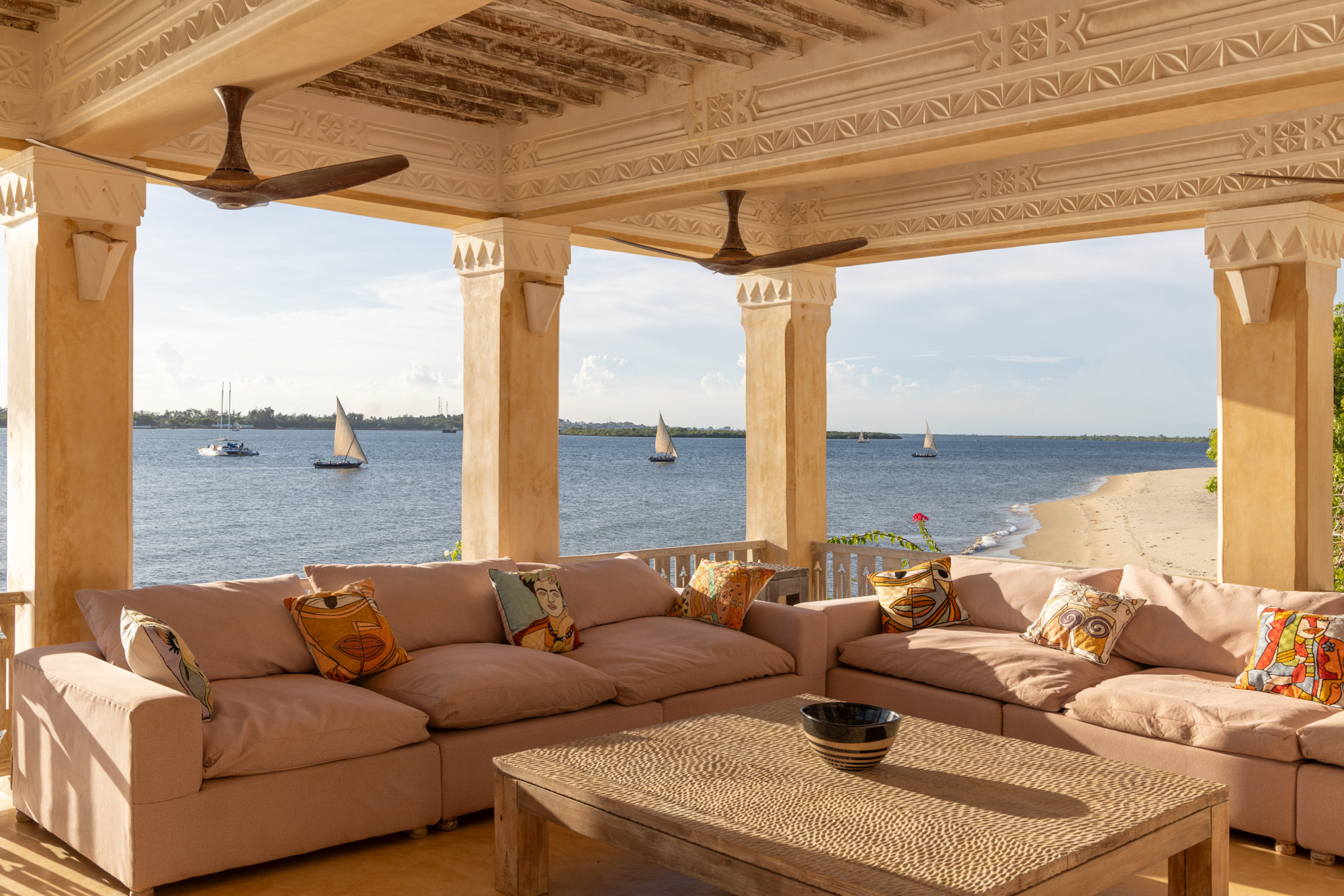
Lying just across the channel from Lamu, Manda Island may be known as the location of the airport where small charter planes land, but it’s also a destination in its own right with houses that sit alongside plenty of space. Offering wide beaches in a tidal landscape dotted with swaying coconut trees, low-lying sand dunes and mangrove-edged inlets, Manda has a quiet, peaceful pace.

Things to do around Manda

Manda is the place to tap into the rhythms of nature. Relaxed beach days and long swims with rests in the shade are easy wins, rounding off the day by watching dhows gather at sunset. 

A small islet off Manda, Manda Toto is known for its crystal-clear water and abundant marine life, making it ideal for snorkelling. We’d also recommend a visit to Takwa ruins, a 15th-century settlement and a prime example of Swahili coastal architecture and Islamic culture.

EXPLORE THE JOURNAL

DISCOVER MORE

Lamu: Swahili heritage and barefoot bohemia Set off Kenya’s northern coast, the Lamu Archipelago is shaped by centuries of Swahili civilisation and Indian Ocean trade. Discover coral-stone towns, dhow sails and a slow island rhythm where history and barefoot bohemia quietly coexist.
The taste of Greece Greek cuisine is rooted in hospitality, community and centuries of tradition. From simple taverna dishes and olive oil-rich cooking to contemporary island restaurants and a thriving wine culture, our guide explores the flavours, rituals and ingredients that shape Greece’s distinctive food scene.