Sa Calobra under the mountains, the pebbles at Cala Deià, the pines of Formentor and the 7 white kilometres of Es Trenc, one island with four entirely different coasts.
Any list of the best beaches in Mallorca has to admit at the outset that the island has no single kind of coast. The north-west is mountain: the Serra de Tramuntana drops straight into the sea, and what beaches there are tend to be pebble, deep, dramatic and awkward to park at. The north opens into two great bays of shallow golden sand, built for children and long afternoons. The east and south-east are limestone, cut into dozens of small pine-fringed calas, and the south flattens out into the longest stretch of undeveloped white sand in the Balearics. You can drive between two of these in under an hour, which is the real luxury of the island.
A hire car is essential, but so is a little planning. Several of the most photographed coves now limit access in summer, with small car parks that fill by nine, roads closed once they do, and shuttle buses instead; a couple of the best are reached only on foot or by boat. Take cash for the parking, go early or go late, and treat the middle of the day as time for lunch rather than for finding a space. Our Mallorca guide covers Palma, the mountain villages and the table. What follows works round the coast, starting where the mountains meet the water.
SA CALOBRA, WHERE THE MOUNTAINS REACH THE SEA
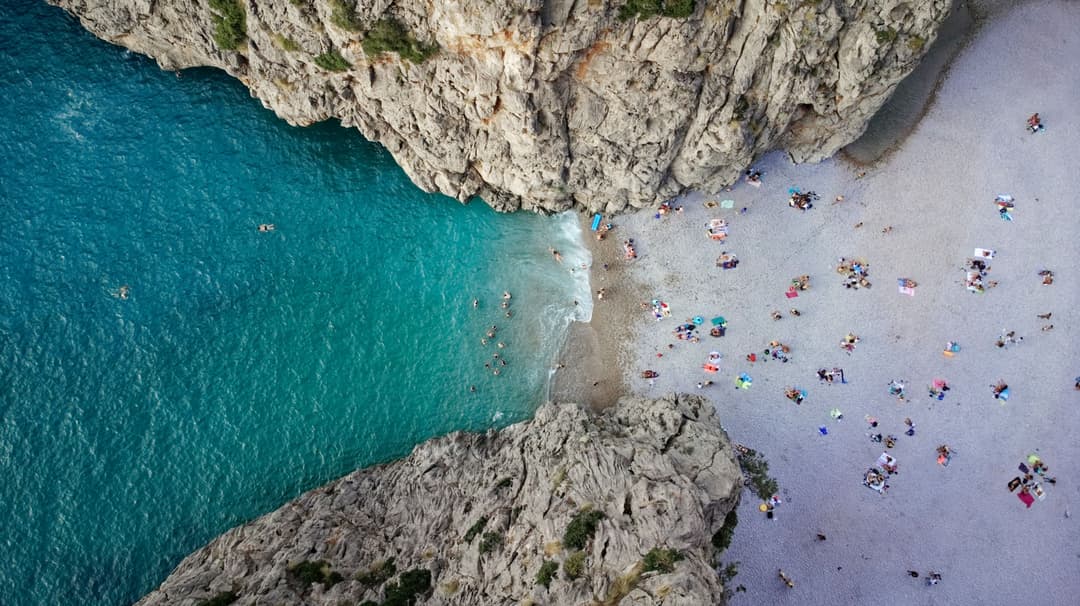
Nowhere on the island is more theatrical. Sa Calobra sits at the bottom of a 12 kilometre descent of hairpins off the Ma-10, a road that loops back over itself at one point and takes real concentration in both directions. From the car park a walkway tunnelled through the cliff leads to the mouth of the Torrent de Pareis, a strip of round grey pebbles perhaps 100 metres long, wedged between vertical walls of limestone where the gorge meets the sea. The swimming is deep, cold and wonderful. There is no sand, no shade after mid-afternoon and no comfort of any kind, though there are restaurants back by the car park. The gentler approach is the boat from Port de Sóller, which spares you the road and gives the better view.
CALA DEIÀ, PEBBLES AND A LUNCH BOOKING
Below the village of Deià, a steep lane drops through olive terraces to Cala Deià, a small cove of pebbles and boulders where the water goes deep and clear within a few strokes. It is not a beach for sunbeds or for toddlers; it is a beach for swimmers, for jumping off rock and for the long lunch that follows. Ca's Patró March, built onto the rocks on the northern side, grills fish and serves it at wooden tables above the water, and a booking there is worth having for more than the food: when the small car park fills the council closes the access road, and restaurant guests are among the few allowed down. Otherwise walk in from the village, which takes about half an hour downhill and rather longer back.
FORMENTOR, PINE SHADE ON THE NORTHERN CAPE
At the island's northern tip, the long beach at Formentor curves along the sheltered side of the peninsula with Aleppo pines coming almost to the waterline, which makes it one of the few places on Mallorca where you can find natural shade at noon. The sand is fine and pale, the water shallow and calm, and the view back across the bay to the mountains is the reason people keep photographing it. There are sunbeds, a couple of places to eat and a large paid car park that is full by mid-morning in August, when the cape road is also restricted to private cars for much of the day. The nicest arrival is the small ferry from Port de Pollença, which takes about 20 minutes.
PLAYA DE MURO, SHALLOW WATER AND DUNES
On the southern shore of the bay of Alcúdia, Playa de Muro runs for several kilometres of fine golden sand backed by low dunes and the pinewoods and wetland of s'Albufera. This is the island's great family beach: the water stays shin-deep for a very long way out, the shelf is even, and the whole stretch is properly serviced with sunbeds, showers, lifeguards and beach bars without ever feeling built over, since the protected land behind it cannot be developed. It is 15 minutes from Alcúdia old town and about an hour from Palma. Go to the northern end for the quietest sand and the best of the dunes, and stay for the light at the end of the afternoon, when the mountains across the bay turn violet.
Stay With Us
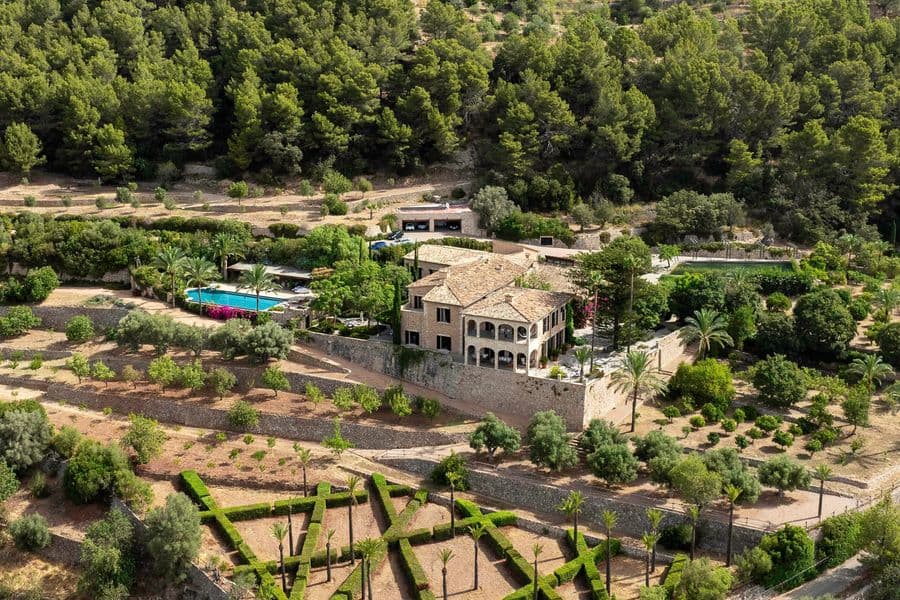
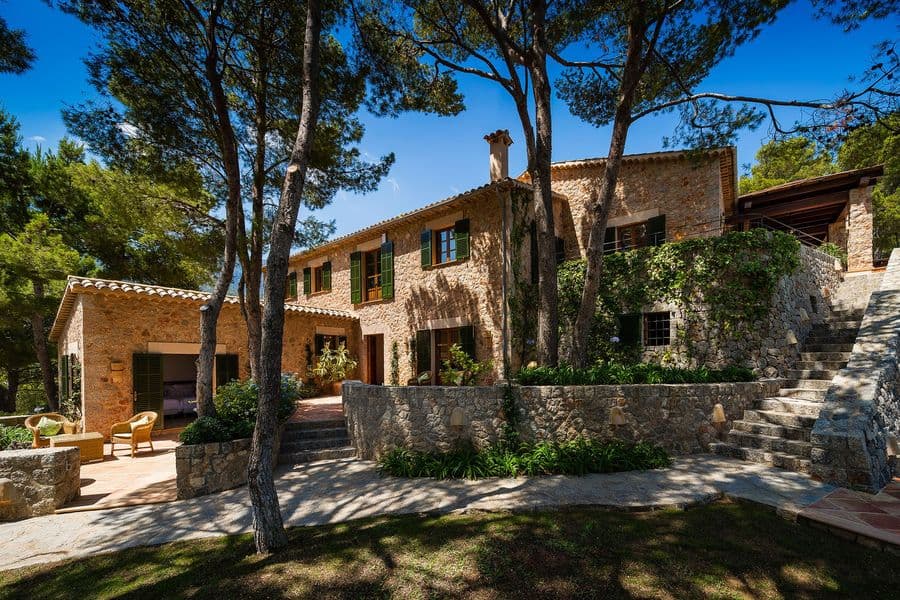
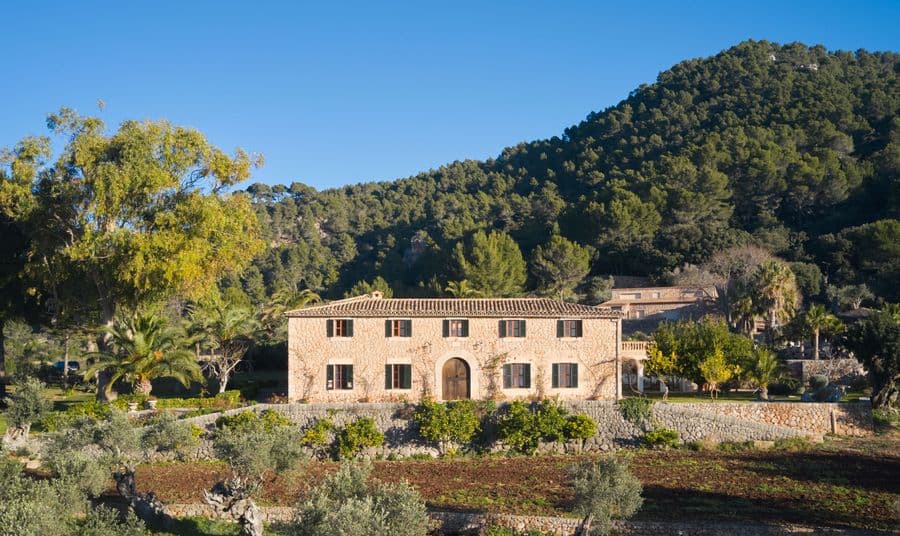
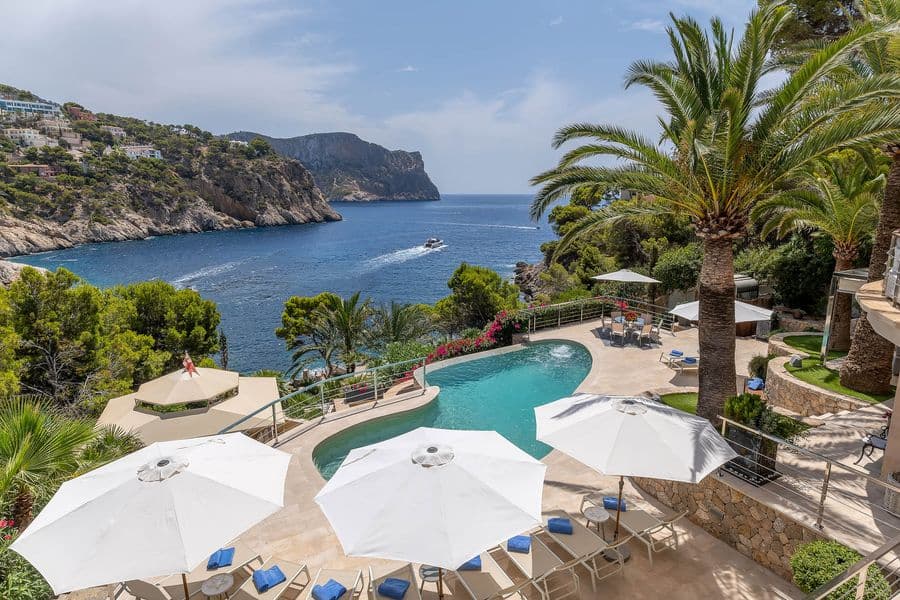
Villas in Mallorca
CALA AGULLA, GOLDEN SAND IN THE PINES
In the north-east, a short drive from Cala Rajada, Cala Agulla is the rare Mallorcan beach that is both large and largely undeveloped. Around 500 metres of coarse golden sand sit inside a protected area of pine and low dune, with headlands at either end and nothing behind the beach but trees. The water is clean and clear, deepening steadily rather than suddenly, and there is enough space that even in high summer you can walk to the far end and find room. Facilities are modest and seasonal: a kiosk, sunbeds, a lifeguard. Park in the paid car park behind the pines and walk in for 5 or 10 minutes through the trees, which is much of the pleasure of arriving.
CALA MONDRAGÓ, TWO COVES IN A NATURAL PARK
Protected as a natural park since 1992, Cala Mondragó is really a pair of soft sandy coves separated by a low pine headland: Mondragó itself and, a few minutes' walk south, the slightly larger Cala s'Amarador. Both have pale sand, shallow turquoise water and rock at the edges for snorkelling, and both are backed by pine rather than concrete, which is exactly why the park exists. Marked paths run between them and on around the headlands, so the two can easily be combined with a walk. Facilities are deliberately modest, and there is paid parking a short distance behind each cove. It is around 15 minutes from Santanyí and roughly an hour from Palma.
CALÓ DES MORO, THE SMALL AND THE STEEP
The most photographed cove on the island is also one of the smallest: a slot of white sand at the foot of high cliffs, with water of a colour that looks unreasonable in pictures and turns out to be accurate. Caló des Moro is reached from a roadside car park near Santanyí by a rough path and a scramble down worn rock, perhaps 10 minutes, awkward in flip-flops and not suitable for anyone unsteady. There are no facilities whatsoever, no shade after mid-morning and room for a small fraction of the people who want to be there, and access is now restricted in the summer months. Come at eight in the morning or an hour before sunset, or take the neighbouring cove at Cala Llombards instead and be perfectly happy.
ES TRENC, THE LONG WHITE ONE
Nothing else on Mallorca looks quite like Es Trenc. Close to 7 kilometres of bleached, crushed-shell sand run between Ses Covetes and Colònia de Sant Jordi, backed by dunes, the salt pans of Ses Salines and low pine, with an absolute building ban behind the beach that has kept the whole sweep free of concrete. The water is shallow and pale for a long way out and turns properly Caribbean in flat weather. Facilities amount to a handful of chiringuitos and several paid car parks behind the dunes, from which it is a walk of 5 or 10 minutes through the marram grass. The central section has long been clothing-optional. Go on a windless day, and take an umbrella, because shade is in very short supply.
GETTING AROUND THE COAST
Distances are modest and the driving is good, but the parking is the whole game. In July and August the car parks at the famous coves are full by nine in the morning and closed thereafter, so plan an early start or a late one, and keep a plan B in the next cove along. The north-west needs the most patience and gives the most drama; the north bays are the easy option with children; the south-east coves reward anyone prepared to walk 10 minutes; and the south has the space when everywhere else is busy. A boat changes the calculation entirely, since almost every cove is easier to reach from the water than from the road, and a day's skippered charter out of Port de Sóller or Port de Pollença will get you to three or four in an afternoon. For a quieter, smaller version of the same limestone and pine, the calas of Menorca are an hour away by air.
MALLORCA WITH VILLA COLLECTIVE
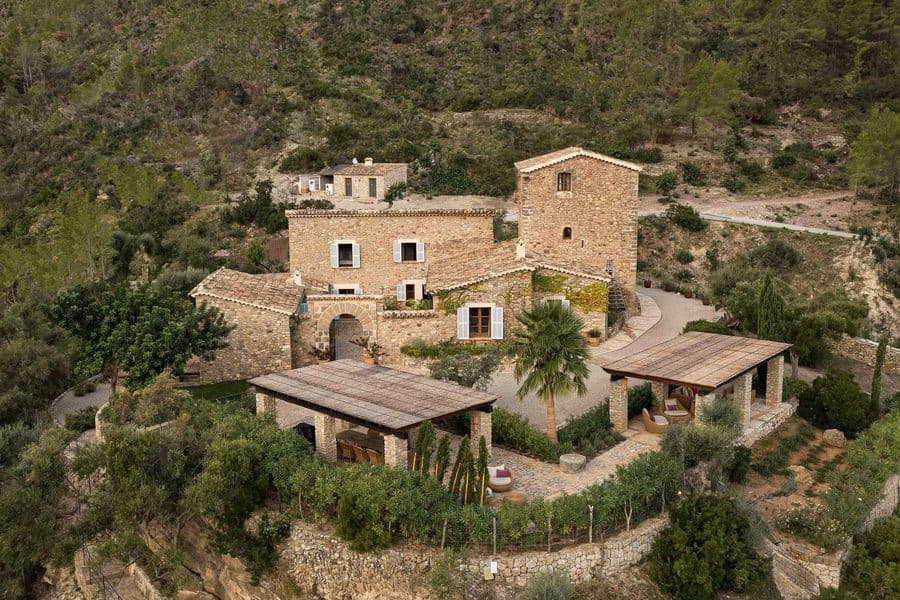
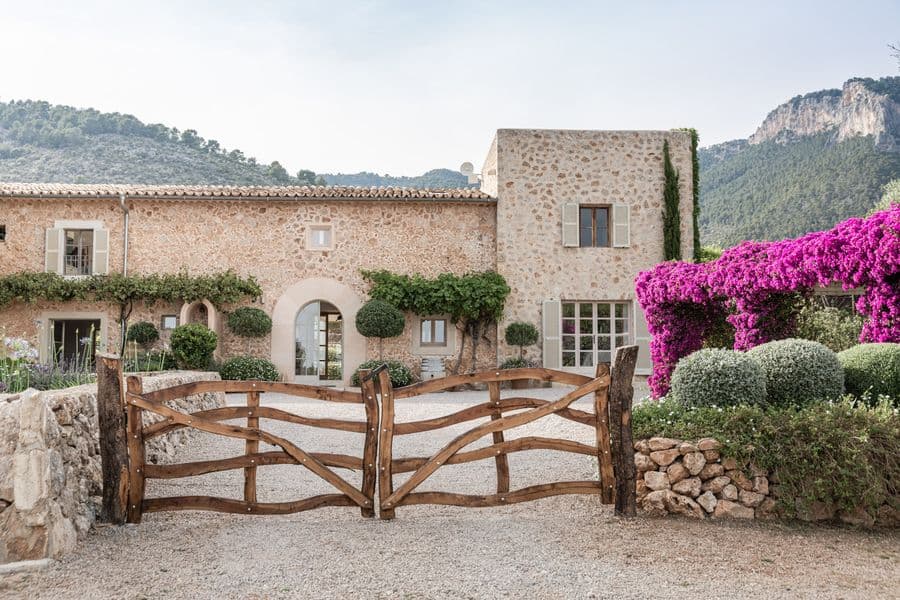
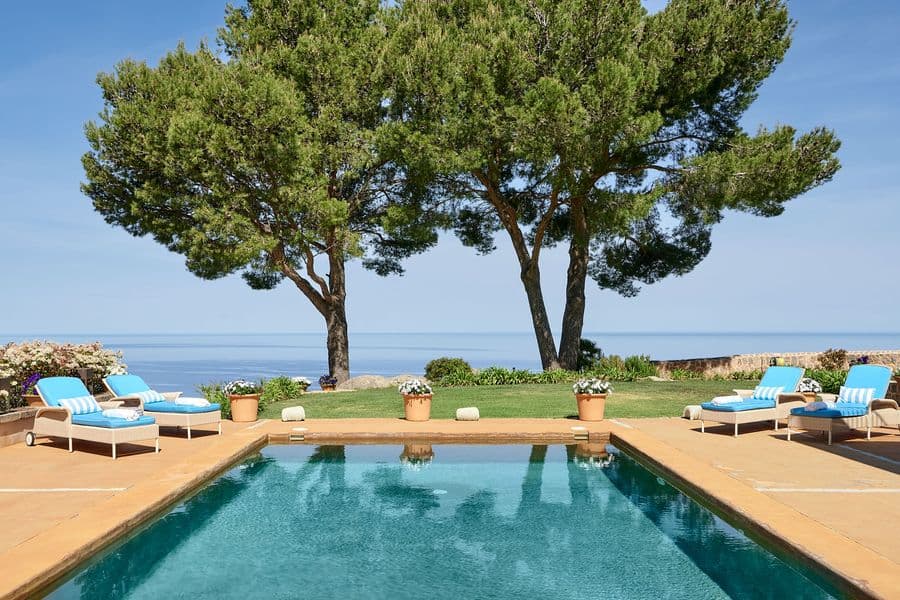
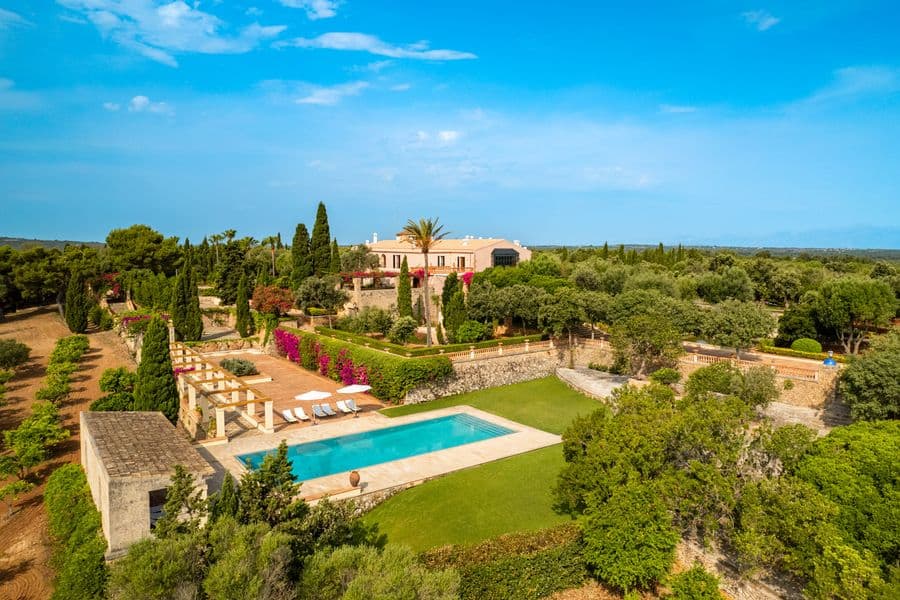
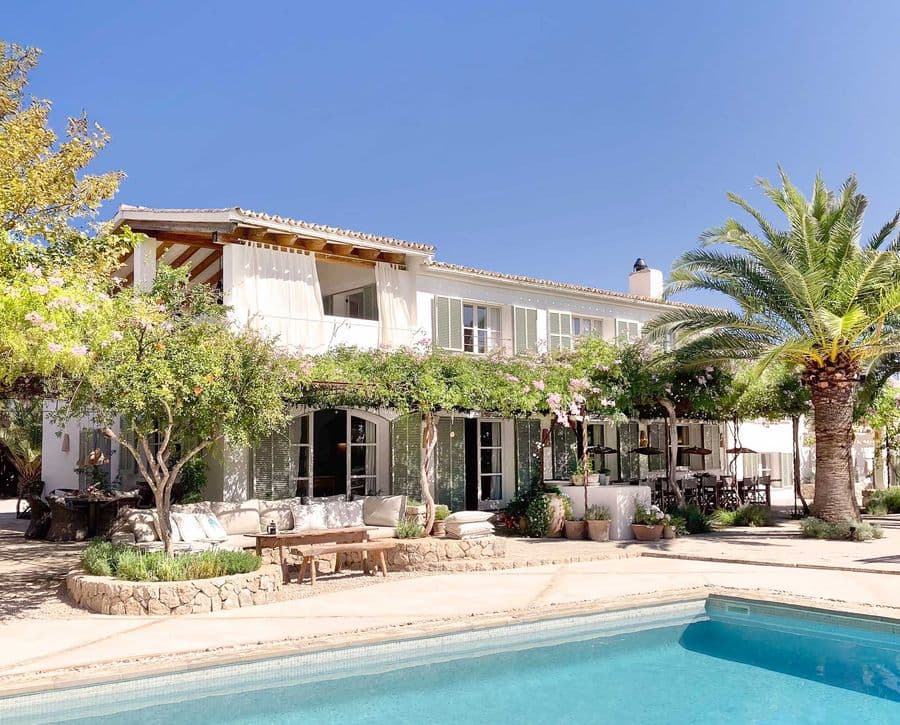
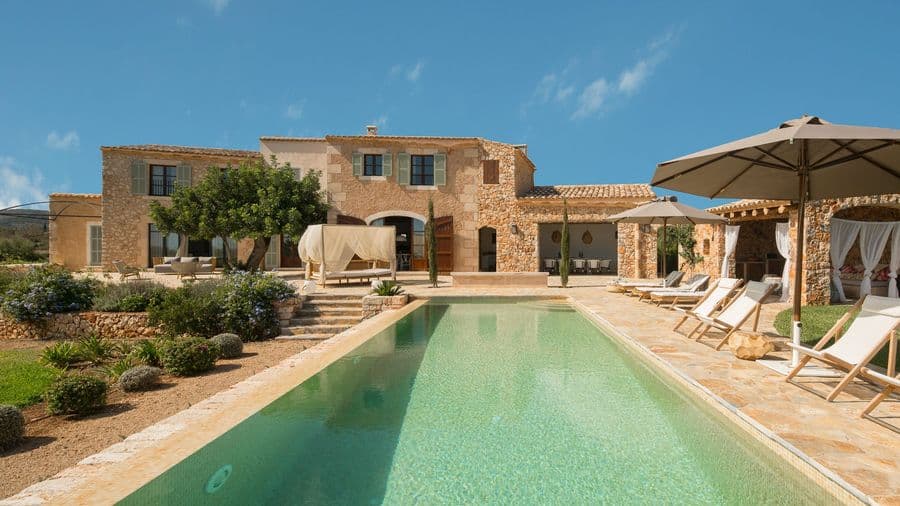
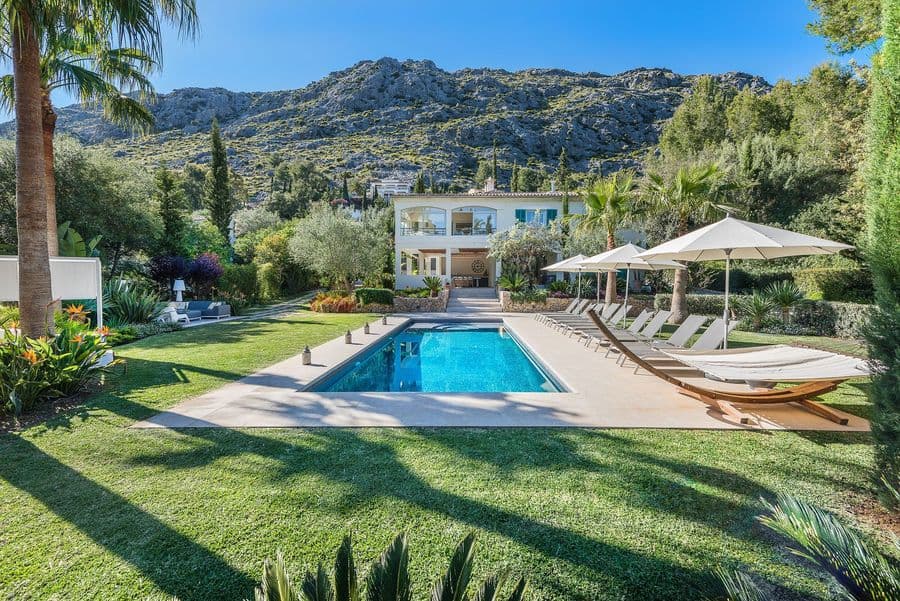
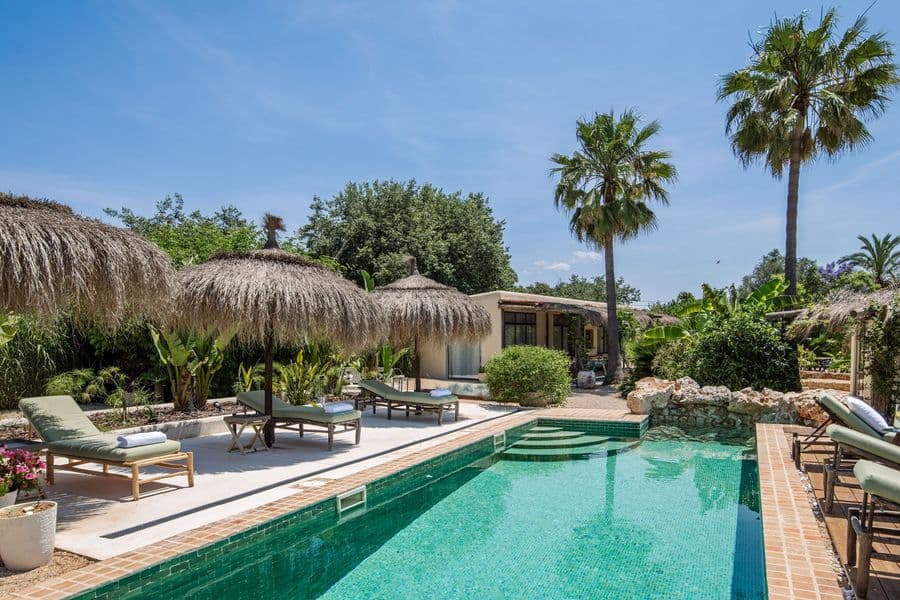
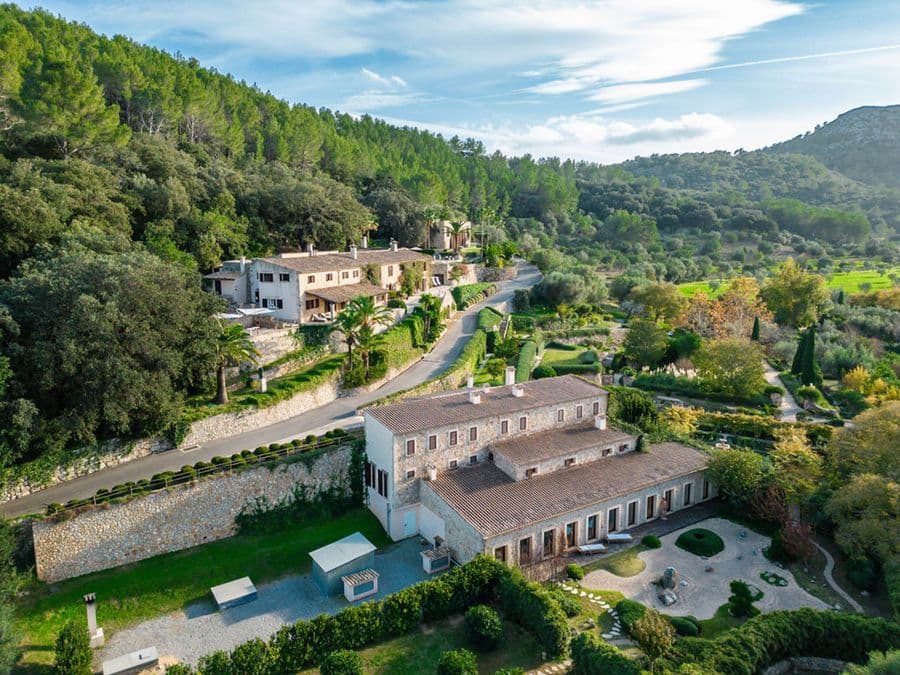
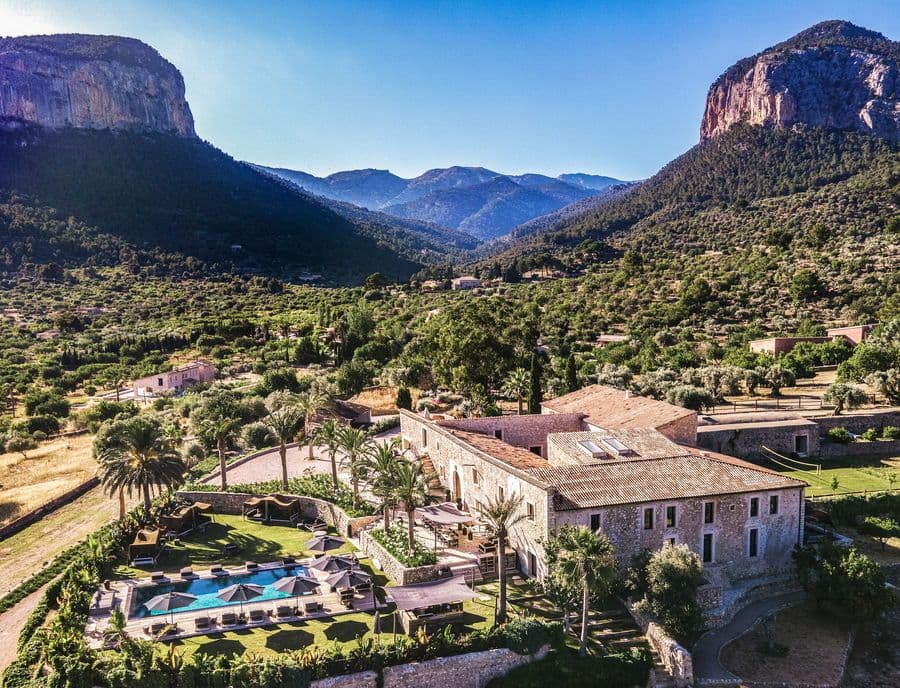
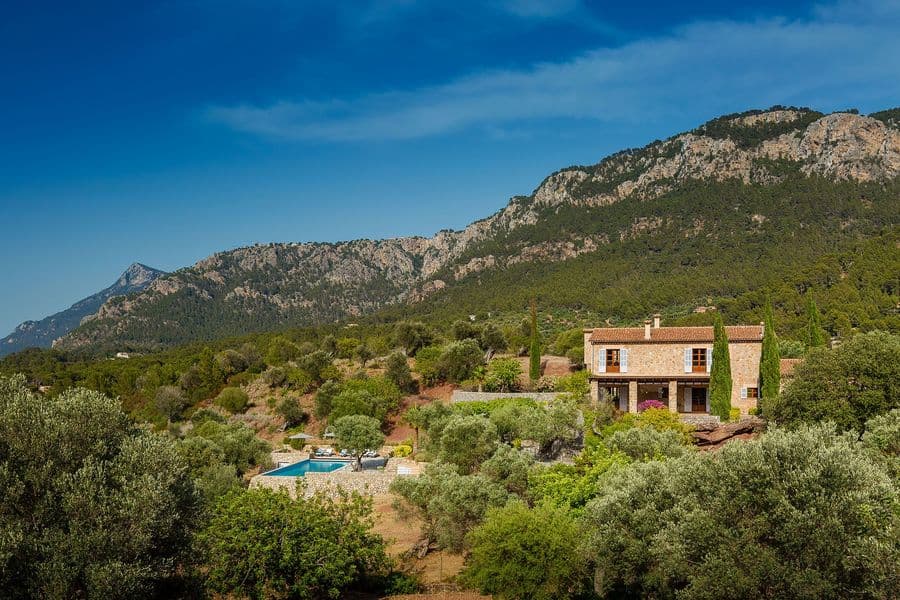
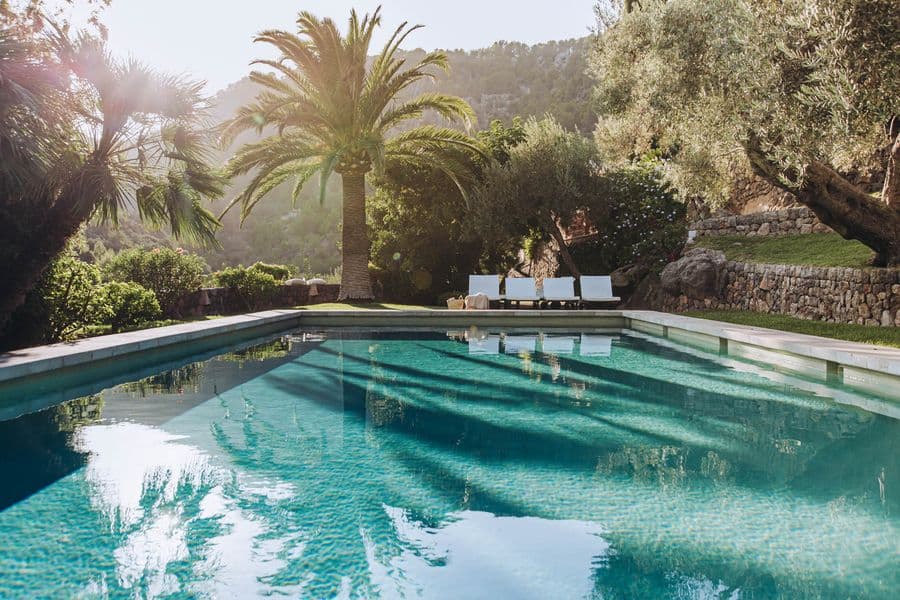
Choosing a house here is really choosing a coast, and we have them across the range: high in the Tramuntana with a mountain road down to a pebble cove, among the citrus behind the northern bays, or above the southern calas with a path through the pines to the water. Each comes with a Villa Collective team who know which beach is worth the drive on the day, and who can hold a table at Ca's Patró March, send a skippered boat out along the Formentor coast, or simply have the cool box packed and in the car before you are awake. Begin with our Mallorca collection, or look at the wider portfolio across Spain.